Mike Lynn is ‘Simply One of the Best Trial Lawyers’ – Updated

[fusion_builder_container hundred_percent=”yes” overflow=”visible”][fusion_builder_row][fusion_builder_column type=”1_4″ last=”no” spacing=”yes” center_content=”no” hide_on_mobile=”no” background_color=”” background_image=”” background_repeat=”no-repeat” background_position=”left top” hover_type=”none” link=”” border_position=”all” border_size=”0px” border_color=”” border_style=”” padding=”” margin_top=”” margin_bottom=”” animation_type=”” animation_direction=”” animation_speed=”0.1″ animation_offset=”” class=”” id=””][fusion_imageframe lightbox=”no” lightbox_image=”” style_type=”none” hover_type=”none” bordercolor=”” bordersize=”0px” borderradius=”0″ stylecolor=”” align=”none” link=”” linktarget=”_self” animation_type=”0″ animation_direction=”down” animation_speed=”0.1″ animation_offset=”” hide_on_mobile=”no” class=”” id=””] [/fusion_imageframe][/fusion_builder_column][fusion_builder_column type=”3_4″ last=”yes” spacing=”yes” center_content=”no” hide_on_mobile=”no” background_color=”” background_image=”” background_repeat=”no-repeat” background_position=”left top” hover_type=”none” link=”” border_position=”all” border_size=”0px” border_color=”” border_style=”” padding=”” margin_top=”” margin_bottom=”” animation_type=”” animation_direction=”” animation_speed=”0.1″ animation_offset=”” class=”” id=””][fusion_text]By Patricia Baldwin
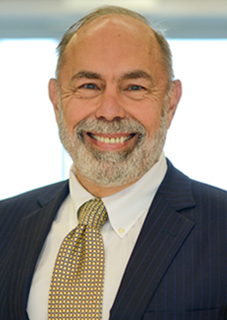
(Dec. 22) – When Mike Lynn turned 40, he seemingly had everything going his way. He was a partner in the litigation section at Akin Gump, a prestigious law firm that was home to Robert Strauss, Vernon Jordan, Jack Hauer and Alan Feld.

Despite the success, Lynn told his mentor, Jim Coleman, that he wanted to be in court more often and that he was growing tired of Big Law. Coleman suggested he quit and start his own law firm.

“That’s a bit drastic, don’t you think?” Lynn responded.

Even so, he decided to take the enormous risk. More than two and a half decades later, Lynn has one of the most successful litigation boutiques in Texas. The firm has nearly 30 lawyers and has been hired by some of the largest corporations on earth to handle their trial work, including ExxonMobil, Alcatel, Visa and Southwest Airlines.

During the past two years, Lynn and his team scored a $536 million courtroom victory for pipeline giant Energy Transfer Partners and a $146 million win in West Texas for legendary oilman T. Boone Pickens. In between those two trials, he hiked the Appalachian Trail.

“Not bad for a 66-year-old,” he says introspectively.

Lynn said he learned by example to “think out of the box.” His late mother, once Arlington’s mayor pro tem, helped integrate schools and parks. His father, a prolific inventor at Bell Helicopter, is credited with the research and engineering for the world’s fastest helicopter.

Colleagues, however, contend the Lynn Pinker Cox Hurst founder is a fierce competitor who doesn’t even see the box.

The truth is, the SMU Dedman School of Law graduate’s entire career reflects creative risk-taking. It started 45 years ago at the University of Virginia when he met Barbara Golden, who is better known today in the legal profession as U.S. District Court Chief Judge Barbara Lynn.

He was a junior and she was a freshman. In fact, she was in the first freshman class of women admitted to the historic college and she wanted to join the Jefferson Literary and Debate Society, a 190-year-old organization that is considered one of the oldest and most prestigious clubs at the University of Virginia.

Woodrow Wilson and Edgar Allan Poe were members. No women had ever been.

When Golden applied, Jeff Society leaders – led by southern conservative male leaders – rejected her petition. But Lynn had a plan.

“One weekend in February, when the anti-women cabal had left for New Orleans to celebrate Mardi Gras and I knew I had the votes with them gone, I called for a vote [of the remaining members] to change the bylaws to admit women,” says Lynn, who was the vice president of the Jeff Society at the time.

Golden was elected as a member by a single vote, according to UVA officials.

“That no doubt cemented our relationship,” Lynn says. “There’s a plaque on the wall at UVA celebrating Barb as the Jeff Society’s first woman member. No mention of me, though. I guess it got me married, so that is reward enough.”

Those who have known the Lynns for decades say they are a force to behold.

“Barb and Mike are two of the smartest, most talented and ambitious lawyers I have ever met,” says Patrick Higginbotham, a judge on the U.S. Court of Appeals for the Fifth Circuit, who has known the couple since they were in law school together at Southern Methodist University in 1974.

“I don’t think there’s any doubt that Barbara is one of the five best federal judges in the country and should be on the president’s short list for the Fifth Circuit or the Supreme Court,” Judge Higginbotham says. “And Mike is simply one of the best trial lawyers in the country.”

After law school, Lynn became an associate at Akin Gump. After three years on the job, he grew frustrated that he wasn’t trying more cases in court. Akin Gump partner Jack Hauer advised him to leave the firm to join the Dallas County District Attorneys Office, where he would get more trial experience.

Henry Wade, however, refused to hire Lynn because he had no trial experience.

“When I told Jack that Mr. Wade refused to hire me, he ordered me to go sit outside Mr. Wade’s office until he hired me,” Lynn says. “I reported to Mr. Wade’s office every day at 8 a.m. and sat there until 5 p.m. for two weeks.”

Finally, one of Wade’s assistants, Doug Mulder, “took pity” on Lynn and hired him to prosecute cases. The experience was invaluable, as Mike Lynn tried more than 50 cases to a verdict. He has now handled more than 100 jury trials.

Lynn returned to Akin Gump, where he was elected partner in 1982. The very next year, Barbara Lynn made partner at Carrington Coleman.

Then came the conversation Lynn had with Jim Coleman in 1993, leading Lynn to leave the security and comfort of the high-powered and extremely influential national law firm to start his own small litigation-focused law firm.

“A lot of people said I was crazy,” he says. “It was certainly a scary decision to go out on my own.”

Lynn says that he’s “never been particularly worried about failing.

“I tell young lawyers I don’t like working with them until they’ve lost several cases,” he says. “That’s the only way you learn.”

Still, Lynn’s “W” column is lengthy.

In 1998, Visa International hired Lynn when an Internet credit card processing company charged that a Visa executive had anonymously posted hundreds of critical messages on Yahoo’s investment website. The firm sought $800 million in actual damages and $1 billion in punitive damages.

Lynn’s defense was “So what?” The jury agreed that the postings had no material impact on the market.

In 2000, his representation of Alcatel “helped rebuild the Dallas courtroom” with multi-media support for defending what some say was the largest trade secret settlement agreement ever reached in a Dallas County court case.

Lynn is currently representing Chilean-based Inppamet in a $60 million international business dispute against RSR Corporation, a Dallas-based lead smelter. The case became newsworthy when Lynn accused his opposing counsel, Bickel & Brewer, of improperly hiring a former executive of Inppamet in an effort to gain insider, privileged information. The case is still pending.

“Mike is fierce and unpredictable,” says Jeff Tillotson, a former long-time law partner of Lynn. “Mike loves to find the weakness in the other side’s case and then exploit that weakness completely.

“Despite his toughness and aggressiveness in court, Mike is the most loyal and kind-hearted man I know,” says Tillotson. “He’s an extraordinarily gentle and sentimental father and he treats everyone who works at the firm as if he is personally responsible for them.”

In 2014, Lynn scored one of the largest judgment in a complex commercial dispute when he convinced a North Texas jury that his client, Energy Transfer Partners, had been victimized by competitor Enterprise Partners for improperly cutting them out of a business partnership.

During a month-long trial, Lynn convinced the jury to rule that there is a business version of common law marriage. The result: a $535 million decision. The case is on appeal.

In 2015, Lynn fulfilled a 40-year dream by hiking for three months on the challenging Appalachian Trail. The adventure was his way of “pushing back against getting old.” Because of his two knee replacements, he adopted the trail name of “Tin Man.”

He recorded his “transformational” adventure in a blog for his family and was surprised when views surpassed 15,000. In a final posting, he wrote about his lessons, which could have been penned by his namesake Tin Man in “The Wizard of Oz

“I learned again that giving up was mental and when you have to climb,

you inevitably climb and finish the journey,” he says.[/fusion_text][/fusion_builder_column][/fusion_builder_row][/fusion_builder_container]
Dick DeGuerin: ‘Every Case is a Big Case to the Client’

[fusion_builder_container hundred_percent=”yes” overflow=”visible”][fusion_builder_row][fusion_builder_column type=”1_4″ last=”no” spacing=”yes” center_content=”no” hide_on_mobile=”no” background_color=”” background_image=”” background_repeat=”no-repeat” background_position=”left top” border_position=”all” border_size=”0px” border_color=”” border_style=”” padding=”” margin_top=”” margin_bottom=”” animation_type=”” animation_direction=”” animation_speed=”0.1″ class=”” id=””][fusion_imageframe lightbox=”no” lightbox_image=”” style_type=”none” hover_type=”none” bordercolor=”” bordersize=”0px” borderradius=”0″ stylecolor=”” align=”none” link=”” linktarget=”_self” animation_type=”0″ animation_direction=”down” animation_speed=”0.1″ hide_on_mobile=”no” class=”” id=””] [/fusion_imageframe][/fusion_builder_column][fusion_builder_column type=”3_4″ last=”yes” spacing=”yes” center_content=”no” hide_on_mobile=”no” background_color=”” background_image=”” background_repeat=”no-repeat” background_position=”left top” border_position=”all” border_size=”0px” border_color=”” border_style=”” padding=”” margin_top=”” margin_bottom=”” animation_type=”” animation_direction=”” animation_speed=”0.1″ class=”” id=””][fusion_text]By Janet Elliott
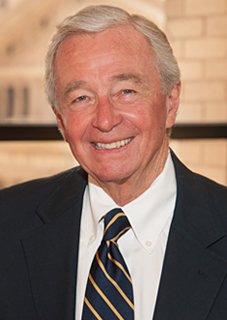
(Oct. 30) – As one of Texas’ top criminal defense lawyers, Houston’s Dick DeGuerin has defended the high and mighty as well as the low and friendless.

He has successfully represented elected officials accused of violating Texas ethics laws, a multimillionaire who admitted dismembering his neighbor and an impoverished, abused woman who tossed six of her children in Buffalo Bayou.

“Through the years you have to remember that every case is big to the client,” DeGuerin says. “Some have more notoriety and attention than others but all of them are important to the client.”

Asked if he ever gets tired of having controversial clients, the 74-year-old courtroom contender emits a hearty laugh.

“Not at all,” he says. “I’ve got one that’s very, very controversial right now and that’s the Bob Durst case. He’s someone that the public generally thinks is a weirdo and a serial killer. But it’s just not the truth.”

In 2003, DeGuerin used a theory of self-defense to win an unlikely acquittal in Durst’s grisly killing of a Galveston man whose body parts were discovered in the bay.

“The case in Galveston was one in which the public viewed him as guilty and as a case that couldn’t be won,” DeGuerin says. “When I looked at it, it was imminently try-able because it was actually at its base a pretty simple case. It was a struggle over a gun that went off. You just had to remove all the distractions of the case and look at what happened that caused the death.”

Durst again is a client, having been arrested in March in New Orleans in connection with the 2000 murder of a female friend in Los Angeles. The arrest coincided with the final episode of a six-part HBO documentary that raised questions about the friend’s murder as well as the 1982 disappearance of Durst’s first wife.

DeGuerin hardly seemed destined for headline-grabbing crime cases early in his career. After graduating from the University of Texas law school, he had gained trial experience prosecuting criminals in Harris County and defending insurance cases at a big Houston firm.

The young litigator’s opportunity came in 1970 when he volunteered to help defend a prominent local criminal defense lawyer who had been charged with illegal possession and sale of machine guns. The lead lawyer on the case was none other than Percy Foreman, a certified legal legend who had represented James Earl Ray in the assassination of Dr. Martin Luther King Jr. and claimed to have saved hundreds from Death Row.

Foreman was impressed enough that he offered DeGuerin a job. His law firm boss, Jack Binion, told DeGuerin he would be a damn fool if he didn’t seize the opportunity.

“The real start of my career was with Percy Foreman,” says DeGuerin. “He had the faith in me to put me out front. He gave me the big cases.”

The first big one was defending Foreman, who had been charged with DWI. The next came when Foreman put his protégé in charge of defending a woman accused of involvement in the mysterious murder of Dr. John Hill following the death of his wife, a case made famous in Thomas Thompson’s “Blood and Money.”

“He just turned it over to me,” said DeGuerin of the Lilla Paulus case. “He trusted me with his reputation, which was a big deal.”

Although both Foreman and Paulus were convicted, DeGuerin learned the value of thorough preparation and courage to take on a difficult task. Foreman later described DeGuerin as having “the guts of an Army mule,” a backhanded compliment that DeGuerin still relishes.

“The harder you work the more likely you are to prevail. I learned that early on,” DeGuerin says.

DeGuerin left Foreman & DeGuerin in 1982 with Lewis Dickson and formed DeGuerin & Dickson. The firm now has five lawyers and is known as DeGuerin Dickson Hennessy & Ward.

When newly elected U.S. Sen. Kay Bailey Hutchison was indicted in 1993 for official misconduct and records tampering, she turned to DeGuerin.

“Kay Bailey Hutchison trusted me with her life and future,” says DeGuerin. “We fought at every juncture in that case and just thoroughly trounced the effort by the D.A. in Travis County to torpedo her career.”

He lost a 2010 money laundering case that the Travis County district attorney had brought against Tom DeLay, who was forced to resign as majority leader of the U.S. House of Representatives. The conviction was later reversed on appeal.

“I’ve been fortunate to have had big cases that drew a lot of attention,” says DeGuerin.

In 1986 he negotiated a plea bargain for Juana Leija, who received a probated sentence in the drowning deaths of two of her children. DeGuerin alleged that years of abuse by Leija’s husband had literally driven the exhausted mother crazy. In a 2001 interview with the Houston Chronicle at DeGuerin’s law office, Leija talked about how she had been able to forgive herself and rebuild her life.

Not surprisingly, DeGuerin has no plans to retire. He just passed the medical exam that allows him to continue flying and relishes horseback riding and hunting.

“I think it’s important for lawyers to have a number of different interests that aren’t necessarily all focused on the law,” he says. “I try to keep in physical condition. A trial is a very physical endeavor that requires good health and good physical condition.”[/fusion_text][/fusion_builder_column][/fusion_builder_row][/fusion_builder_container]

Judge Patrick Higginbotham: The Lion of the Fifth

[fusion_builder_container hundred_percent=”yes” overflow=”visible”][fusion_builder_row][fusion_builder_column type=”1_4″ last=”no” spacing=”yes” center_content=”no” hide_on_mobile=”no” background_color=”” background_image=”” background_repeat=”no-repeat” background_position=”left top” border_position=”all” border_size=”0px” border_color=”” border_style=”” padding=”” margin_top=”” margin_bottom=”” animation_type=”” animation_direction=”” animation_speed=”0.1″ class=”” id=””][fusion_imageframe lightbox=”no” lightbox_image=”” style_type=”none” hover_type=”none” bordercolor=”” bordersize=”0px” borderradius=”0″ stylecolor=”” align=”none” link=”” linktarget=”_self” animation_type=”0″ animation_direction=”down” animation_speed=”0.1″ hide_on_mobile=”no” class=”” id=””] [/fusion_imageframe][/fusion_builder_column][fusion_builder_column type=”3_4″ last=”yes” spacing=”yes” center_content=”no” hide_on_mobile=”no” background_color=”” background_image=”” background_repeat=”no-repeat” background_position=”left top” border_position=”all” border_size=”0px” border_color=”” border_style=”” padding=”” margin_top=”” margin_bottom=”” animation_type=”” animation_direction=”” animation_speed=”0.1″ class=”” id=””][fusion_text]By David Coale of Lynn Tillotson

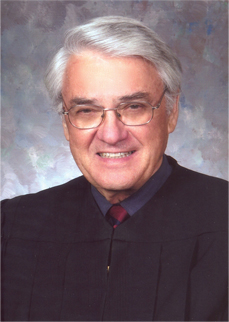
(Oct. 30) – Patrick E. Higginbotham was born in 1938 in rural Alabama. His father was a dairy farmer who struggled to make ends meet. As a kid, young Pat sold collard greens from the back of the truck to earn extra cash.

When he was 12, the town built a tennis court, which captured Higginbotham’s attention. He traded his hunting knife for a tennis racket and moved into the YMCA when he was 14 to focus on playing tennis. He was good, earning a scholarship at the University of Alabama from its athletic director, legendary football coach Paul “Bear” Bryant.

“Pat grew up poor and knows what it means to have a tough upbringing,” says long-time friend Jim Coleman, a partner at Carrington, Coleman, Sloman & Blumenthal in Dallas. “That experience is part of his character and made him the man and father and judge he is today.”

Higginbotham finished college and law school in just five years. At age 22, he joined the U.S. Air Force JAG Corps, where he tried his first case – a criminal theft matter.

Following the military, he moved to Dallas to join the city’s oldest law firm at the time – Coke & Coke, where he specialized in antitrust litigation.

“I marveled that people would pay me to have so much fun,” Higginbotham says. “The practice of law was a lot different back then. We didn’t keep timesheets until 1966 because no one ever thought about billing by the hour. A partner leaving his or her law firm for another law firm over money was simply unheard of.”

phiggenbotham1P

In 1975, President Ford nominated Higginbotham to the U.S. District Court in Dallas, making him the youngest federal judge in the country at the time. He joined the Fifth Circuit in the first wave of Reagan appointees in 1982 and from that position has had enormous influence on that Court, the profession, and those he mentors and teaches.

Higginbotham has authored hundreds of opinions that now shaped fundamental aspects of American law.

In the area of securities law, his LTV opinion from the 1970s essentially wrote the law of “fraud on the market.” Nearly 40 years later, his BP opinion from this year refines and distills today’s major causation theories.

Other landmark opinions address the application of the Voting Rights Act to judicial elections, the continuing and important role of the substantive due process clause in modern economic regulation, and the role of race in admissions at the University of Texas.

Higginbotham has served the bar in roles as diverse as chairman of the Center for American and International Law, which is a globally-respected provider of continuing legal education; chairman of the Advisory Committee on Civil Rules by appointment of Chief Justice William Rehnquist; and chairman of the American Inns of Court Foundation.

His former clerks include the presidents of Princeton University and Unisys Corporation, as well as professors at many major law schools and partners at leading firms.  He has taught dozens of law school courses and has been a major voice in the academic and professional literature on the phenomenon of the “vanishing jury trial” in civil cases.

When he speaks in public, Higginbotham displays a sparkling combination of intellect and trial experience, capable of moving instantly from a difficult constitutional issue to a funny story about his youth or a memorable case.  His distinctive writing style, instantly recognizable to experienced attorneys in federal practice, blends clever word choice and sentence structure to create succinct, powerful summaries of his legal analysis.

Fifth Circuit Chief Judge Carl Stewart, in an interview, said that’s because there is no judge who is more influential on the appeals court than Higginbotham.

“He has so much experience in so many different subject matters that there’s hardly a case that ever comes before us that he’s not already faced,” Stewart says. “He brings so much perspective and he’s a scholarly student of the law. He knows it like the back of his own hand.”

Now in his late 70s, Judge Higginbotham continues to handle a full caseload.  His sprawling intellectual and personal legacy touches virtually every area of law handled by the federal courts.  One of the most respected federal judges in the nation, he is truly a lion of the Texas Bar.

David Coale is a partner at Lynn Tillotson in Dallas where he specializes in appellate law. He clerked for Judge Higginbotham.[/fusion_text][/fusion_builder_column][/fusion_builder_row][/fusion_builder_container]

‘Uncle Darrell’ Jordan: Senior Statesman and ‘Damn Good Lawyer’ – Updated

[fusion_builder_container hundred_percent=”yes” overflow=”visible”][fusion_builder_row][fusion_builder_column type=”1_4″ last=”no” spacing=”yes” center_content=”no” hide_on_mobile=”no” background_color=”” background_image=”” background_repeat=”no-repeat” background_position=”left top” hover_type=”none” link=”” border_position=”all” border_size=”0px” border_color=”” border_style=”” padding=”” margin_top=”” margin_bottom=”” animation_type=”” animation_direction=”” animation_speed=”0.1″ animation_offset=”” class=”” id=””][fusion_imageframe lightbox=”no” lightbox_image=”” style_type=”none” hover_type=”none” bordercolor=”” bordersize=”0px” borderradius=”0″ stylecolor=”” align=”none” link=”” linktarget=”_self” animation_type=”0″ animation_direction=”down” animation_speed=”0.1″ animation_offset=”” hide_on_mobile=”no” class=”” id=””] [/fusion_imageframe][/fusion_builder_column][fusion_builder_column type=”3_4″ last=”yes” spacing=”yes” center_content=”no” hide_on_mobile=”no” background_color=”” background_image=”” background_repeat=”no-repeat” background_position=”left top” hover_type=”none” link=”” border_position=”all” border_size=”0px” border_color=”” border_style=”” padding=”” margin_top=”” margin_bottom=”” animation_type=”” animation_direction=”” animation_speed=”0.1″ animation_offset=”” class=”” id=””][fusion_text]By Patricia Baldwin

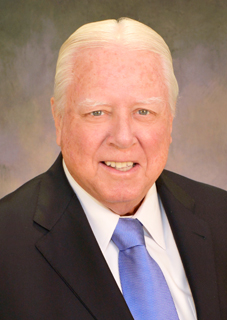
Jan. 9, 2017 – Darrell Jordan graduated from the University of Texas and received his LL.B. degree from Southern Methodist University Dedman School of Law. He got his street smarts as a lawyer, however, from the so-called Henry Wade University – the moniker assistant prosecutors once gave the workplace of the long-serving, late Dallas District Attorney.

“It’s important work,” Jordan said of the D.A.’s office, where he not only launched his legal career, but also discovered the gratification of public service.

Service to others is reflected in the Diamond McCarthy partner’s receipt in 2015 of the Texas Bar Foundation’s Outstanding 50 Year Lawyer Award. He has collected numerous such honors – Texas Appleseed’s Good Apple Award, SMU Dedman School of Law’s Distinquished Alumni Award, Dallas Bar Association’s Justinian Award and Texas Equal Access to Justice Commission’s Stars of Justice Award – and served in many non-profit leadership roles, but he finds most satisfying the human results that occur when he rolls up his sleeves.

At 77, Jordan is widely viewed in Dallas and across Texas as a senior statesman. He used his position as head of litigation at Hughes & Luce in the 1980s to support candidates for judicial seats. While Jordan considers himself an old fashion Barry Goldwater Republican, he openly campaigned for some Democrats. For example, he led election efforts for Dallas lawyer Ron White to be one of the first African-American judges elected countywide.

Jordan ran for Dallas mayor, but lost narrowly to Ron Kirk, who was the first African-American mayor in the city. Kirk and Jordan became friends and have supported each other’s civic efforts.

“Darrell is not only a damn good lawyer, he’s a friend and I appreciated his counsel while I was mayor,” Kirk said. “Darrell has done far more than his fair share for the community and for the legal profession.”

Jordan’s commitment to public service was on full display when he led the defense of the state’s use of legal trust fund interest to help pay for legal services for the poor.

In March 2003, the U.S. Supreme Court ended a nine-year legal battle by ruling in favor of the Interest on Lawyer’s Trust Accounts (IOLTA) Program. Lawyers familiar with the case say Jordan donated thousands of billable hours and tens-of-thousands of dollars out of his own pocket toward the IOLTA effort, which has benefited tens-of-thousands of low-income Texans who needed legal representation.

As part of his efforts, he achieved a legal objective that few lawyers – even most great trial lawyers – accomplish: he briefed and presented oral arguments to the Supreme Court.

“There’s no question,” Jordan said. “IOLTA began the process of having influential people – legislators, judges, others – understand the importance of funding legal services for the poor.”

Under the IOLTA program, the interests collected from the various trust accounts from lawyers across the state that temporarily hold payments by clients is combined by the banks and given a special, higher interest rate. That money is then paid to the Texas Access to Justice Foundation, which funds various legal aid projects across the state. A 2014 survey by the University of North Texas estimated that Texas lawyers annually provide the equivalent of $500 million of free or indirect services to the poor.

Jordan finds litigation “intellectually stimulating.” That doesn’t mean stuffy.

His “most fun case” grabbed media headlines as a “cold war.”

Jordan and colleagues at Hughes & Luce, where he spent 24 years, represented Haagen-Dazs when Baskin-Robbins sued the Pillsbury Co. subsidiary for trademark infringement.

In fact, Baskin-Robbins had trademarked the name Pralines ‘N Cream when Haagen-Dazs introduced Pralines & Cream.

“You have to police your trademark,” Jordan explained. He sent paralegals around the country to buy Pralines ‘N Cream from many other ice cream stores.

Haagen-Dazs prevailed, although Jordan noted, “We all gained 10 pounds.”

Jordan’s client list is envied by many in the legal profession. He represented Citibank in multiple litigation matters, including a class action regarding the business’s lending practices. The city of Arlington hired him to lead an investigation into allegations of corruption within its police department and municipal court system. He successfully defended a Dallas TV reporter who was sued by a pair of Dallas Cowboys football players.

A huge proponent of the American jury system, Jordan said he fears that the right to trial by jury is slowly eroding. He points to recent data published by The Texas Lawbook showing that the number of civil jury trials in Texas has plummeted from 3,600 in 1996 to only 1,200 last year.

“The ability to have our civil disputes decided by our peers is a fundamental right in our Constitution,” he said. “It is a cherished right that should be vigorously preserved.”

Jordan’s penchant for mentoring young lawyers once earned him the nickname of “Uncle Darrell.” The humorous tag stuck.

“Everyone knows and gets along with Uncle Darrell,” said Mark Sales, who has worked with Jordan for a couple decades and is his law partner at Diamond McCarthy. “Darrell is unique in that he is a superb lawyer, a strong advocate for his clients and is respected by opposing counsel and members of the judiciary.

“Darrell is truly one of the great trial lawyers and legal statesmen of our generation,” Sales said.

Jordan is philosophical about his two unsuccessful Dallas mayoral campaigns, noting he learned a lot about himself when the “good voters twice elected me to stay in the private sector.”

Jordan is an acknowledged “people person.” And it was people – former colleagues and friends – who convinced him to join Diamond McCarthy about a year ago.

“It’s a natural fit,” he said. “I enjoy helping them build.”

He also enjoys building support for the Salesmanship Club’s Momentous Institute, a grade school in Oak Cliff.

“Without exception, our kids graduate from high school. Many go to college,” he said.

Jordan is proud of his leadership in establishing the Dallas Bar Foundation’s Sarah T. Hughes Diversity Scholarship for minority law students at SMU. Since its inception in 1981, the program has awarded $1.9 million to more than 50 recipients who agree to practice in Dallas.

Jordan dismissed queries about retirement: “Naw. Why? I enjoy coming to work every day.”[/fusion_text][/fusion_builder_column][/fusion_builder_row][/fusion_builder_container]

Carol Dinkins: A Trailblazer and the ‘Best Environmental Lawyer Ever’

[fusion_builder_container hundred_percent=”yes” overflow=”visible”][fusion_builder_row][fusion_builder_column type=”1_4″ last=”no” spacing=”yes” center_content=”no” hide_on_mobile=”no” background_color=”” background_image=”” background_repeat=”no-repeat” background_position=”left top” border_position=”all” border_size=”0px” border_color=”” border_style=”” padding=”” margin_top=”” margin_bottom=”” animation_type=”” animation_direction=”” animation_speed=”0.1″ class=”” id=””][fusion_imageframe lightbox=”no” lightbox_image=”” style_type=”none” hover_type=”none” bordercolor=”” bordersize=”0px” borderradius=”0″ stylecolor=”” align=”none” link=”” linktarget=”_self” animation_type=”0″ animation_direction=”down” animation_speed=”0.1″ hide_on_mobile=”no” class=”” id=””] [/fusion_imageframe][/fusion_builder_column][fusion_builder_column type=”3_4″ last=”yes” spacing=”yes” center_content=”no” hide_on_mobile=”no” background_color=”” background_image=”” background_repeat=”no-repeat” background_position=”left top” border_position=”all” border_size=”0px” border_color=”” border_style=”” padding=”” margin_top=”” margin_bottom=”” animation_type=”” animation_direction=”” animation_speed=”0.1″ class=”” id=””][fusion_text]By Janet Elliott
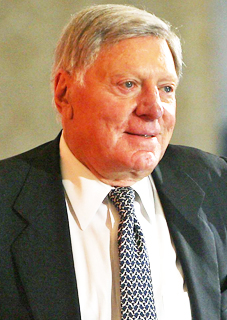
HOUSTON (Oct. 20) – As a young Vinson & Elkins associate in Houston in the early 1970s, Carol Dinkins had to take an out-of-town client through the kitchen of an exclusive Houston club to reach a private room because women were not allowed in the main dining area at lunch.

A number of years later, Dinkins again would find herself entering an establishment through the kitchen. But this time she was in a formal dress and headed for the dais with President Reagan, who had appointed her to a high-ranking position in the Justice Department.

“That was the first I’d known of going though the kitchen as a dignitary,” Dinkins says. “Before I had to go through the kitchen because I was a woman.”

Dinkins has blazed many trails in her 44-year career. She was one of the first lawyers in Texas to develop a specialty in environmental law. Vinson & Elkins voted in 1979 to make Dinkins the first woman to make partner at a major Houston law firm.

In 1984, President Reagan appointed her as deputy attorney general. She was the first woman to become second in command at Justice.

In separate interviews, senior executives at Shell Oil and BP – two oil and gas companies that have relied on Dinkins legal advice over the years – describe Dinkins as probably the “best environmental lawyer ever.”

As The Wall Street Journal reported in 2010, “The first call BP executives made when they learned of the Deepwater Horizon explosion and spill was to their long-time legal adviser Carol Dinkins.”

It all started with Dinkins’ interest in the emerging specialty of environmental law.

Dinkins did not study environmental law at the University of Houston because no classes were offered before she graduated in 1971. Over the next two years – immersed in a coastal and marine program at the law school – she watched with great interest as Congress passed major waterway safety, marine life protection and clean water acts.

“All kinds of environmental law was passed very shortly after I got out of law school,” Dinkins says. “The research and writing and teaching program I went into really gave me an immediate immersion into the development of environmental law in the 1970s.”

A tip from a former classmate whose husband worked at Vinson & Elkins helped Dinkins become the fourth woman lawyer hired at the Houston firm and the first to demand to be placed on the partner track. The other two lawyers in the public law section handled air and water issues and everything else fell to Dinkins.

In her very first week, she found herself working on coastal zone permitting projects for Texas business giants George Mitchell and Perry Bass.

“Those were remarkable opportunities for a brand new lawyer,” Dinkins says. “The firm was totally supportive and very eager to turn such big matters over to me.”

Reagan’s election in 1980 presented another serendipitous opportunity for Dinkins, a Republican since childhood when her parents were among a handful of GOP faithful in South Texas. Backed with support from Bass, Gov. Bill Clements and former Gov. John Connally, Dinkins impressed the new administration with her expertise.

“They hadn’t had anyone with my level of experience in environmental law. Also, they didn’t have very many women candidates,” Dinkins says.

She served as assistant attorney general in charge of the Environment and Natural Resources Division of the U.S. Department of Justice from 1981 to 1983. It was an exciting time to run the division, which was in the process of developing criminal sanctions for polluters.

In 1984, after happily reviving her practice, Dinkins was asked to return to Washington as deputy attorney general, second in rank to Attorney General William French Smith.

“Everybody said you can’t pass this up,” says Dinkins. “They were right, and I’m glad I didn’t because it was another great, mind-blowing experience.”

Dinkins served in that position for a year, broadening her experience through work on immigration, federal prisons and drug enforcement.

Since leaving the Washington pressure cooker 30 years ago, Dinkins has handled many complicated, precedent-setting cases. She spent a year negotiating a 300-page consent decree with the Environmental Protection Agency and Justice Department to remediate 60 sites in a dozen states where soil within the right-of-way of an interstate natural gas pipeline had been contaminated with PCBs and other substances.

“Nobody had ever done a linear cleanup project like that,” says Dinkins. “The project came in early and under budget.”

She also recalls the day she resolved two federal plea agreements for the same client involving environmental disasters 3,000 miles apart – a large Alaskan oil spill and a deadly explosion at a Texas oil refinery.

As Dinkins, 69, winds down her practice this year, she notes how the legal profession and the practice of environmental law has changed profoundly. There is now competition from law firms around the country. Consultants and in-house legal departments have taken over much of the permitting work.

Her pride of being a trailblazer for other women is tempered with the knowledge that too often she is still the only woman in a room of a dozen people, whether it is a law firm conference room or the board room of a Fortune 500 company.

“It’s still not as common or frequent as I would have hoped for at this point in the world,” she says. “Someday, I hope it will be different.”[/fusion_text][/fusion_builder_column][/fusion_builder_row][/fusion_builder_container]

Too Many Lawyers, Not Enough Joe Jamails

[fusion_builder_container hundred_percent=”yes” overflow=”visible”][fusion_builder_row][fusion_builder_column type=”1_4″ last=”no” spacing=”yes” center_content=”no” hide_on_mobile=”no” background_color=”” background_image=”” background_repeat=”no-repeat” background_position=”left top” border_position=”all” border_size=”0px” border_color=”” border_style=”” padding=”” margin_top=”” margin_bottom=”” animation_type=”” animation_direction=”” animation_speed=”0.1″ class=”” id=””][fusion_imageframe lightbox=”no” lightbox_image=”” style_type=”none” hover_type=”none” bordercolor=”” bordersize=”0px” borderradius=”0″ stylecolor=”” align=”none” link=”” linktarget=”_self” animation_type=”0″ animation_direction=”down” animation_speed=”0.1″ hide_on_mobile=”no” class=”” id=””] [/fusion_imageframe][/fusion_builder_column][fusion_builder_column type=”3_4″ last=”yes” spacing=”yes” center_content=”no” hide_on_mobile=”no” background_color=”” background_image=”” background_repeat=”no-repeat” background_position=”left top” border_position=”all” border_size=”0px” border_color=”” border_style=”” padding=”” margin_top=”” margin_bottom=”” animation_type=”” animation_direction=”” animation_speed=”0.1″ class=”” id=””][fusion_text]By Mark Curriden
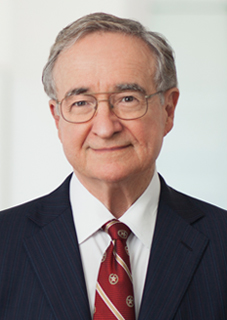
HOUSTON (Oct. 19) – Two years ago, Stanford University asked Houston trial lawyer Joe Jamail to lecture a large group of students and alumni of its business school.

As he preached on the sad decline in the number of jury trials in the U.S. as a result of tort reform, a hand raised near the back of the auditorium.

“Don’t you think there are too many lawyers in America today?”

Jamail pounced.

“If you are talking about lawyers who are paper pushers, you are damn right there are,” he said. “But as long as there are bastard executives like you people who are stealing from each other and screwing each other over, you need more lawyers like me.”

After the lecture, executives from Apple introduced themselves and hired him on the spot to handle a contentious business dispute.

Joseph D. Jamail Jr. celebrates his 90th birthday today. He is arguably the most famous and successful trial lawyer in history. He has tried more than 500 jury and bench trials, which resulted in more than $13 billion in judgments for his clients — not too shabby for a guy who failed torts in law school.

Jamail initially enrolled at the University of Texas in 1942 as a pre-med student, but received five F’s when he failed to show up for his final exams. He forged his father’s name on enlistment documents and joined the Marines.

Jamail returned home after the war and returned to UT to get his liberal arts degree and then law degree.

When a classmate bet him $100 that he couldn’t pass the bar exam during his second year of law school in 1952, he accepted the challenge and scored 76. The passing grade was 75.

“Shit, I’m overeducated,” he told his friends. “We used the $100 to buy a lot of beer and got drunk by the lake.”

Jamail’s first courtroom victory came while he was still in law school. A waitress at one of his favorite bars had cut her hand trying to open a bottle of beer. So Jamail and his classmates sued the beer’s bottling company.


“None of us knew what the hell we were doing,” says Jamail. “The thing was, the other side and the judge also knew we didn’t know what we were doing. Fortunately, the beer company offered us $750 to settle the case. We took it and ended up spending it all at the bar that night drinking.”

Jamail’s first brush with notoriety came in a case other lawyers rejected.

His client had three shots of bourbon before driving to get his family takeout fried chicken for dinner. On the way to the fast food restaurant, his car jumped the curb of the cement island in the middle of the street and crashed into a tree.

At the hospital, the driver’s blood-alcohol level tested at .22. He died a couple days later. The man’s widow asked the city to pay the funeral cost, but city officials just laughed at her.

Jamail says he agreed to take the case and drove to the spot where the accident occurred.

“I couldn’t believe my eyes,” he says. “There was a tree growing in the middle of the damn street – a couple of them, in fact. I thought, what the hell is a tree doing growing in the middle of the street. A street sign, I could understand, but not a damn tree.”

Thinking creatively, Jamail sued the city of Houston claiming that the trees were a public nuisance. He won at trial, of course, and the city paid for the man’s funeral, plus $6,000 for pain and suffering. Plus the city had to cut down the trees.

“I got calls for the next two years from these tree-huggers cursing me for having the trees cut down,” he says.

No articles about Joe Jamail are complete without mentioning November 1985. He had been in court for several weeks trying a complex business dispute and had just sat down at his work desk at home to map out thoughts for closing arguments, which were scheduled for 9 a.m. the next morning.

“All of a sudden, I hear a car horn blowing outside my house,” he says.

A white limousine pulled into Jamail’s driveway and out jumped two of his best friends, singer Willie Nelson and former University of Texas football coach Darrell Royal.

“They started begging me to go out drinking with them and I tried telling them that this was the biggest damn case of my life and that I needed to prepare,” he says. “But they weren’t having any part of it. They kept me up all fucking night drinking. I could barely see straight the next morning.”

The record will show that Jamail did well. He told jurors that while the case seemed highly complicated, it was actually quite simple.

“This case is about people keeping their word and being honest,” he told jurors. “My client honored their word. The other side did not.”

The jury agreed, awarding Jamail’s client, Pennzoil Co., $10.53 billion against Texaco Inc. The case eventually settled for $3.3 billion. Jamail’s personal take topped $400 million.

“We celebrated that night at my house by eating hamburgers and drinking beer,” he says. “I’ve still got the $3 billion deposit slip on my wall.”[/fusion_text][/fusion_builder_column][/fusion_builder_row][/fusion_builder_container]

Harry Reasoner: A Great Trial Lawyer with a Social Conscience

[fusion_builder_container hundred_percent=”yes” overflow=”visible”][fusion_builder_row][fusion_builder_column type=”1_4″ last=”no” spacing=”yes” center_content=”no” hide_on_mobile=”no” background_color=”” background_image=”” background_repeat=”no-repeat” background_position=”left top” border_position=”all” border_size=”0px” border_color=”” border_style=”” padding=”” margin_top=”” margin_bottom=”” animation_type=”” animation_direction=”” animation_speed=”0.1″ class=”” id=””][fusion_imageframe lightbox=”no” lightbox_image=”” style_type=”none” hover_type=”none” bordercolor=”” bordersize=”0px” borderradius=”0″ stylecolor=”” align=”none” link=”” linktarget=”_self” animation_type=”0″ animation_direction=”down” animation_speed=”0.1″ hide_on_mobile=”no” class=”” id=””] [/fusion_imageframe][/fusion_builder_column][fusion_builder_column type=”3_4″ last=”yes” spacing=”yes” center_content=”no” hide_on_mobile=”no” background_color=”” background_image=”” background_repeat=”no-repeat” background_position=”left top” border_position=”all” border_size=”0px” border_color=”” border_style=”” padding=”” margin_top=”” margin_bottom=”” animation_type=”” animation_direction=”” animation_speed=”0.1″ class=”” id=””][fusion_text]By Janet Elliott
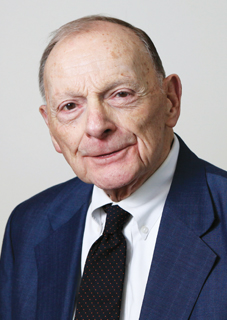
HOUSTON (Oct. 21) – Harry Reasoner’s idea of cutting back at work involves trying one or two major cases a year, handling a number of appeals and leading efforts to help low-income Texans with their civil law needs.

“I regard myself as working half time,” says the 76-year-old Vinson & Elkins stalwart, adding that he could only make such a claim because his wife wasn’t in earshot. “I really enjoy trying cases. There are not many other games I play that well.”

From winning a $1 billion judgment in an antitrust case to heading a 30-year effort to insure prison inmates’ First Amendment rights, Reasoner combines a litigator’s instinct with a strong sense of social justice.

Much of his proudest work – in the prison litigation and defending affirmative action in the Hopwood case involving the University of Texas School of Law – has been done pro bono.

“Figuring out how to educate our minority populations and people who grow up in poor economic circumstances is one of the most important problems our country faces, particularly in a state like Texas,” says Reasoner.

His easygoing, charming demeanor has helped him connect with jurors and disarm news reporters. He is credited with helping defend V&E’s reputation when its high-profile client Enron collapsed in spectacular fashion in 2001. Reasoner reassured clients and calmly endured questions from reporters looking to implicate the firm in the Enron scandal.

One of his favorite clients was “60 Minutes” correspondent Ed Bradley, who was sued for libel in connection with a report about an El Paso colonias developer. When a federal jury cleared Bradley and CBS after a 1997 trial, Bradley asked Reasoner what to say to the press.

“Ed, just tell them that sometimes the truth hurts,” Reasoner advised, and a beaming Bradley did just that.

When antitrust litigation was hot, Reasoner was in trial a lot. A big win came in 1989 when his trial team won a $1 billion jury verdict and judgment against western railroads that had conspired to block a coal slurry pipeline.

He obtained a take-nothing jury verdict for The Dallas Morning News in a $100 million antitrust suit brought by its competitor, the Dallas Times Herald. “It was a dangerous case because the Times Herald was going out of business and the competition by the Morning News had been hard ball,” says Reasoner.

From 1992-2001, Reasoner served as managing partner of the firm. Unwilling to give up his practice, he continued to play a key role in big cases. He won several hundred million dollars for Shell in an eight-month arbitration in Washington D.C. over responsibility for leaking plastic plumbing pipes that had caused problems for homeowners around the country.

Reasoner says the business demands of today’s law firms probably require a full-time managing partner. “It was hard to keep both balls in the air and I probably shouldn’t have tried,” he says.

His modesty downplays significant accomplishments during his tenure running the firm. Longtime colleague and fellow Lion Carol Dinkins lauds Reasoner’s leadership in persuading the management committee in 1997 to extend benefits to same-sex partners of the firm’s employees.

“Harry introduced that matter with such ease and in such a matter-of-fact way,” says Dinkins. “It was not a hard-fought debate. It was not a crisis in discussion. It was very calm, very thoughtful, and it was accomplished, and I think that’s a matter of great pride for Harry and our law firm.”

Reasoner recalls that some firm leaders were concerned about client backlash when V&E became the first Houston firm to recognize the rights of gay lawyers.

“We reached a consensus that we should do the right thing and felt we could deal with any client backlash. If we lost some business for doing the right thing, we were willing to accept that consequence,” says Reasoner. “I did not receive any complaints and we are not aware of any clients we lost because of it.”

In recent years, Reasoner represented the grandchildren of firm founder James Elkins in a dispute with the IRS over the value of their fractional interests in an inherited art collection. In 2014, the U.S. Court of Appeals for the Fifth Circuit ordered a $14.4 million refund in a ruling that affirmed the use of fractional interest discounts to reduce estate taxes on artworks.

Pablo Picasso, Jackson Pollock, Paul Cézanne and Henry Moore were among the artists represented in the collection. “It was fascinating to try because I got to learn about the art,” says Reasoner.

Like many of his contemporaries, Reasoner is concerned about the decline in jury trials and the difficulty that presents for young lawyers needing trial experience. He is critical of Congress for failing to keep federal judicial pay at reasonable levels and to provide adequate resources and technology for the courts.

Social justice remains a focus for Reasoner, who chairs the Texas Access to Justice Commission. He says the dramatic reduction in federal funds for legal services means the commission has to work even harder for state funding and to coordinate self-help efforts for pro se litigants.

“When they need a lawyer we have to turn four of five away because we don’t have the resources.” Reasoner says. “In 67 percent of divorces in Texas, people try to represent themselves.”[/fusion_text][/fusion_builder_column][/fusion_builder_row][/fusion_builder_container]

Jim Coleman: The Gentlemanly Lawyer

[fusion_builder_container hundred_percent=”yes” overflow=”visible”][fusion_builder_row][fusion_builder_column type=”1_4″ last=”no” spacing=”yes” center_content=”no” hide_on_mobile=”no” background_color=”” background_image=”” background_repeat=”no-repeat” background_position=”left top” border_position=”all” border_size=”0px” border_color=”” border_style=”” padding=”” margin_top=”” margin_bottom=”” animation_type=”” animation_direction=”” animation_speed=”0.1″ class=”” id=””][fusion_imageframe lightbox=”no” lightbox_image=”” style_type=”none” hover_type=”none” bordercolor=”” bordersize=”0px” borderradius=”0″ stylecolor=”” align=”none” link=”” linktarget=”_self” animation_type=”0″ animation_direction=”down” animation_speed=”0.1″ hide_on_mobile=”no” class=”” id=””] [/fusion_imageframe][/fusion_builder_column][fusion_builder_column type=”3_4″ last=”yes” spacing=”yes” center_content=”no” hide_on_mobile=”no” background_color=”” background_image=”” background_repeat=”no-repeat” background_position=”left top” border_position=”all” border_size=”0px” border_color=”” border_style=”” padding=”” margin_top=”” margin_bottom=”” animation_type=”” animation_direction=”” animation_speed=”0.1″ class=”” id=””][fusion_text]By Mark Curriden
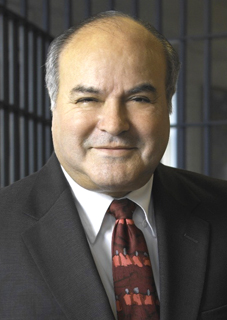
(Oct. 19) – As the best lawyers in the U.S. crowded into an East Texas courtroom to negotiate a multibillion-dollar global asbestos settlement known as the Fiberboard Corp. case, one lawyer had doubts about the legality of such a broad deal.

The federal judge had appointed Jim Coleman in 1995 to represent a class of plaintiffs even as the defendants and their insurance companies faced near certain bankruptcy from tens-of-thousands of personal injury lawsuits.

“Jimmy convinced the insurance companies, who were absolutely certain that the courts would approve the settlement, to agree to pay $1.5 billion to those who were suffering from mesothelioma even if the federal courts eventually rejected the global deal,” says John Martin, Coleman’s partner at Carrington Coleman.

Coleman’s legal analysis was correct. The Supreme Court of the United States rejected the settlement in 1999, which sent asbestos litigation into chaos.

“Thanks to Jimmy,” Martin says, “the victims received at least some money from the insurance companies.”

For more than six decades, Jim Coleman has represented Ford Motor Company, General Motors, Uniroyal, John Deere and nearly every insurance company and bank in Texas in hundreds of trials.

He won a multi-billion-dollar trial for Oscar Wyatt’s Coastal States in 1972, when billion-dollar cases were unheard of. Thirty years later, in 2001, Enron Chairman Ken Lay made Coleman one of his first calls when he saw trouble coming.

Scores of lawyers called him for help when they were in trouble. He fired clients when he learned they weren’t telling the truth or when they hid evidence from the court or when they refused to work with some of his lawyers just because they were women. Judges openly admit that legal briefs with his name on them have greater influence. Just about every award ever presented for professionalism, integrity, community service and justice are hanging on his wall.

Simply put, Jim Coleman may be the most respected lawyer in Texas. No lawyer has influenced the legal profession or lawyers more.

“Jim is the model of what every lawyer should be,” says U.S. District Judge Barbara Lynn. “He is the best lawyer I have ever known or will ever know.”

As a young associate, Lynn handled a matter for a major firm client when she discovered the client was withholding documents despite a court order to produce them.

“I told the client that I would not represent him if he continued to hide the documents,” Lynn says. “The client demanded to speak with Jim, but Jim completely supported me and my position. He was willing to lose the client rather than compromise his integrity. That is Jim Coleman.”

Days after Japan attached Pearl Harbor in Dec. 1941, Coleman enlisted in the Army, where he served as a platoon leader and Second Lieutenant and marched through Europe with Patton’s Third Army. He was later awarded the Silver Star.

While attending the University of Virginia School of Law in 1951, the Army ordered Coleman to report to a specific street address in Washington, D.C. But when he took a taxi to the address, the driver took him to the U.S. Government Printing Office.

“I started arguing with the taxi driver that this couldn’t be the building, but he insisted it was the right address,” he says. “I went inside and learned that it was really the Central Intelligence Agency.”

Coleman worked for the CIA for two years, but he declines to discuss his efforts for the agency.

“Even my wife never knew what I did,” he says.

When the Korean conflict ended, Coleman moved to Texas where he joined Carrington, Gowan, Johnson & Walker as a lawyer in the firm’s real estate contracts practice. His salary: $200 a month.

Coleman says he took every opportunity to be in the courtroom, even volunteering to take over cases from his colleagues.

In 1971, he handled his first bet-the-company trial when he represented Coastal States Gas Company, which had been founded by Oscar Wyatt. The energy company sold gas to cities such as San Antonio, Austin and Corpus Christi for about a dime a gallon.

When OPEC cut production and raised prices by 70 percent, Wyatt convinced the Texas Railroad Commission to allow Coastal to raise its rates. San Antonio refused to pay and instead sued Coastal. Coastal countersued. Several billion dollars in damages were at stake.

“We were getting killed in the press, saying this was the worst issue to ever hit San Antonio – worse than the Alamo,” Coleman says. “The judge down there treated us like a country dog come to town.”

Coleman essentially moved to San Antonio, staying in a hotel room on the river for more than a year.

A key moment during the trial came when the plaintiff’s star witness, the mayor of San Antonio, took the witness stand to testify against Coastal.

Under a blistering cross-examination by Coleman, the mayor became confused, provided testimony that conflicted with his own earlier statements, refused to answer some questions and clearly demonstrated a lack of knowledge of the facts.

“Judge, he’s not answering my question. He’s not responsive. He’s believing in the tooth fairy,” Coleman repeatedly told the judge. “We had to prove that they had no cause of action in Bexar County because we were doing business there. We slowly started seeing the judge move to our side.”

Lawyers for both sides noticed that the judge was slowly changing his position in favor of Coastal States, leading San Antonio officials to agree to settle the case on terms very favorable to Coastal States.

“I can’t tell you what all the characteristics are of a great lawyer,” says Judge Patrick Higginbotham of the U.S. Court of Appeals for the Fifth Circuit, “but I can point to Jim Coleman and say with absolute confidence that he has all of them.”[/fusion_text][/fusion_builder_column][/fusion_builder_row][/fusion_builder_container]

Eduardo Rodriguez: The Lawyer to Call in South Texas

[fusion_builder_container hundred_percent=”yes” overflow=”visible”][fusion_builder_row][fusion_builder_column type=”1_4″ last=”no” spacing=”yes” center_content=”no” hide_on_mobile=”no” background_color=”” background_image=”” background_repeat=”no-repeat” background_position=”left top” border_position=”all” border_size=”0px” border_color=”” border_style=”” padding=”” margin_top=”” margin_bottom=”” animation_type=”” animation_direction=”” animation_speed=”0.1″ class=”” id=””][fusion_imageframe lightbox=”no” lightbox_image=”” style_type=”none” hover_type=”none” bordercolor=”” bordersize=”0px” borderradius=”0″ stylecolor=”” align=”none” link=”” linktarget=”_self” animation_type=”0″ animation_direction=”down” animation_speed=”0.1″ hide_on_mobile=”no” class=”” id=””] [/fusion_imageframe][/fusion_builder_column][fusion_builder_column type=”3_4″ last=”yes” spacing=”yes” center_content=”no” hide_on_mobile=”no” background_color=”” background_image=”” background_repeat=”no-repeat” background_position=”left top” border_position=”all” border_size=”0px” border_color=”” border_style=”” padding=”” margin_top=”” margin_bottom=”” animation_type=”” animation_direction=”” animation_speed=”0.1″ class=”” id=””][fusion_text]By Mark Curriden
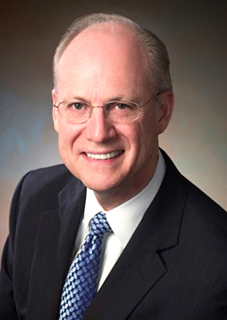
(Oct. 19) – Eduardo Rodriguez weighed less than four pounds when he was born. When his older sisters spotted him in the hospital nursery for the first time, they called him Pee Wee and the name stuck.

“No one ever called me anything other than Pee Wee,” he says. “When I was nine, my dad was filling out some official papers and he had to list his children. For me, he wrote down ‘Pee Wee.’ They told my dad that they needed my real name and my dad had to call my mom to remind him what it was.

“I was Pee Wee until I got my first job and the lawyer said he wanted me to use my real name,” says Rodriguez, who is a native of Edinburg and is now a partner at Atlas, Hall & Rodriguez in Brownsville.

While family and friends still call him Pee Wee, corporate executives at Ford Motor Co., Union Pacific, 3M and General Motors have Eduardo Rodriguez on speed dial when they are sued in South Texas.

Deep pocket defendants realize that juries in the Valley are known for their eight, nine and 10-digit verdicts against big businesses. Their only shot at a level playing field is getting Rodriguez to join the defense team.

“This region can be a tough place for a large corporation to defend itself against allegations of defective products and cover up,” he says. “But if you have the facts on your side, you just have to know how to explain it to people here. Juries here seek the truth and want justice. You just need to show them what justice is.”

At age 17, Rodriguez left home for the first time in 1961 for Washington, D.C., where he attended college at George Washington University. He worked part-time for four years in the Capital Building operating the elevator right outside the U.S. House chambers.

“It was an incredible time to be there,” he says. “The Cuban Missile Crisis, the assassination of President Kennedy, the passage of the Civil Rights Act and Voting Rights Act – it all happened while I was there. I was paid $350 a month.”

After college, he attended the University of Texas School of Law, where he graduated in 1968.

Rodriguez’s first trial as the lead lawyer came in 1969, when he represented a worker on a shrimp boat who had been injured on the job. The trial lasted three days and the jury was out for more than four hours.

“I still remember waiting for that jury to come back with a verdict,” he says. “I was so nervous. The thing is, that nervousness returns during every trial, even now.”

The jury awarded Rodriguez’s client $25,000.

In the 45 years that followed, Rodriguez has been involved in some of the biggest products liability lawsuits and class actions. He defended Jeep in the roll over cases. He represented the railroad companies in wrongful death allegations. Ford called Rodriguez to defend the automaker in the Mustang explosion cases and again in the Firestone tires blowout class action cases.

Rodriguez’s favorite courtroom victory involved a tragic car crash in 1992 that took the life of Enrique Tamaz, who was hit by a drunk driver while going through an intersection. His widow sued Ford for $1 million, claiming the door of the car he was driving was defective and caused his death when the car rolled over.

“Ford actually gave us the money to settle the case while the jury was deliberating but we made the decision to go for it and not make the offer to the plaintiff,” he says. “We were very nervous waiting for the jury to come back with a decision.”

After only 45 minutes of deliberating, the jury ruled for Ford on every count.

A few years later, Rodriguez represented a trucking company that was being sued in a wrongful death case in Zepata County. A car slid under the oil tanker and the plaintiff’s lawyer argued the truck was unsafe because it didn’t have safety rails on the side.

“The plaintiff’s lawyer grew up there and he personally knew 40 of the 44 prospective jurors,” he says. “One was his 8th grade teacher. I noticed he never asked the 45th juror if she knew him. Come to find out, she was his sister.”

Despite the hometown advantage for the plaintiff, Rodriguez put up a strong defense and convinced the plaintiff’s lawyer to settle the case for a reasonable amount.

Every once in a while, Rodriguez will tackle a criminal case. In 1998, he agreed to defend Susan Mowbray against charges she murdered her husband in order to get his $1.8 million life insurance payout. Mowbray had been convicted a decade earlier and served nine years in prison, but the conviction had been reversed because the prosecutors had withheld evidence from the defense lawyers.

Rodriguez argued that Mowbray’s husband committed suicide because he faced severe financial troubles at his Cadillac dealership and the Internal Revenue Service was investigating him.

But the key testimony for the defense came from Mowbray’s banker who told jurors that Mowbray pleaded for a loan just days before his death and said he would kill himself if he didn’t get.

The jury found the defendant not guilty.


But Rodriguez says the highlight of his career has been the opportunity to practice law with his sons, Michael and Patrick, who are also lawyers at Atlas Hall.


“There is no bigger thrill than to work on a case with them and see them in action in court,” he says. “I am truly blessed.”[/fusion_text][/fusion_builder_column][/fusion_builder_row][/fusion_builder_container]

Martin Beirne: The Game Changer

[fusion_builder_container hundred_percent=”yes” overflow=”visible”][fusion_builder_row][fusion_builder_column type=”1_4″ last=”no” spacing=”yes” center_content=”no” hide_on_mobile=”no” background_color=”” background_image=”” background_repeat=”no-repeat” background_position=”left top” border_position=”all” border_size=”0px” border_color=”” border_style=”” padding=”” margin_top=”” margin_bottom=”” animation_type=”” animation_direction=”” animation_speed=”0.1″ class=”” id=””][fusion_imageframe lightbox=”no” lightbox_image=”” style_type=”none” hover_type=”none” bordercolor=”” bordersize=”0px” borderradius=”0″ stylecolor=”” align=”none” link=”” linktarget=”_self” animation_type=”0″ animation_direction=”down” animation_speed=”0.1″ hide_on_mobile=”no” class=”” id=””] [/fusion_imageframe][/fusion_builder_column][fusion_builder_column type=”3_4″ last=”yes” spacing=”yes” center_content=”no” hide_on_mobile=”no” background_color=”” background_image=”” background_repeat=”no-repeat” background_position=”left top” border_position=”all” border_size=”0px” border_color=”” border_style=”” padding=”” margin_top=”” margin_bottom=”” animation_type=”” animation_direction=”” animation_speed=”0.1″ class=”” id=””][fusion_text]By General Motors General Counsel Craig Glidden

HOUSTON (Oct. 12) – When your Irish Catholic mother suggests that you would make a good lawyer, it’s either a comment about how much you like to argue, a genuine career suggestion or both. In either case, given the source, it’s not to be taken lightly.

Marty Beirne became a lawyer.

Marty is a Vietnam-era Army veteran. He was a partner at Fulbright & Jaworski. And he, along with Bill Maynard and Jeff Parsons, founded Beirne, Maynard & Parsons in 1987 on the premise that there was a better way to provide litigation services.

Marty does not like to talk about his personal history much. Although his accomplishments as a civil trial lawyer have been both numerous and impressive, he would prefer to talk about the accomplishments of his firm.

And if anything has been the hallmark of the firm’s success, it has been Marty’s refusal to accept the status quo. Marty refused to believe that a firm’s size determined its capability or the kind of clients it could attract and serve.

Even as a law student at St. Mary’s University School of Law, Marty was inclined to question the way things were, in particular why the school did not have a law review of its own.

“I’m not exactly sure what made me think that some kid could just arrive one day and start a law review,” he says. “The interesting thing was that nobody told me that I had no business thinking about law reviews that weren’t already in the library – that such things were for my elders and betters.”

Marty and his fellow students convinced the powers-that-be that they were capable of producing a world-class law review, and he was selected to serve as its founding editor-in-chief. Today, St. Mary’s Law Journal is one of the most often cited law reviews in the country.

Marty’s commitment to his law school, to the bar, and to the profession of law has never diminished, and one has only to read his resume to marvel at the energy that has allowed him to accomplish all that he has achieved for clients as their trial counsel as well as to raise three children of whom he is justifiably proud.

Marty’s first trial was a health insurance coverage/fraud case in Anderson, Texas. To win, he had to park his red sports car far from town and rely on a sympathetic rancher for a ride to the courthouse, having heard that “big city lawyers” were not very popular in Anderson. True to form, what he is quickest to acknowledge is that others helped make his wins possible.

Marty has always been about possibilities and has represented clients on many different stages.

In the 1980s, when he was hired to serve as lead counsel for General Motors in a three-year litigation campaign to stop the counterfeiting of motor vehicle parts, he found himself trying cases throughout the United States that resulted in seizure of hundreds of millions of dollars in counterfeit materials, as well as an assortment of permanent injunctions and payments to GM.

At the same time, he helped draft and implement anti-counterfeiting statutes and enforcement procedures in Saudi Arabia, Kuwait, and the UAE.

Years later, no stranger to international legal matters, Marty was counsel for Conoco Phillips when its offshore oil and gas concession granted by the government of East Timor was challenged by another company. Marty successfully defended the international energy company against allegations of RICO and antitrust violations and theft of trade secret claims.

Law firms and lawyers are notorious for resistance to change, but that has never been part of Marty Beirne’s DNA. If you ask the firm’s clients, they will tell you that Marty can see around corners. When the economics of corporate law departments came under close scrutiny, with GCs under pressure to reduce costs, rather than resisting change, Marty was among the leaders in developing and implementing alternative fee arrangements to support clients’ efforts to become leaner.

At the same time, as clients began looking for greater efficiencies from outside counsel, Marty oversaw Beirne, Maynard & Parsons’ implementation of early case assessment procedures that would reduce litigation costs. Law firms and lawyers are notorious for resistance to change, but if Marty sees a train speeding his way, he will build a station before it arrives.

“As a trial lawyer,” Marty says, “you have to be able to understand, acknowledge, appreciate and communicate with your client. You have to make sure their interests are protected. You are not just carrying your own flag or the firm’s flag.”

Ultimately, Marty’s refusal to accept limitations allowed the firm to evolve into one of the finest litigation-only law firms in the country, with a reputation among Fortune 500 clients equal to that of an AmLaw 100 firm’s litigation practice. Yet the firm has the client service advantages of a boutique, including decades-long personal ties with clients and exceptional responsiveness. You might say that Marty and his partners created the niche the firm now occupies.

About molding the firm he founded in the shape of his vision, Marty observes, “You really don’t manage trial lawyers, you lead them. And if you’re lucky, they will follow.” Follow they did.

Craig Glidden is the executive vice president and general counsel at General Motors. He is also a long-time client and close friend of Martin Beirne.[/fusion_text][/fusion_builder_column][/fusion_builder_row][/fusion_builder_container]