Henry Gilchrist: From Pampa to Prominence in Dallas, National Legal World

[fusion_builder_container hundred_percent=”yes” overflow=”visible”][fusion_builder_row][fusion_builder_column type=”1_4″ last=”no” spacing=”yes” center_content=”no” hide_on_mobile=”no” background_color=”” background_image=”” background_repeat=”no-repeat” background_position=”left top” border_position=”all” border_size=”0px” border_color=”” border_style=”” padding=”” margin_top=”” margin_bottom=”” animation_type=”” animation_direction=”” animation_speed=”0.1″ class=”” id=””][fusion_imageframe lightbox=”no” lightbox_image=”” style_type=”none” hover_type=”none” bordercolor=”” bordersize=”0px” borderradius=”0″ stylecolor=”” align=”none” link=”” linktarget=”_self” animation_type=”0″ animation_direction=”down” animation_speed=”0.1″ hide_on_mobile=”no” class=”” id=””] [/fusion_imageframe][/fusion_builder_column][fusion_builder_column type=”3_4″ last=”yes” spacing=”yes” center_content=”no” hide_on_mobile=”no” background_color=”” background_image=”” background_repeat=”no-repeat” background_position=”left top” border_position=”all” border_size=”0px” border_color=”” border_style=”” padding=”” margin_top=”” margin_bottom=”” animation_type=”” animation_direction=”” animation_speed=”0.1″ class=”” id=””][fusion_text]By Natalie Posgate
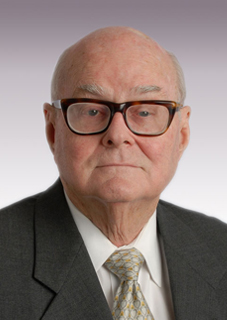
(Sept. 28) – Who knew that a hot summer drive from Pampa, Texas to College Station in the early 1950s would affect the fate of Henry Gilchrist’s success as a lawyer?

Gilchrist had been working his first legal job at a distant relative’s firm in Pampa, even though he and his wife lived in College Station. Trips home involved driving 10 hours with a bucket of ice between them since their car did not have air conditioning.

“It kind of made sense to try to [move] back,” Gilchrist told The Texas Lawbook.

Gilchrist started interviewing for jobs in Dallas, where he met with family friend Gerald C. Mann, who was the former Texas attorney general. Mann’s nickname was “Little Red Arrow” from his days as a star SMU Mustangs football player. Most importantly, he had a connection to the prominent Murchison family’s law firm, and recommended Gilchrist talk to them.

Gilchrist did and in 1952 became the fifth lawyer at Jenkens & Bowen, which later became the successful Jenkens & Gilchrist law firm. He spent decades at the firm representing oil tycoon Clint Murchison and his two sons in deals that attracted national attention, such as the purchase and establishment of the Dallas Cowboys.

Gilchrist advised the Murchisons on many other high-dollar transactions, including the development of the Denver Club Building; the merger between TCO Industries, Inc. and Holiday Inns; the purchase of St. Louis Car Company; the hiring of the Dallas Cowboys Cheerleaders; the contract drafting for Cowboys’ general manager Tex Schramm and Cowboys’ coach Tom Landry; and the development of the Texas Stadium.

“It is both interesting and frightening how small things can affect the course of one’s life,” Gilchrist wrote in a book, titled The First Fifty Years at Jenkens & Gilchrist. “A false move to Pampa and a courtesy call to a family friend certainly impacted my life.”

Former Jenkens & Gilchrist colleagues say Gilchrist’s work brought prominence to Dallas at a time Americans’ memories dwelled on the JFK shooting – which Gilchrist said he witnessed from his office window at 1201 Main St.

“He had a huge impact on increasing the profile of Dallas law firms on a national scale in the 1970s and 1980s,” Austin attorney Bill Parrish told The Texas Lawbook. “He was doing as sophisticated work as anybody in the country at a time when people didn’t recognize Texas firms – especially Dallas firms – for that quality of sophisticated work.”

Albeit a lighter workload, Gilchrist still practices today, at 90 years old. Gilchrist reports to work three days a week at Hunton & Williams. Gilchrist, along with 92 of his colleagues, joined Hunton in 2007, after the demise of Jenkens & Gilchrist.

Gilchrist plans to continue practicing as long as he remains healthy and doesn’t feel any burdens getting to the office. He said his father was a significant influence on him becoming a lawyer. Gilchrist grew up on Texas A&M University’s campus, where his father served as the dean of the engineering school and later became the university’s president and chancellor.

Gilchrist was impressed with the lawyers who worked with his father, so Gibb Gilchrist encouraged his son to pursue law school.

He followed his father’s advice. After leaving college for a few years to defend the Panama Canal in World War II, Gilchrist graduated from A&M in January 1948 with a civil engineering degree. He enrolled in the University of Texas School of Law the following Monday.

“I think the biggest change [in practicing law] is the speed and efficiency with which we work,” Gilchrist said, adding that technological advances such as the iPad “help with the efficiency but not with the guts of what you’re doing.”[/fusion_text][/fusion_builder_column][/fusion_builder_row][/fusion_builder_container]

Jim Sales: A Leader in Court and at the Bar

[fusion_builder_container hundred_percent=”yes” overflow=”visible”][fusion_builder_row][fusion_builder_column type=”1_4″ last=”no” spacing=”yes” center_content=”no” hide_on_mobile=”no” background_color=”” background_image=”” background_repeat=”no-repeat” background_position=”left top” border_position=”all” border_size=”0px” border_color=”” border_style=”” padding=”” margin_top=”” margin_bottom=”” animation_type=”” animation_direction=”” animation_speed=”0.1″ class=”” id=””][fusion_imageframe lightbox=”no” lightbox_image=”” style_type=”none” hover_type=”none” bordercolor=”” bordersize=”0px” borderradius=”0″ stylecolor=”” align=”none” link=”” linktarget=”_self” animation_type=”0″ animation_direction=”down” animation_speed=”0.1″ hide_on_mobile=”no” class=”” id=””] [/fusion_imageframe][/fusion_builder_column][fusion_builder_column type=”3_4″ last=”yes” spacing=”yes” center_content=”no” hide_on_mobile=”no” background_color=”” background_image=”” background_repeat=”no-repeat” background_position=”left top” border_position=”all” border_size=”0px” border_color=”” border_style=”” padding=”” margin_top=”” margin_bottom=”” animation_type=”” animation_direction=”” animation_speed=”0.1″ class=”” id=””][fusion_text]By Janet Elliott
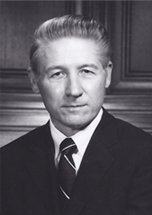

(Sept. 28) – As a lawyer defending General Motors in a product liability case, James B. Sales once drove a Cadillac at a high rate of speed around a wicked curve on Texas Highway 77 near LaGrange to test an injured driver’s theory that brake failure caused the accident.

“At the speed the man had testified to driving, I could keep the Cadillac in the proper lane even though it was a very curved and treacherous piece of highway,” Sales says. When the jury saw video of a similar demonstration, the case was locked up.

Sales cut his teeth as a young litigator defending corporations in products liability cases. He served as “bag carrier and motion arguer” in a six-week trial concerning the 1959 crash of a Braniff flight en route from Houston to Dallas.

The deceased passengers’ families were represented by John Hill, a prominent lawyer who would go on to become attorney general of Texas and chief justice of the Texas Supreme Court. Hill was testing a new theory involving metal fatigue and other defects in the plane’s design. At the time, courts in only two states, California and New Jersey, had developed product liability through case law.

jsalesP1The Fulbright team lost the Braniff case, but Sales began keeping notes on every product liability case in Texas. By the late 1960s, the Texas Supreme Court had adopted products liability and the litigation exploded. Sales’ notebook became a treatise on product liability law in Texas and he later co-authored a six-volume series on general torts and remedies.

Sales headed the litigation department at Fulbright & Jaworski for 20 years, overseeing its expansion from 80 to 240 attorneys. During that time, he witnessed the transformation of litigation from tort-centered cases to massive commercial cases such as those involving failed energy company deals.

“Those cases involved so much money that it increasingly attracted the people who had been very good for a long time in torts and other things,” says Sales, now of counsel to Norton Rose Fulbright.

As Sales’ legal practice thrived, he wanted to help improve the profession, particularly for low-income Texans who needed help with civil legal matters. Elected as president of the Houston Bar Association in 1980, Sales launched a program to get lawyers to volunteer their time and established the Houston Bar Foundation to help fund legal services.

Sales was elected president of the State Bar of Texas in 1988. He oversaw the adoption of a plan to prohibit improper solicitation of disaster victims and the adoption of a new Texas Disciplinary Rules of Professional Conduct. From 2004 to 2010 Sales served as chairman of the Texas Access to Justice Commission, which coordinates the statewide delivery of legal services to low-income Texans.

Of all his accomplishments, the one that still brings tears to his eyes is an engraved plate he received in 1995 for establishing the Texas Lawyer Assistance Program, a network of lawyers helping lawyers who are struggling with substance abuse. Initially opposed by some who thought the program would be a way for lawyers to avoid being held accountable for actions that hurt clients, Sales believes the program has helped thousands of lawyers.

“It’s always nice to know the results of a lot of hard work do produce some tangible results,” he says.[/fusion_text][/fusion_builder_column][/fusion_builder_row][/fusion_builder_container]

Rusty Hardin Loves Juries and Juries Love Him

[fusion_builder_container hundred_percent=”yes” overflow=”visible”][fusion_builder_row][fusion_builder_column type=”1_4″ last=”no” spacing=”yes” center_content=”no” hide_on_mobile=”no” background_color=”” background_image=”” background_repeat=”no-repeat” background_position=”left top” border_position=”all” border_size=”0px” border_color=”” border_style=”” padding=”” margin_top=”” margin_bottom=”” animation_type=”” animation_direction=”” animation_speed=”0.1″ class=”” id=””][fusion_imageframe lightbox=”no” lightbox_image=”” style_type=”none” hover_type=”none” bordercolor=”” bordersize=”0px” borderradius=”0″ stylecolor=”” align=”none” link=”” linktarget=”_self” animation_type=”0″ animation_direction=”down” animation_speed=”0.1″ hide_on_mobile=”no” class=”” id=””] [/fusion_imageframe][/fusion_builder_column][fusion_builder_column type=”3_4″ last=”yes” spacing=”yes” center_content=”no” hide_on_mobile=”no” background_color=”” background_image=”” background_repeat=”no-repeat” background_position=”left top” border_position=”all” border_size=”0px” border_color=”” border_style=”” padding=”” margin_top=”” margin_bottom=”” animation_type=”” animation_direction=”” animation_speed=”0.1″ class=”” id=””][fusion_text]By Mark Curriden

(Sept. 29) – Rusty Hardin was cross-examining Anna Nicole Smith in a case in which the 26-year-old former Playboy centerfold sought hundreds of millions of dollars from the estate of her deceased husband, 89-year-old J. Howard Marshall II.

“How do you spend $100,000 a week?” he asked.

“Rusty, you have to understand,” answered Smith, clutching a portrait of her deceased husband near her heart in full view of the jury. “It’s very expensive being me.”

“Mrs. Marshall, have you been taking new acting lessons?” Hardin asked.

“Screw you, Rusty,” she replied.

“That trial was 16 years ago, but people still yell out that line to me,” Hardin says. “Last year, I was getting on a plane and this little old gray haired lady in the back yells out, ‘Screw you, Rusty.’ I love it.”

Hardin, who is 73, has won dozens of high-profile cases. He speaks all over the country at bar associations and law schools and civic events, but none generated the publicity that the Smith trial did. Hardin still has people remind him of the case by quoting her three-word response.

“No matter where I go or what other big case I’ve been involved in more recently, people always ask me about Anna Nicole,” he says.

For a guy who barely got into law school, Hardin has won some huge trials.

He convinced a jury that baseball great Roger Clemens was not guilty of perjury. He won acquittals for basketball Hall-of-Famer Calvin Murphy, who was accused of molestation; Houston Oilers QB Warren Moon, who was charged with spousal abuse; and TV evangelist Joel Osteen’s wife, Victoria, who had been accused of assault by a flight attendant. He persuaded prosecutors to drop DUI charges against Houston Rockets coach Rudy Tomjanovich.

And Hardin vigorously defended Arthur Andersen against allegations of obstruction of justice for the one-time accounting giant’s role in shredding critical documents in the Enron scandal. Hardin’s case was rejected at the trial court, as Andersen was convicted, but appellate lawyers used Hardin’s exact arguments and presentation of evidence to convince the U.S. Supreme Court to reverse Andersen’s conviction and set legal precedent in the process.

USA Today reported that Hardin “put up a ferocious fight” and that he “was the star of the six-week trial.”

Following the 2002 trial, Texas Monthly published a 5,000-word profile of Hardin in which the author wrote, “He is all things a great defender must be — raconteur, showman, charmer, tactician, egotist — and he has a ferocious charisma that a rival once described as ‘slicker ’n deer guts on a doorknob.’”

While Hardin appreciates the media and public praise, he says the true satisfaction comes from clients or the families of clients.

“I love it when the deck is stacked against us because it presents a wonderful challenge,” he says. “In the Roger Clemens case, everyone in the country believed he was guilty. After the jury ruled for us, I saw Clemens with his wife and four boys huddled in the courtroom crying. There’s no better feeling.”

Another time, he was boarding a plane in the Charlotte, N.C. airport a couple of years ago when he heard someone calling his name.

“We just want to thank you for saving our son’s life,” said an older man who was getting on the same plane. Seventeen years earlier, Hardin represented their teenaged son in a theft case.

Hardin realized the son was actually a good kid who needed a little guidance and a little mercy from the courts. He convinced the judge to wipe the defendant’s record clean if he stayed out of trouble.

“The parents told me their son had gone on to achieve great things that would not have been possible if he had a criminal record,” Hardin says. “That is the greatest satisfaction as a lawyer, to know that I made a difference in people’s lives. The high-profile cases are interesting, but sometimes it’s the cases that never made the news that are most memorable to me.”

Hardin grew up in rural North Carolina where his dad owned a cotton warehouse. He taught school in Montgomery, Ala. and then enlisted in the Army, where he served a tour in Vietnam.

At age 31, he decided to go to school to become a lawyer, but 22 of the 23 law schools to which he applied rejected him.

“Thank God for SMU,” he says. “Thank God SMU looked beyond LSATs and standardized testing.”

Hardin spent the first 14 years of his career as a prosecutor in Harris County, where he sent 14 people to death row. The State Bar of Texas named him “Prosecutor of the Year” in 1989.

“I think the biggest surprise to me is how my career has gone,” he says. “I still think of myself as a prosecutor doing auto theft cases. Part of it is luck, but part of it is just how much I love being a lawyer.

“I love what I do so much that sometimes I forget to go home at the end of the day,” he says.[/fusion_text][/fusion_builder_column][/fusion_builder_row][/fusion_builder_container]