Eduardo Rodriguez: The Lawyer to Call in South Texas

[fusion_builder_container hundred_percent=”yes” overflow=”visible”][fusion_builder_row][fusion_builder_column type=”1_4″ last=”no” spacing=”yes” center_content=”no” hide_on_mobile=”no” background_color=”” background_image=”” background_repeat=”no-repeat” background_position=”left top” border_position=”all” border_size=”0px” border_color=”” border_style=”” padding=”” margin_top=”” margin_bottom=”” animation_type=”” animation_direction=”” animation_speed=”0.1″ class=”” id=””][fusion_imageframe lightbox=”no” lightbox_image=”” style_type=”none” hover_type=”none” bordercolor=”” bordersize=”0px” borderradius=”0″ stylecolor=”” align=”none” link=”” linktarget=”_self” animation_type=”0″ animation_direction=”down” animation_speed=”0.1″ hide_on_mobile=”no” class=”” id=””] [/fusion_imageframe][/fusion_builder_column][fusion_builder_column type=”3_4″ last=”yes” spacing=”yes” center_content=”no” hide_on_mobile=”no” background_color=”” background_image=”” background_repeat=”no-repeat” background_position=”left top” border_position=”all” border_size=”0px” border_color=”” border_style=”” padding=”” margin_top=”” margin_bottom=”” animation_type=”” animation_direction=”” animation_speed=”0.1″ class=”” id=””][fusion_text]By Mark Curriden
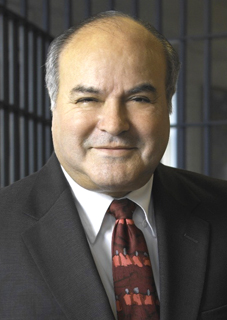
(Oct. 19) – Eduardo Rodriguez weighed less than four pounds when he was born. When his older sisters spotted him in the hospital nursery for the first time, they called him Pee Wee and the name stuck.

“No one ever called me anything other than Pee Wee,” he says. “When I was nine, my dad was filling out some official papers and he had to list his children. For me, he wrote down ‘Pee Wee.’ They told my dad that they needed my real name and my dad had to call my mom to remind him what it was.

“I was Pee Wee until I got my first job and the lawyer said he wanted me to use my real name,” says Rodriguez, who is a native of Edinburg and is now a partner at Atlas, Hall & Rodriguez in Brownsville.

While family and friends still call him Pee Wee, corporate executives at Ford Motor Co., Union Pacific, 3M and General Motors have Eduardo Rodriguez on speed dial when they are sued in South Texas.

Deep pocket defendants realize that juries in the Valley are known for their eight, nine and 10-digit verdicts against big businesses. Their only shot at a level playing field is getting Rodriguez to join the defense team.

“This region can be a tough place for a large corporation to defend itself against allegations of defective products and cover up,” he says. “But if you have the facts on your side, you just have to know how to explain it to people here. Juries here seek the truth and want justice. You just need to show them what justice is.”

At age 17, Rodriguez left home for the first time in 1961 for Washington, D.C., where he attended college at George Washington University. He worked part-time for four years in the Capital Building operating the elevator right outside the U.S. House chambers.

“It was an incredible time to be there,” he says. “The Cuban Missile Crisis, the assassination of President Kennedy, the passage of the Civil Rights Act and Voting Rights Act – it all happened while I was there. I was paid $350 a month.”

After college, he attended the University of Texas School of Law, where he graduated in 1968.

Rodriguez’s first trial as the lead lawyer came in 1969, when he represented a worker on a shrimp boat who had been injured on the job. The trial lasted three days and the jury was out for more than four hours.

“I still remember waiting for that jury to come back with a verdict,” he says. “I was so nervous. The thing is, that nervousness returns during every trial, even now.”

The jury awarded Rodriguez’s client $25,000.

In the 45 years that followed, Rodriguez has been involved in some of the biggest products liability lawsuits and class actions. He defended Jeep in the roll over cases. He represented the railroad companies in wrongful death allegations. Ford called Rodriguez to defend the automaker in the Mustang explosion cases and again in the Firestone tires blowout class action cases.

Rodriguez’s favorite courtroom victory involved a tragic car crash in 1992 that took the life of Enrique Tamaz, who was hit by a drunk driver while going through an intersection. His widow sued Ford for $1 million, claiming the door of the car he was driving was defective and caused his death when the car rolled over.

“Ford actually gave us the money to settle the case while the jury was deliberating but we made the decision to go for it and not make the offer to the plaintiff,” he says. “We were very nervous waiting for the jury to come back with a decision.”

After only 45 minutes of deliberating, the jury ruled for Ford on every count.

A few years later, Rodriguez represented a trucking company that was being sued in a wrongful death case in Zepata County. A car slid under the oil tanker and the plaintiff’s lawyer argued the truck was unsafe because it didn’t have safety rails on the side.

“The plaintiff’s lawyer grew up there and he personally knew 40 of the 44 prospective jurors,” he says. “One was his 8th grade teacher. I noticed he never asked the 45th juror if she knew him. Come to find out, she was his sister.”

Despite the hometown advantage for the plaintiff, Rodriguez put up a strong defense and convinced the plaintiff’s lawyer to settle the case for a reasonable amount.

Every once in a while, Rodriguez will tackle a criminal case. In 1998, he agreed to defend Susan Mowbray against charges she murdered her husband in order to get his $1.8 million life insurance payout. Mowbray had been convicted a decade earlier and served nine years in prison, but the conviction had been reversed because the prosecutors had withheld evidence from the defense lawyers.

Rodriguez argued that Mowbray’s husband committed suicide because he faced severe financial troubles at his Cadillac dealership and the Internal Revenue Service was investigating him.

But the key testimony for the defense came from Mowbray’s banker who told jurors that Mowbray pleaded for a loan just days before his death and said he would kill himself if he didn’t get.

The jury found the defendant not guilty.


But Rodriguez says the highlight of his career has been the opportunity to practice law with his sons, Michael and Patrick, who are also lawyers at Atlas Hall.


“There is no bigger thrill than to work on a case with them and see them in action in court,” he says. “I am truly blessed.”[/fusion_text][/fusion_builder_column][/fusion_builder_row][/fusion_builder_container]
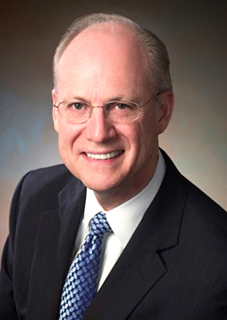
Martin Beirne: The Game Changer

[fusion_builder_container hundred_percent=”yes” overflow=”visible”][fusion_builder_row][fusion_builder_column type=”1_4″ last=”no” spacing=”yes” center_content=”no” hide_on_mobile=”no” background_color=”” background_image=”” background_repeat=”no-repeat” background_position=”left top” border_position=”all” border_size=”0px” border_color=”” border_style=”” padding=”” margin_top=”” margin_bottom=”” animation_type=”” animation_direction=”” animation_speed=”0.1″ class=”” id=””][fusion_imageframe lightbox=”no” lightbox_image=”” style_type=”none” hover_type=”none” bordercolor=”” bordersize=”0px” borderradius=”0″ stylecolor=”” align=”none” link=”” linktarget=”_self” animation_type=”0″ animation_direction=”down” animation_speed=”0.1″ hide_on_mobile=”no” class=”” id=””] [/fusion_imageframe][/fusion_builder_column][fusion_builder_column type=”3_4″ last=”yes” spacing=”yes” center_content=”no” hide_on_mobile=”no” background_color=”” background_image=”” background_repeat=”no-repeat” background_position=”left top” border_position=”all” border_size=”0px” border_color=”” border_style=”” padding=”” margin_top=”” margin_bottom=”” animation_type=”” animation_direction=”” animation_speed=”0.1″ class=”” id=””][fusion_text]By General Motors General Counsel Craig Glidden

HOUSTON (Oct. 12) – When your Irish Catholic mother suggests that you would make a good lawyer, it’s either a comment about how much you like to argue, a genuine career suggestion or both. In either case, given the source, it’s not to be taken lightly.

Marty Beirne became a lawyer.

Marty is a Vietnam-era Army veteran. He was a partner at Fulbright & Jaworski. And he, along with Bill Maynard and Jeff Parsons, founded Beirne, Maynard & Parsons in 1987 on the premise that there was a better way to provide litigation services.

Marty does not like to talk about his personal history much. Although his accomplishments as a civil trial lawyer have been both numerous and impressive, he would prefer to talk about the accomplishments of his firm.

And if anything has been the hallmark of the firm’s success, it has been Marty’s refusal to accept the status quo. Marty refused to believe that a firm’s size determined its capability or the kind of clients it could attract and serve.

Even as a law student at St. Mary’s University School of Law, Marty was inclined to question the way things were, in particular why the school did not have a law review of its own.

“I’m not exactly sure what made me think that some kid could just arrive one day and start a law review,” he says. “The interesting thing was that nobody told me that I had no business thinking about law reviews that weren’t already in the library – that such things were for my elders and betters.”

Marty and his fellow students convinced the powers-that-be that they were capable of producing a world-class law review, and he was selected to serve as its founding editor-in-chief. Today, St. Mary’s Law Journal is one of the most often cited law reviews in the country.

Marty’s commitment to his law school, to the bar, and to the profession of law has never diminished, and one has only to read his resume to marvel at the energy that has allowed him to accomplish all that he has achieved for clients as their trial counsel as well as to raise three children of whom he is justifiably proud.

Marty’s first trial was a health insurance coverage/fraud case in Anderson, Texas. To win, he had to park his red sports car far from town and rely on a sympathetic rancher for a ride to the courthouse, having heard that “big city lawyers” were not very popular in Anderson. True to form, what he is quickest to acknowledge is that others helped make his wins possible.

Marty has always been about possibilities and has represented clients on many different stages.

In the 1980s, when he was hired to serve as lead counsel for General Motors in a three-year litigation campaign to stop the counterfeiting of motor vehicle parts, he found himself trying cases throughout the United States that resulted in seizure of hundreds of millions of dollars in counterfeit materials, as well as an assortment of permanent injunctions and payments to GM.

At the same time, he helped draft and implement anti-counterfeiting statutes and enforcement procedures in Saudi Arabia, Kuwait, and the UAE.

Years later, no stranger to international legal matters, Marty was counsel for Conoco Phillips when its offshore oil and gas concession granted by the government of East Timor was challenged by another company. Marty successfully defended the international energy company against allegations of RICO and antitrust violations and theft of trade secret claims.

Law firms and lawyers are notorious for resistance to change, but that has never been part of Marty Beirne’s DNA. If you ask the firm’s clients, they will tell you that Marty can see around corners. When the economics of corporate law departments came under close scrutiny, with GCs under pressure to reduce costs, rather than resisting change, Marty was among the leaders in developing and implementing alternative fee arrangements to support clients’ efforts to become leaner.

At the same time, as clients began looking for greater efficiencies from outside counsel, Marty oversaw Beirne, Maynard & Parsons’ implementation of early case assessment procedures that would reduce litigation costs. Law firms and lawyers are notorious for resistance to change, but if Marty sees a train speeding his way, he will build a station before it arrives.

“As a trial lawyer,” Marty says, “you have to be able to understand, acknowledge, appreciate and communicate with your client. You have to make sure their interests are protected. You are not just carrying your own flag or the firm’s flag.”

Ultimately, Marty’s refusal to accept limitations allowed the firm to evolve into one of the finest litigation-only law firms in the country, with a reputation among Fortune 500 clients equal to that of an AmLaw 100 firm’s litigation practice. Yet the firm has the client service advantages of a boutique, including decades-long personal ties with clients and exceptional responsiveness. You might say that Marty and his partners created the niche the firm now occupies.

About molding the firm he founded in the shape of his vision, Marty observes, “You really don’t manage trial lawyers, you lead them. And if you’re lucky, they will follow.” Follow they did.

Craig Glidden is the executive vice president and general counsel at General Motors. He is also a long-time client and close friend of Martin Beirne.[/fusion_text][/fusion_builder_column][/fusion_builder_row][/fusion_builder_container]

Diversity Champion Cathy Lamboley Reformed GC Suite

[fusion_builder_container hundred_percent=”yes” overflow=”visible”][fusion_builder_row][fusion_builder_column type=”1_4″ last=”no” spacing=”yes” center_content=”no” hide_on_mobile=”no” background_color=”” background_image=”” background_repeat=”no-repeat” background_position=”left top” border_position=”all” border_size=”0px” border_color=”” border_style=”” padding=”” margin_top=”” margin_bottom=”” animation_type=”” animation_direction=”” animation_speed=”0.1″ class=”” id=””][fusion_imageframe lightbox=”no” lightbox_image=”” style_type=”none” hover_type=”none” bordercolor=”” bordersize=”0px” borderradius=”0″ stylecolor=”” align=”none” link=”” linktarget=”_self” animation_type=”0″ animation_direction=”down” animation_speed=”0.1″ hide_on_mobile=”no” class=”” id=””] [/fusion_imageframe][/fusion_builder_column][fusion_builder_column type=”3_4″ last=”yes” spacing=”yes” center_content=”no” hide_on_mobile=”no” background_color=”” background_image=”” background_repeat=”no-repeat” background_position=”left top” border_position=”all” border_size=”0px” border_color=”” border_style=”” padding=”” margin_top=”” margin_bottom=”” animation_type=”” animation_direction=”” animation_speed=”0.1″ class=”” id=””][fusion_text]By Mark Curriden

HOUSTON (Oct. 12) – The year was 1996. Shell Oil officials brought together a group of its senior executives and lawyers to discuss internal corporate policies and practices. No topic was off limits.

Cathy Lamboley, a 46-year-old former schoolteacher and former insurance claims adjuster-turned-business lawyer, attended the retreat. For 17 years, Lamboley kept her head down, learned the business and steadily worked her way up the ladder within the energy company’s legal department to become an assistant general counsel.

To conform in a nearly all white male environment, she wore gray and dark blue business suits. She left her favorite, more flamboyant jewelry at home. Mostly, she kept silent about her more liberal social and political leanings.

Her silence ended at the retreat, where Lamboley unloaded on her colleagues about the pressures faced by women and minorities in the workplace. She said innovative ideas were being suppressed – intentionally or unintentionally – due to the department’s conservative atmosphere.

“I was very blunt with everyone that our culture so promoted conformity that it forced people to change who they are,” she says. “I knew there were some people who didn’t like what I had to say. It showed people that I could be tough and speak out to high-level leadership, even on issues they might not want to hear about.”

Senior Shell Oil executives appreciated Lamboley’s courage to speak out and the message she delivered.

Four years later, leaders at the second largest oil company in the world asked Lamboley to be its senior vice president and general counsel. Lamboley agreed to accept the job if the company would allow her to implement monumental changes in how it did business, according to lawyers familiar with the situation.

Shell executives not only consented, they let Lamboley know she had their full support.

Between 2000 and 2007, Lamboley and her team dramatically reformed how the corporate legal team did business. At the time, Shell employed 140 in-house counsel. In addition the company paid $50 million a year to more than 600 outside law firms to handle legal matters ranging from labor/employment and contract disputes to environmental regulatory matters and commercial disputes with business partners.

“We realized that having 600 law firms working for us was completely ridiculous, so we decided to develop criteria that would guide to a much smaller group of law firms that would do nearly all of our outside legal work,” she says. “The four measures were cost effectiveness, quality, professionalism and diversity.”

Within two years, Shell whittled the number of its outside law firms down to 28. Soon, other large corporations followed Lamboley’s lead by developing “beauty contests” of their own that required law firms to showcase their expertise while also demonstrating cost savings and value for the company.

Of course, Lamboley will forever be known for her commitment to diversity. She started internally, by hiring and promoting women and ethnic minorities. By the time of her retirement, women comprised nearly half of Shell’s corporate legal department and minorities nearly one-fourth.

“I had to decide how I wanted to use my position internally and externally,” she says. “Shell was committed to diversity as an important business strategy and we decided we needed to apply that strategic priority to our outside vendors, including law firms. The legal profession was suffering by not tapping into the diversity around them.

“We told law firms who we wanted as the contact lawyer and who specifically we wanted working on our projects,” Lamboley says. “We tracked billing because we wanted minority lawyers to get the work and the credit.”

Lamboley says the decision to slash the number of outside law firms caused waves internally, as many long-time Shell lawyers had close business relationships with many of the law firms that were cut.

“The outside law firms were upset because they felt we were mucking in the management of their law firms, but I made it clear that this was our money and these were our priorities,” she says. “Some law firms thought our efforts were the right thing to do and welcomed the outside pressure. Others probably didn’t care and just played along to get the legal work.”

Lawyers who work with Lamboley say her diversity efforts frequently overshadow the fact that she was an excellent lawyer who repeatedly demonstrated her expertise in oil and gas regulatory and environmental matters. Her knowledge and insight into the refinery industry was so superb that Shell executives begged her to leave the legal department to become a vice president for commercial marketing in the company’s global downstream business.

“Well before Cathy became known for championing diversity, Cathy had the reputation as a damn good oil and gas lawyer,” Paula Hinton, an energy litigation partner at Winston & Strawn in Houston, said in introducing her long-time friend at a legal conference in 2008. “On diversity, Cathy took the written pledges that sought commitments to diversity from businesses and law firms and she turned them into policy and she enforced them and she showed the world that diversity is good business, including for law firms.”

Lamboley, who retired in 2007, still preaches the message of diversity as a founder of the Center for Women in Law at the University of Texas School of Law.

“Everywhere I speak, I have a diversity lawyer or two approach me and tell me that Shell’s policies had a real and positive impact on their career,” she says. “That makes it all worth it.”[/fusion_text][/fusion_builder_column][/fusion_builder_row][/fusion_builder_container]

A Judge of Distinction & Substance: Meet the Hon. Carolyn King

[fusion_builder_container hundred_percent=”yes” overflow=”visible”][fusion_builder_row][fusion_builder_column type=”1_4″ last=”no” spacing=”yes” center_content=”no” hide_on_mobile=”no” background_color=”” background_image=”” background_repeat=”no-repeat” background_position=”left top” border_position=”all” border_size=”0px” border_color=”” border_style=”” padding=”” margin_top=”” margin_bottom=”” animation_type=”” animation_direction=”” animation_speed=”0.1″ class=”” id=””][fusion_imageframe lightbox=”no” lightbox_image=”” style_type=”none” hover_type=”none” bordercolor=”” bordersize=”0px” borderradius=”0″ stylecolor=”” align=”none” link=”” linktarget=”_self” animation_type=”0″ animation_direction=”down” animation_speed=”0.1″ hide_on_mobile=”no” class=”” id=””] [/fusion_imageframe][/fusion_builder_column][fusion_builder_column type=”3_4″ last=”yes” spacing=”yes” center_content=”no” hide_on_mobile=”no” background_color=”” background_image=”” background_repeat=”no-repeat” background_position=”left top” border_position=”all” border_size=”0px” border_color=”” border_style=”” padding=”” margin_top=”” margin_bottom=”” animation_type=”” animation_direction=”” animation_speed=”0.1″ class=”” id=””][fusion_text]By Michelle Hartman

(Oct. 12) – Judge Carolyn King celebrated her 36th year on the bench this year. President Jimmy Carter nominated her to the United States Court of Appeals for the Fifth Circuit on April 30, 1979, based on the recommendation of Texas U.S. Senator Lloyd Bentsen.

Aside from the countless awards that have been bestowed upon Judge King at both the state and national level, she counts among her triumphs serving as the first woman Chief Judge of the Fifth Circuit Court of Appeals and chairing (again as the first woman) the Executive Committee, which oversees the whole Federal Judiciary.

She approached both positions with the grace and steadiness we have come to expect from her — spearheading a $6 billion cost containment strategy for the Federal Judiciary during her tenure on the Executive Committee, and leading the Fifth Circuit successfully through critical times marked by hundreds of judicial employees displaced following hurricanes Katrina and Rita and by overloaded courts along the Southwest border.  Her legacy in that regard will be as the single most important figure in guiding the courts through one of its worst financial crises.

Judge King is known for being a brilliant, prolific jurist and a self-described workaholic. She is recognized for writing with transactional precision and biting wit, and for interrogating lawyers until they are loathe to speak.

She has been the vocal dissent on important topics, such as sovereign immunity and consumer protection rights, and — over time — her dissenting opinions have become circuit precedent and have also been cited and discussed by federal courts across the country, laying testament to her inspiration.

Judge King has been the principal writer on issues of first impression that, as with her dissenting opinions, have inspired the standard followed throughout the country, including in civil rights, constitutional law, and securities space.

Because of an opinion she penned, disability-based harassment claims are recognized under the federal disability act in the Fifth Circuit, and because of her numerous standing and securities decisions, clarity is provided throughout the country on issues such as the requirements for pleading securities fraud claims and the causation requirements for Article III standing.

But when I think of Judge King’s legacy, I see her selfless devotion to mentoring women and serving those in need—traits that may be linked to past experiences in her legal career.

She is a mother of three boys and worked as a corporate lawyer at a large Texas firm in the sixties.  She was passed over for partner for the stated reason that the law firm had assumed she would get pregnant and quit.  And she was turned down for an assistant United States attorney position in Harris County for the stated reason that the then-United States attorney was not ready to hire a woman.

I believe these and other discriminatory events experienced early in Judge King’s legal career molded her with a unique perspective on which to adjudicate.

I can still hear her measured chuckle, made without smiling, as she reminisced on those early years of practice in the 1960s, like the time she recalled fashioning a homemade sling so she could carry two of her children and still hold a briefcase. And I recall how heavily the responsibility of public service weighed on her — particularly when considering writs of habeas corpus from inmates awaiting death sentences.

During her time as chief, her narrow white couch would serve as her bed on nights when an execution was scheduled for the following day, and, while clearly stating that her religious views are not part of her judicial rulings, she is known for her belief that “the assessment of the death penalty, however well designed the system for doing so, remains a human endeavor with a consequent risk of error that may not be remediable.”

Judge King is fond of claiming herself a beneficiary of the Civil Rights Act.  But those of us who worked with her know better.  Her determination is unmatched and has inspired me and legions of similar women to remain committed to legal and judicial careers.

Michelle Hartmann is a securities litigation partner at Sidley Austin in Dallas and clerked for Judge King in 2002-2003.[/fusion_text][/fusion_builder_column][/fusion_builder_row][/fusion_builder_container]

Tom Phillips: The Youngest Chief Justice in Texas History

[fusion_builder_container hundred_percent=”yes” overflow=”visible”][fusion_builder_row][fusion_builder_column type=”1_4″ last=”no” spacing=”yes” center_content=”no” hide_on_mobile=”no” background_color=”” background_image=”” background_repeat=”no-repeat” background_position=”left top” border_position=”all” border_size=”0px” border_color=”” border_style=”” padding=”” margin_top=”” margin_bottom=”” animation_type=”” animation_direction=”” animation_speed=”0.1″ class=”” id=””][fusion_imageframe lightbox=”no” lightbox_image=”” style_type=”none” hover_type=”none” bordercolor=”” bordersize=”0px” borderradius=”0″ stylecolor=”” align=”none” link=”” linktarget=”_self” animation_type=”0″ animation_direction=”down” animation_speed=”0.1″ hide_on_mobile=”no” class=”” id=””] [/fusion_imageframe][/fusion_builder_column][fusion_builder_column type=”3_4″ last=”yes” spacing=”yes” center_content=”no” hide_on_mobile=”no” background_color=”” background_image=”” background_repeat=”no-repeat” background_position=”left top” border_position=”all” border_size=”0px” border_color=”” border_style=”” padding=”” margin_top=”” margin_bottom=”” animation_type=”” animation_direction=”” animation_speed=”0.1″ class=”” id=””][fusion_text]By Mark Curriden
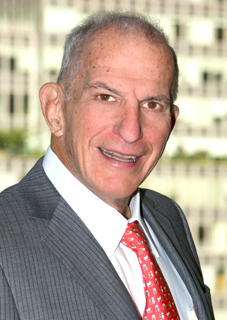
(Oct. 5) – Lots of lawyers say they knew they wanted to practice law when they were kids, but I never met someone who claimed they dreamed of being a judge – until now.

Tom Phillips’ grandmother was a deputy county clerk in Dallas’ Old Red Courthouse.

“I spent a lot of time in court watching the cases and I saw that the judge was the most important person,” Phillips says. “As a teenager, I found that telling people I wanted to be a lawyer or a judge got a lot more positive response than if I told them I wanted to be a cowboy.”

Not only did Phillips make it to the bench, he became one of the longest serving chief justices in Texas history. Many legal experts say he successfully guided the Supreme Court of Texas through a tumultuous time when the court’s integrity and independence was under serious attack.

Phillips, who is 66, was a political science major at Baylor University, even though his dad wanted him to study accounting.

“My father always wanted me to have a job at the end of the tunnel,” he says. “I had to convince him to fork over $2,100 a year so I could go to Harvard Law School, instead of $100 for me to go to the [University of Texas School of Law].”

Phillips clerked for the state Supreme Court and then joined the trial section at Baker Botts.

“Archibald Cox taught us at Harvard that all real lawyers are trial lawyers,” he says.

Only a few months after joining the firm, Phillips got his first taste of the courtroom as the third chair of a high-profile trial. Baker Botts represented Houston Sports Authority, the public entity that owned and operated the Astrodome.

“The Astrodome was built with 20,000 skylights,” Phillips says. “When it rained, those skylights leaked. Games had to be canceled due to rain, which wasn’t supposed to happen in a domed stadium.”

The HSA sued the architect, supplier and builder. Phillips wrote briefs and witness outlines for the lead lawyer, whose name was also Tom Phillips.

“I basically carried his bags, but at least he always remembered my name,” he says.

The jury ruled in favor of the HSA and awarded millions of dollars.

In 1981, Texas Gov. William P. Clements appointed Phillips to the 280th state District Court in Harris County. He won elections in 1982 and 1986.

As a trial judge in Houston, Phillips played a major role in converting the state district courts in Houston from a general trial docket to individual trial dockets. The reform put pressure on the individual judges to move cases along faster.

Not all of Phillips colleagues on the bench favored the transition. One senior judge at a meeting spoke out against the plan: “Our young Harvard friend has baked a hasty pudding,” he said, referring to the Harvard theatrical club.

In 1986, the Republican judges in Harris County decided to campaign for re-election jointly under the theme that they were tougher on crime than their Democratic opponents. Phillips refused to participate.

In January 1988, Clements appointed Phillips to the Supreme Court of Texas, making him the youngest chief justice in the state’s history. He joined the court one year after 60 Minutes broadcast its exposé called “Justice for Sale,” which highlighted campaign contributions to the justices on the state’s highest court by lawyers who practice before them.

Phillips used his position to criticize Texas’s method of selecting judges through partisan elections. While he was never able to convince state officials to reform judicial elections, court followers say his leadership provided a sense of renewed respect and dignity to the Supreme Court as an institution.

During nearly 17 years as chief justice, he authored several groundbreaking decisions. In 1988, he wrote a dissenting opinion arguing that Texas laws capping damages in medical malpractice cases were constitutional – a result the Texas Legislature adopted years later through a Constitutional Amendment.

In 1992, he led a majority of justices in clarifying the standard about when a trial judge has so abused her or his authority that it justifies mandamus relief. The next year, he wrote a widely cited concurring opinion stating that the free speech provision of the Texas Constitution could be interpreted more broadly or more narrowly than the First Amendment of the U.S. Constitution. In 1995, he authored the opinion that upheld controversial worker’s compensation reforms.

In 2004, Phillips returned to Baker Botts as a leader in its appellate section. In the decade since he left the Supreme Court, he has authored more than 80 briefs and argued a dozen cases (seven wins, two losses, one tie, one settlement and one case still pending) before the justices. He’s also argued cases before just about every court of appeals in Texas.

In 2014, the Texas Oil and Gas Association hired Phillips to challenge the city of Denton’s efforts to ban hydraulic fracturing in the municipality. Facing a certain defeat in court at the hands of Phillips, Denton officials repealed the ordinance in 2015.

“I didn’t become an accountant, as my dad wanted, but I have loved every minute of being a lawyer and judge,” Phillips says.[/fusion_text][/fusion_builder_column][/fusion_builder_row][/fusion_builder_container]

Steve Susman: Trial Lawyer Rock Star

[fusion_builder_container hundred_percent=”yes” overflow=”visible”][fusion_builder_row][fusion_builder_column type=”1_4″ last=”no” spacing=”yes” center_content=”no” hide_on_mobile=”no” background_color=”” background_image=”” background_repeat=”no-repeat” background_position=”left top” border_position=”all” border_size=”0px” border_color=”” border_style=”” padding=”” margin_top=”” margin_bottom=”” animation_type=”” animation_direction=”” animation_speed=”0.1″ class=”” id=””][fusion_imageframe lightbox=”no” lightbox_image=”” style_type=”none” hover_type=”none” bordercolor=”” bordersize=”0px” borderradius=”0″ stylecolor=”” align=”none” link=”” linktarget=”_self” animation_type=”0″ animation_direction=”down” animation_speed=”0.1″ hide_on_mobile=”no” class=”” id=””] [/fusion_imageframe][/fusion_builder_column][fusion_builder_column type=”3_4″ last=”yes” spacing=”yes” center_content=”no” hide_on_mobile=”no” background_color=”” background_image=”” background_repeat=”no-repeat” background_position=”left top” border_position=”all” border_size=”0px” border_color=”” border_style=”” padding=”” margin_top=”” margin_bottom=”” animation_type=”” animation_direction=”” animation_speed=”0.1″ class=”” id=””][fusion_text]By Janet Elliott
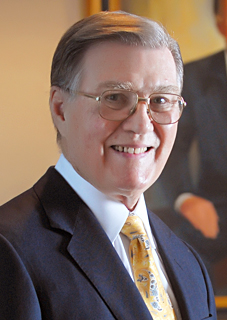
(Oct. 6) – Ten years ago, when he turned 65, noted Houston trial lawyer Stephen Susman saw many of his contemporaries at law firms face mandatory retirement. Some took to the golf course and downsized their lifestyles.

Not Susman, who loves being a trial lawyer rock star.

“I didn’t want to retire, I wanted to upsize,” he says. “I wanted a bigger life, bigger airplane, bigger everything.”

Desiring to spend more time with his three grandchildren in New York, Susman hired a secretary and opened a small office. As has happened so often in his legal career, Susman’s move coincided with an opportunity – the financial crisis.

“What began as my old-age frolic suddenly became an incredible opportunity for our firm,” he says. “It totally reinvigorated me to come up here and really start from scratch.”

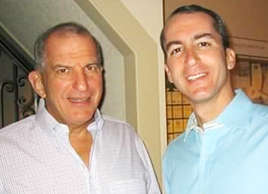
Susman Godfrey now has almost 20 lawyers in its New York office and 70 more in offices in Los Angeles, Seattle, and Houston, where son Harry Susman is a partner.

Susman describes his career as entrepreneurial and risk-taking. In the mid-1970s, he took a leave of absence from his partnership at Fulbright & Jaworski to be a law professor at the University of Texas. Unsure what to do next, he credits his wife with pushing him back into practice just as a commercial litigation boom was hitting Houston.

Susman soon found himself at the center of the huge Corrugated Container price-fixing case after he was selected to lead the plaintiffs’ steering committee. After a three-month trial in 1980, the plaintiffs won a jury verdict quantified at $700 million, which was the largest at the time. The case settled for $500 million.

Steve with son, Harry, a partner at the firm.

“Right at the beginning of my entrepreneurial career, I had a case which allowed me to be the ultimate entrepreneur. It allowed me to get my name out there,” he says.

He built his practice representing clients in contingency fee commercial litigation cases, and the payoff was often great in pre-tort-reform Texas. “I was lucky that my firm got going in the Golden Age of the trial lawyers in Texas,” Susman says. “We’re now in the Dark Ages.”

When the Texas Supreme Court threw out his verdicts and the state legislature restricted lawsuit damages, Susman diversified his firm’s practice to include hourly-fee defense work. One of his biggest wins was a $1.1 billion settlement for Texas Instruments in a 1996 breach of contract and fraud case brought by Samsung.

This fall, Susman began another new enterprise, teaching New York University law students how to try jury cases. He also directs NYU’s Civil Law Project, which seeks to save jury trials from near extinction. The project’s website says civil jury trials in Texas dropped from 3,369 in 1997 to fewer than 1,200 in 2012.

Susman thinks back four decades to a time when three of the world’s six largest law firms were in Houston.

“How much has changed?” he says. “Now none of those firms are among the largest in the world. The Texas firms have gone from being the giants and it is largely because, I think, there has been a great decline in litigation in Texas.”

Steve Susman says that he was able to become one of the giants of the trial bar because he was practicing in Texas at a time when jury trials were plentiful. The opportunity to try dozens of cases is unlikely for younger generations of litigators like his son.

“It would be very difficult for him to accomplish what I’ve accomplished as a trial lawyer in a world where trials are disappearing and trial lawyers are no longer recognized as rock stars,” says Susman.[/fusion_text][/fusion_builder_column][/fusion_builder_row][/fusion_builder_container]

Dee Kelly: The Most Influential Lawyer in Fort Worth History

[fusion_builder_container hundred_percent=”yes” overflow=”visible”][fusion_builder_row][fusion_builder_column type=”1_4″ last=”no” spacing=”yes” center_content=”no” hide_on_mobile=”no” background_color=”” background_image=”” background_repeat=”no-repeat” background_position=”left top” border_position=”all” border_size=”0px” border_color=”” border_style=”” padding=”” margin_top=”” margin_bottom=”” animation_type=”” animation_direction=”” animation_speed=”0.1″ class=”” id=””][fusion_imageframe lightbox=”no” lightbox_image=”” style_type=”none” hover_type=”none” bordercolor=”” bordersize=”0px” borderradius=”0″ stylecolor=”” align=”none” link=”” linktarget=”_self” animation_type=”0″ animation_direction=”down” animation_speed=”0.1″ hide_on_mobile=”no” class=”” id=””] [/fusion_imageframe][/fusion_builder_column][fusion_builder_column type=”3_4″ last=”yes” spacing=”yes” center_content=”no” hide_on_mobile=”no” background_color=”” background_image=”” background_repeat=”no-repeat” background_position=”left top” border_position=”all” border_size=”0px” border_color=”” border_style=”” padding=”” margin_top=”” margin_bottom=”” animation_type=”” animation_direction=”” animation_speed=”0.1″ class=”” id=””][fusion_text]By Mark Curriden

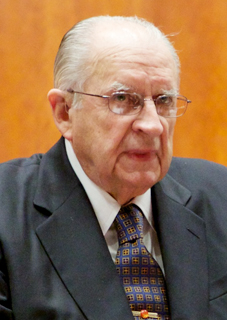
Fort Worth (Oct. 6) – For six decades, legendary oil and gas lawyer Dee Kelly was involved in the biggest deals and the most important lawsuits in Tarrant County.

He was the chief legal adviser for the Bass family, American Airlines, the Texas Rangers, private equity firm TPG Capital, Kimbell Oil Company, Moncrief Oil and boot manufacturer John Justin.

Kelly founded the law firm Kelly, Hart & Hallman, which is the largest firm in Fort Worth. And he was a key advocate for American Airlines and the City of Fort Worth in various legal battles against the City of Dallas and Southwest Airlines over the operation of Love Field and enforcement of the Wright Amendment.

Simply put, Dee Kelly was the most influential business and political leaders in the history of Fort Worth. Sadly, he passed away Oct. 2. He was 86.

Dee Kelly with son, Dee Kelly Jr.

“I have loved every minute of being a lawyer and have been honored to work with some extraordinary business and political leaders,” Kelly told The Texas Lawbook in an interview in late September. “I practiced both transactional law and litigation. No lawyers today do both. Litigation was always my favorite.”

Kelly was fiercely loyal to his clients and they were loyal to him.

“Dee was a one man army, a force of nature and a brilliant legal strategist,” said former American Airlines General Counsel Gary Kennedy. “If the airline was in a legal pinch and I needed advice of any kind, not just legal, or help reading the tea leaves of local politics, law firms and judges, he was the person to contact.”

Dee J. Kelly was born in 1929 in Bonham, Texas. His father sold insurance. His mother worked in a cotton mill.

Kelly attended the night law school program at George Washington University and worked during the day as a clerk for U. S. Speaker of the House Sam Rayburn, a fellow Texan he met while working for his high school newspaper.

He graduated from George Washington in 1954 and returned to North Texas to practice law, where he joined the Texas Railroad Commission as a legal examiner in the oil and gas division.

Fourteen months later, Kelly parlayed his newfound experience and knowledge of oil and gas into a lawyer position at the Cantey Hanger law firm in Fort Worth and later became general counsel of Moncrief Oil.

He opened his own law practice in 1964, where he landed his first big case as a lead lawyer. He represented the daughter of oilman William Fleming in a battle over her father’s estate.

“There was a lot of money at stake and the estate included oil and gas properties and a couple ranches,” Kelly said in the recent interview. “My client, Mary Fleming Walsh, prevailed after two years of litigation and she received nearly all of her father’s estate.

“At the time, I didn’t know the real value of the settlement, but I knew it was big because my client bought a $10 million life insurance policy on me in case I did not survive the trial,” he said. “There were times during that case where I thought she might just collect on that policy.”

Kimbell Oil Company hired Kelly to represent it in a conflict with Rio Grande Valley Gas Co. Kimbell had drilled several gas wells, but Rio Grande refused to connect the wells to its pipeline system.

He convinced the state Railroad Commission to order the pipeline to connect to all the wells in the field. When a Travis County district judge reversed the Railroad Commission, Kelly successfully appealed to the Texas Supreme Court, which handed a complete victory to his client.

Along the way, Kelly met Sid Bass, president of Bass Brothers Enterprises. By the mid-1970s, Kelly spent hundreds of hours a month doing legal work on oil and gas projects for the Bass brothers.

On March 1, 1979, Kelly Hart opened its doors. The firm now has more than 130 lawyers in Fort Worth, Austin and Houston.

“My dad grew to love Fort Worth and he had his hand in virtually everything that went on here,” Dee Kelly Jr. said in an interview Sunday. “But he was a lawyer first. He loved the art and craft of practicing law.”

“Dee was a fast talker and used Texas euphemisms that perfectly fit every situation and often kept me smiling,” Kennedy said. “He was the consummate gentleman and a generous soul.”[/fusion_text][/fusion_builder_column][/fusion_builder_row][/fusion_builder_container]

The Honorable Tom Reavley: Seven Decades of Legal Service

[fusion_builder_container hundred_percent=”yes” overflow=”visible”][fusion_builder_row][fusion_builder_column type=”1_4″ last=”no” spacing=”yes” center_content=”no” hide_on_mobile=”no” background_color=”” background_image=”” background_repeat=”no-repeat” background_position=”left top” border_position=”all” border_size=”0px” border_color=”” border_style=”” padding=”” margin_top=”” margin_bottom=”” animation_type=”” animation_direction=”” animation_speed=”0.1″ class=”” id=””][fusion_imageframe lightbox=”no” lightbox_image=”” style_type=”none” hover_type=”none” bordercolor=”” bordersize=”0px” borderradius=”0″ stylecolor=”” align=”none” link=”” linktarget=”_self” animation_type=”0″ animation_direction=”down” animation_speed=”0.1″ hide_on_mobile=”no” class=”” id=””] [/fusion_imageframe][/fusion_builder_column][fusion_builder_column type=”3_4″ last=”yes” spacing=”yes” center_content=”no” hide_on_mobile=”no” background_color=”” background_image=”” background_repeat=”no-repeat” background_position=”left top” border_position=”all” border_size=”0px” border_color=”” border_style=”” padding=”” margin_top=”” margin_bottom=”” animation_type=”” animation_direction=”” animation_speed=”0.1″ class=”” id=””][fusion_text]By Justice Jeff Boyd
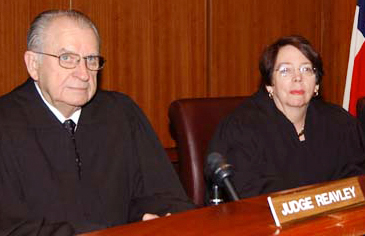

AUSTIN (Oct. 1) – When Tom Reavley preached his first sermon in 1935, the 13-year-old tried to convince his East Texas church that racial prejudice and segregation are incompatible with the Christian faith. Although he continued to serve as a Methodist lay preacher for decades, his passion for equity, morality and justice—though not always well-received—led him to a lifetime of much broader public service.

Born in Quitman in 1923, Reavley graduated from the University of Texas in 1942. He served four years as a Navy lieutenant during World War II before obtaining his law degree from Harvard in 1948.

He began his legal career as an assistant district attorney in Dallas, and after building a successful private practice, went on to serve as the Nacogdoches County attorney.

In 1954, after Gov. Allan Shivers announced that he would uphold the U.S. Supreme Court’s anti-segregation decision in Brown v. Board of Education whether he agreed with it or not (a promise he later failed to keep), Reavley promptly responded by volunteering to support Shivers’ reelection campaign.

Shivers quickly grew to trust Reavley and appointed him as Texas secretary of state the following year. Though he drew praise for his service over the next two years, Reavley received extensive criticism for his 1956 speech to the Burnet Community Brotherhood, in which he essentially repeated the message he had delivered at the age of 13.

treavleyP1Reavley joined the judiciary when Gov. John Connally appointed him to a Travis County district court in 1964, and then to the Texas Supreme Court four years later.

Honoring Reavley following his retirement from the high court in 1977, then-Chief Justice Joe Greenhill wrote: “The term ‘distinguished public service’ is so overused that its meaning is either lost or diluted. In its true sense, and with honor, Tom Reavley deserves . . . accolade for unselfish and meaningful distinguished public service.”

As it turns out, Reavley had not yet reached even the halfway point of what has now become more than 70 years of public service—and counting.

In 1979, President Jimmy Carter appointed Reavley to the U.S. 5th Circuit Court of Appeals where, at the age of 94, Reavley continues to carry a full senior judge load. Always eager to work and serve, he has sat as a visiting judge for 11 of the other twelve federal appellate circuits.

After 50 years on the bench, Judge Reavley’s influence on the law is immense, but his impact on the profession and those who practice it are immeasurable.

Never content to just “sit the bench,” Reavley has continually written and lectured on professionalism and legal ethics for law reviews and law schools across the country. His colleagues have publicly referred to him as “The Pope of the 5th Circuit.”

His numerous former law clerks, which include the likes of lexicographer Bryan Garner, UT law professor Alex Albright and legal aid stalwart Jerry Wesovich, uniformly speak of him as their model of professional integrity.

Always preaching the gospel of civility, honesty, morals and the rule of law, Reavley has inspired and encouraged generations of judges and lawyers to simply “do the right thing.”

Attorneys, he once wrote, “are not merely mouthpieces for hire; they are pledged to be trustworthy servants of truth and justice. All who would betray that basic principle, who wink at deceit and perjury, who sell their honor with their services – these are unworthy of the profession.”[/fusion_text][/fusion_builder_column][/fusion_builder_row][/fusion_builder_container]

Harriet Miers: A Counselor to Clients & Presidents – Updated

[fusion_builder_container hundred_percent=”yes” overflow=”visible”][fusion_builder_row][fusion_builder_column type=”1_4″ last=”no” spacing=”yes” center_content=”no” hide_on_mobile=”no” background_color=”” background_image=”” background_repeat=”no-repeat” background_position=”left top” hover_type=”none” link=”” border_position=”all” border_size=”0px” border_color=”” border_style=”” padding=”” margin_top=”” margin_bottom=”” animation_type=”” animation_direction=”” animation_speed=”0.1″ animation_offset=”” class=”” id=””][fusion_imageframe lightbox=”no” lightbox_image=”” style_type=”none” hover_type=”none” bordercolor=”” bordersize=”0px” borderradius=”0″ stylecolor=”” align=”none” link=”” linktarget=”_self” animation_type=”0″ animation_direction=”down” animation_speed=”0.1″ animation_offset=”” hide_on_mobile=”no” class=”” id=””] [/fusion_imageframe][/fusion_builder_column][fusion_builder_column type=”3_4″ last=”yes” spacing=”yes” center_content=”no” hide_on_mobile=”no” background_color=”” background_image=”” background_repeat=”no-repeat” background_position=”left top” hover_type=”none” link=”” border_position=”all” border_size=”0px” border_color=”” border_style=”” padding=”” margin_top=”” margin_bottom=”” animation_type=”” animation_direction=”” animation_speed=”0.1″ animation_offset=”” class=”” id=””][fusion_text]By Mark Curriden

(Dec. 6) – Harriet Miers is the epitome of what it means to be a lawyer. She zealously advocates for her clients. She cherishes the rule of law.

She fought to preserve the sacrosanct relationship between lawyers and their clients. She championed the need for improved legal services for the poor. She shattered numerous glass ceilings for women lawyers in Texas, including becoming the first women to lead a large, full service law firm.

Then, there were those years not long ago when Miers stepped away from a lucrative partnership at a large law firm to take a position in the federal government – policy adviser and later chief legal counsel to the President of the United States.

For Miers, law is not simply a business – it is a noble profession.

“Lawyers especially have an obligation to give back to society, to defend the rule of law, to work to improve our legal system, and to take steps to ensure that all of our citizens, including the most vulnerable among us, have access to the justice system,” she said.

Born and raised in Dallas, Miers attended public schools. She studied math in college and planned to be a teacher. When her father suffered a stroke, the family faced serious legal issues.

“A lawyer stepped forward to help us get through the tough times,” she said. “I admired him greatly and decided then that I really wanted to be a lawyer.”

During her second year at the SMU Dedman School of Law, Miers worked as a summer associate in the law offices of legendary plaintiff’s lawyers Melvin Belli and Robert Leif.

“It was an amazing experience,” she said. “Belli asked me to help write an article on a no-fault divorce law that had just passed in California. It was a lot of fun.”

After graduating from SMU Dedman in 1970, Miers clerked for two years for Chief Judge Joe Estes of the U.S. District Court in Northern District of Texas.

“There were very few women in law school and very few law firms offering lawyer jobs to women,” she said. “Judge Estes was like a second father to me. He called law firms recommending me for a position. He was surprised at the hesitancy of firms to hire a woman.”

Locke Purnell said “yes,” but hired Miers as a lawyer in its corporate M&A section, not litigation where she wanted to be. Fortunately, her big break came quickly.

Six months after being hired, a Locke Purnell trial lawyer who practiced in Texas state courts was facing a trial in federal court.

“He came to my office and said he knew that I knew federal procedure and rules from clerking with Judge Estes and that I knew how things worked around the federal court,” she said. “He asked if I would help him with the litigation. I jumped at the opportunity.”

Miers’ career skyrocketed. Locke Purnell voted her into the partnership in 1978, making her the first woman to be a partner at a major Dallas law firm. In 1986, the Dallas Bar Association voted Miers its first woman president. Six years later, she became the first woman to be president of the State Bar of Texas. And she served two years on the Dallas City Council.

In 1996, Locke Purnell made Miers the first woman to lead a major Texas law firm. As the firm’s president, she engineered its merger with Houston-based Liddell Sapp.

During her 45-year career, Miers successfully represented scores of businesses, including Microsoft and Disney, in huge business disputes in which tens or even hundreds of millions of dollars were at stake.

Miers, who is 71, has demonstrated her commitment to pro bono throughout her career by tackling various projects and cases. In the late 1990s, she represented an African woman and her child in an asylum petition.

The woman’s husband, who was a white U.S. citizen, tried to have her and her child deported after the couple divorced. Because the child was bi-racial, the mother knew she would be unwelcomed in her homeland and likely targeted for persecution.

Miers said the facts in the case were heartbreaking, but the case fortunately ended well, as the mother was granted asylum.

Finally, let’s not forget about Miers’ most famous client: President George W. Bush.

Miers first served as general counsel for the transition team when Bush was elected governor of Texas in 1994. In 2000, she represented Bush in a federal lawsuit claiming that Bush and his vice presidential running mate, Dick Cheney, could not run on the same presidential ticket because they were from the same state. The case was dismissed.

In 2001, Miers left the law firm to move to Washington, D.C., to serve as assistant to the president and later as deputy chief of staff for policy.

hmiersP1President Bush, who once described Miers as a “pit bull in size six shoes,” promoted the Dallas lawyer to White House Counsel in 2005 – a position she held for two years. She was only the second woman in history to serve in the position.
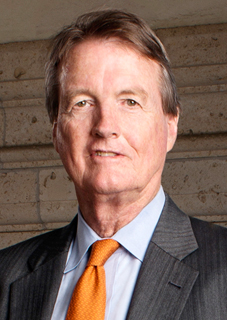
“Working for the United States and the president is a remarkable experience,” she said. “This nation does amazing things around the world to make a difference and I got to see that first hand from the White House.

“It is the pinnacle of anyone’s career to be the legal adviser to the president of the United States,” she said.

In 2005, President Bush nominated Miers to be an associate justice on the Supreme Court.

“In selecting a nominee, I’ve sought to find an American of grace, judgment and unwavering devotion to the Constitution and laws of our country,” President Bush said. “Harriet Miers is just such a person. I’ve known Harriet Miers for more than a decade. I know her heart. I know her character.”

Some political leaders on the far left and the far right criticized Miers’ nomination, pointing out that she had never served as a judge before. But those politicians apparently were ignorant of a few other Supreme Court justices – Chief Justice John Marshall, Justice John Marshall Harlan, Chief Justice Earl Warren and Chief Justice William Rehnquist, to name a few – who had not been trial or appellate court judges.

Sadly, Miers withdrew as a candidate after a month, but she still says it was “an extraordinary experience.”

“Justice Harriet Miers,” former Supreme Court Justice Sandra Day O’Connor told me once in an interview, “she would have added a humbleness and a common sense that is greatly needed on the Court.”

At a CLE program at SMU Dedman School of Law in 2016, Miers said there were three key elements that have changed the practice of law during her career.

“The first is technology,” she said. “We thought we had seen it all when we first saw the fax machine. Now, we talk in terms of search algorithms and electronic discovery.”

Miers said lawyers went from representing clients in Dallas and North Texas to representing them statewide, then across the southwest and nationwide.

“Now, we are all doing international work – or at least wanting to do more international law and wondering why we are not,” she said.

Finally, there is the issue of diversity.

“Used to be, when I walked into a room for a meeting, or a deposition or a court hearing, all the other participants were male,” said Miers, who pointed out that it is much different today with much greater gender and ethnic diversity.

“Now, when I walk into the room and look around, all of the lawyers are young,” she said, causing the room to erupt into laughter.[/fusion_text][/fusion_builder_column][/fusion_builder_row][/fusion_builder_container]

William Powers: Teacher, Leader, Lawyer

[fusion_builder_container hundred_percent=”yes” overflow=”visible”][fusion_builder_row][fusion_builder_column type=”1_4″ last=”no” spacing=”yes” center_content=”no” hide_on_mobile=”no” background_color=”” background_image=”” background_repeat=”no-repeat” background_position=”left top” border_position=”all” border_size=”0px” border_color=”” border_style=”” padding=”” margin_top=”” margin_bottom=”” animation_type=”” animation_direction=”” animation_speed=”0.1″ class=”” id=””][fusion_imageframe lightbox=”no” lightbox_image=”” style_type=”none” hover_type=”none” bordercolor=”” bordersize=”0px” borderradius=”0″ stylecolor=”” align=”none” link=”” linktarget=”_self” animation_type=”0″ animation_direction=”down” animation_speed=”0.1″ hide_on_mobile=”no” class=”” id=””] [/fusion_imageframe][/fusion_builder_column][fusion_builder_column type=”3_4″ last=”yes” spacing=”yes” center_content=”no” hide_on_mobile=”no” background_color=”” background_image=”” background_repeat=”no-repeat” background_position=”left top” border_position=”all” border_size=”0px” border_color=”” border_style=”” padding=”” margin_top=”” margin_bottom=”” animation_type=”” animation_direction=”” animation_speed=”0.1″ class=”” id=””][fusion_text]By Mark Curriden
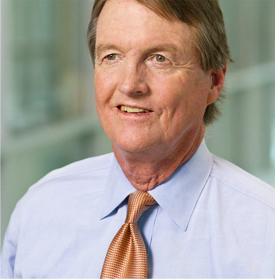
(Oct. 2) – No one has a résumé like Bill Powers.

He served three years in the Navy. He’s taught jurisprudence, legal process and torts to thousands of students. He’s argued 50 cases before the Texas Supreme Court and the state appellate courts. He served five years as the dean of the University of Texas School of Law and another decade as the institution’s president.

Powers is the co-reporter for the Restatement (Third) of Torts: Liability for Physical Harm and he was the co-reporter on the Restatement (Third) of Torts: Apportionment of Liability. He has authored scores of law review articles that have been published in the most prestigious journals.

He will forever be linked to the 2002 investigation into the fraud and corruption at Enron Corporation, as the final findings are identified as the “Powers Report.” The critique was in-depth and hard-hitting.

“Mostly, I like being known as a teacher,” says Powers, who holds the Hines H. Baker and Thelma Kelley Baker Chair in Law. “Legal education today needs much more experimental learning through clinics, internships and a lot more interdisciplinary studies.”

bpowersP1Those who know Powers best say he is a big fan of Homer – actually both Homers: the blind Greek poet and the animated patriarch in “The Simpsons.”

“It’s the best written material on television,” Powers told the Austin American-Statesman in 2005. “At the end of the day, you may notice that Homer, much as he just doesn’t get it, chooses life and chooses his family. It’s a very interesting and complex text in my opinion.”

After graduating magna cum laude from Harvard Law School in 1973 and clerking for a judge on the U.S. Court of Appeals for the Ninth Circuit for a year, Powers taught at the University of Washington School of Law for three years when UT came calling.

“I was teaching in Seattle and it was one of those gray, drab days when a best friend called about me applying for a position in Austin,” he says. “I remember my first day at Texas because it was the day Elvis died.”

Thirty-eight years later, Powers’ impact on UT is undeniable. He made diversity a priority and implemented policies and practices that quadrupled the number of minority students in the law school. In addition, he has been “very involved” in the defense of Fisher v. University of Texas, a lawsuit that challenged the university’s use of ethnicity as a factor in admissions. Powers directly participated in the selection of defense counsel.

“A diverse student body brings educational benefits that include a full exchange of ideas and thoughts when all the students come together, whether it is in the classroom or at campus events,” he says.

In 2015, Powers undertook a new effort: he joined the Dallas-based law firm Jackson Walker as counsel. He continues teaching full-time at UT, but he also works 10 hours a week with the firm’s appellate lawyers and with the younger lawyers on professional development.

“The law is still a noble profession,” he says. “It is our duty to make sure that the younger generations understand what that means.”[/fusion_text][/fusion_builder_column][/fusion_builder_row][/fusion_builder_container]