Walter Umphrey: 50 Years of Looking out for the Little Guy

[fusion_builder_container hundred_percent=”yes” overflow=”visible”][fusion_builder_row][fusion_builder_column type=”1_4″ last=”no” spacing=”yes” center_content=”no” hide_on_mobile=”no” background_color=”” background_image=”” background_repeat=”no-repeat” background_position=”left top” hover_type=”none” link=”” border_position=”all” border_size=”0px” border_color=”” border_style=”” padding=”” margin_top=”” margin_bottom=”” animation_type=”” animation_direction=”” animation_speed=”0.1″ animation_offset=”” class=”” id=””][fusion_imageframe lightbox=”no” lightbox_image=”” style_type=”none” hover_type=”none” bordercolor=”” bordersize=”0px” borderradius=”0″ stylecolor=”” align=”none” link=”” linktarget=”_self” animation_type=”0″ animation_direction=”down” animation_speed=”0.1″ animation_offset=”” hide_on_mobile=”no” class=”” id=””] [/fusion_imageframe][/fusion_builder_column][fusion_builder_column type=”3_4″ last=”yes” spacing=”yes” center_content=”no” hide_on_mobile=”no” background_color=”” background_image=”” background_repeat=”no-repeat” background_position=”left top” hover_type=”none” link=”” border_position=”all” border_size=”0px” border_color=”” border_style=”” padding=”” margin_top=”” margin_bottom=”” animation_type=”” animation_direction=”” animation_speed=”0.1″ animation_offset=”” class=”” id=””][fusion_text]By Mark Curriden
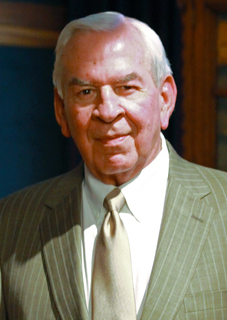
(June 2) – Walter Umphrey stood at the side of a conference room at the Doubletree Hotel in Austin in January 1998 as the press conference began.

Then-Texas Attorney General Dan Morales unveiled a huge cardboard check from the nation’s largest cigarette makers to state officials for $15.3 billion – the single largest settlement of a civil lawsuit in U.S. history.

“The true heroes are these great lawyers right here,” Morales said, pointing to Umphrey and a handful of others. “These lawyers took great risks, worked thousands of hours and spent millions of their own dollars to make this day possible.”

Umphrey, a physically large man with a perpetually stern look, simply nodded in appreciation of the recognition but declined to step to the podium or make any public comments.

Nearly two decades later, Umphrey remains nearly as reticent to discuss the historic tobacco litigation.

“It was the biggest and most important case of my life,” says Umphrey, who has practice law for more than 50 years. “The case was about public health and punishing an industry that made billions and billions of dollars at the expense of public health.

“And yes, we made a lot of money, too,” he admits.

Indeed. Umphrey and four other lawyers were later awarded $3.3 billion to split.

Now 80 years old, Umphrey has lived an extraordinary life and achieved amazing success – all because of his passion for the law and for seeking justice for the working middle class.

During his five-decade legal career, he’s won billions of dollars for thousands of people made seriously ill by asbestos. He’s won multimillion-dollar verdicts and settlements against negligent trucking companies whose fleets killed innocent drivers. He’s earned hundreds and hundreds of millions of dollars in contingency fee cases. And he’s donated hundreds of millions to his favorite charities.

Walter and Joe

Umphrey even tried two cases with his old plaintiff’s lawyer buddy, Joe Jamail.

“Walter is a great lawyer and a truly good hearted man,” Jamail said in an interview a few weeks before his death last year. “But what I like most about Walter is that he, like me, enjoys waking up in the morning and kicking some arrogant, asshole corporate executives in the ass because they deserve it.”

Umphrey and Jamail teamed up to try a case in which a crash involving a commercial tractor-trailer caused a police officer to lose his leg. The trucking company offered $300,000 to settle the case before trial. Umphrey and Jamail politely refused – actually, Jamail threatened to shove the offer up the defense lawyer’s ass. They convinced the jury to award $16 million in damages.

Umphrey grew up poor in South Texas. He says he stayed that way for many years.

“When I finished law school, everything I owned could fit in the back of my car,” he says.

Umphrey played football in high school and was good enough to be awarded a scholarship to play at Southern Methodist University. After a couple years, he transferred to Baylor University to finish his bachelor’s degree in business administration in 1959.

”I worked for a while as an insurance adjuster in Port Arthur, but I got tired of seeing the lawyers get all the money,” he says.

After graduating from Baylor Law School in 1965, Umphrey joined the Jefferson County District Attorney’s office as an assistant prosecutor. During his three-and-a-half years there, he tried scores and scores of cases and eventually rose to the position of chief felony prosecutor.

“There is no greater experience than being a state prosecutor if you want experience trying cases,” he says.

Rags to Riches

In 1969, Umphrey and David Provost joined forces and opened Provost Umphrey Law Firm, which focused on representing individuals in personal injury and products liability litigation.

Umphrey scored big in his first jury trial in federal court in 1972 with a $4 million verdict. At the time, he thought it might be the most money he would ever win for a client.

He was wrong. Way wrong.

Less than 30 miles from Umphrey’s office, another lawyer named Ward Stephenson in nearby Orange, Texas, filed a lawsuit on behalf of his client, Clarence Borel. The complaint accused 11 corporations, including Fibreboard Paper Products and Johns-Mansfield Products, of manufacturing a deadly product without providing enough warning.

Umphrey didn’t realize it at the time, but the Borel case would wildly change his career and personal life.

The jury ruled in favor of the Borel family and the U.S. Court of Appeals for the Fifth Circuit, in an opinion written by Judge Minor Wisdom, upheld the verdict.

The decision triggered a tidal wave of litigation against the asbestos makers and their insurance companies – a wave that Umphrey and his team would ride for more than two decades.

Umphrey got his first asbestos case in 1974 when a friend of a business partner became a client. Realizing the problem could be widespread, Umphrey began having union workers at the Port Arthur Refinery and Chemical Co. tested for asbestos. By the mid-1970s, he had signed several hundred clients who tested positive for cancer or other asbestos-related diseases as clients and was taking the cases to trial.

In 1986, Umphrey was the lead trial lawyer in a certified class action called Jenkins v. Raymark, representing 741 asbestos victims. Then-U.S. District Judge Robert Parker conducted a 25-day trial that resulted in a $130 million settlement.

Four years later, Umphrey took a second class action, Cimino v. Raymark Industries, to trial before Judge Parker. This second case involved about 2,300 plaintiffs. The verdict: $1 billion.

The victory earned Umphrey the title, “King of Asbestos Litigation.”

“Walter knows what it means to be the little guy with no money,” says Houston lawyer Harry Potter, a former assistant state attorney general who worked with Umphrey during the tobacco litigation. “Walter is extraordinarily passionate about fighting for the rights of the average worker against corporations that have caused them ill or harm.

Potter says Umphrey “always speaks his mind if he thinks you are wrong,” but he does so in a “respectful manner.”

“In court, Walter is great at cutting to the heart of a complex matter,” he says.

Potter says that Umphrey’s success in the asbestos litigation was the key reason why he was selected to lead Texas’ efforts against the cigarette makers.

“Walter knew what it was like to challenge and defeat the biggest and most powerful corporations in the world and their armies of lawyers,” Potter says.

Giving Back

Umphrey is also known as an excellent businessman. He once owned a bank and a three million acre ranch in Australia – both of which he reportedly sold for a solid profit.

But Umphrey also has a reputation as an extraordinarily generous giver to public causes.

In 2000, he donated $10 million to help build the Sheila and Walter Umphrey Law Center on the banks of the Brazos River at Baylor University. In 2009, Umphrey provided the finances for the construction of the Sheila Umphrey Recreational Sports Center at Lamar University in Beaumont. Umphrey and his firm also gave $4 million to Lamar for the construction of Provost«Umphrey Stadium for football.

And the newest cancer institute in Southeast Texas was named the Walter Umphrey Cancer Center, which is the result of years of dedicated support and several million dollars in donations.

“Much has been given to me,” he says. “I am pleased that I am able to give back.”[/fusion_text][/fusion_builder_column][/fusion_builder_row][/fusion_builder_container]

Frank Branson: A Passion for Law, Life & Big Jury Verdicts – Updated

[fusion_builder_container hundred_percent=”yes” overflow=”visible”][fusion_builder_row][fusion_builder_column type=”1_4″ last=”no” spacing=”yes” center_content=”no” hide_on_mobile=”no” background_color=”” background_image=”” background_repeat=”no-repeat” background_position=”left top” hover_type=”none” link=”” border_position=”all” border_size=”0px” border_color=”” border_style=”” padding=”” margin_top=”” margin_bottom=”” animation_type=”” animation_direction=”” animation_speed=”0.1″ animation_offset=”” class=”” id=””][fusion_imageframe lightbox=”no” lightbox_image=”” style_type=”none” hover_type=”none” bordercolor=”” bordersize=”0px” borderradius=”0″ stylecolor=”” align=”none” link=”” linktarget=”_self” animation_type=”0″ animation_direction=”down” animation_speed=”0.1″ animation_offset=”” hide_on_mobile=”no” class=”” id=””] [/fusion_imageframe][/fusion_builder_column][fusion_builder_column type=”3_4″ last=”yes” spacing=”yes” center_content=”no” hide_on_mobile=”no” background_color=”” background_image=”” background_repeat=”no-repeat” background_position=”left top” hover_type=”none” link=”” border_position=”all” border_size=”0px” border_color=”” border_style=”” padding=”” margin_top=”” margin_bottom=”” animation_type=”” animation_direction=”” animation_speed=”0.1″ animation_offset=”” class=”” id=””][fusion_text]By Mark Curriden
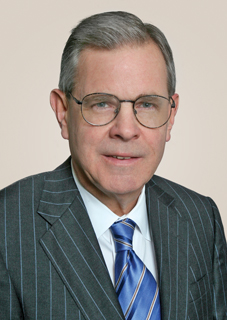
(Jan. 23) – Frank Branson and T. John Ward were young lawyers battling in court. Branson represented the victim of medical malpractice, and Ward defended the hospital.

The trial was a heated, take-no-prisoners battle. The attorneys aggressively advocated for their clients. They almost came to fisticuffs several times.

At the end of the trial, Ward approached Branson.

“Do you drink whiskey?” Ward asked.

“I do with friends, but I will make an exception,” Branson replied.

“We went to the Cherokee Club, and I found out that he wasn’t nearly as bad as I thought he was,” Branson said at a CLE program at SMU Dedman Law School in 2016. “The first five or six lawsuits Jim Cowles and I had against each other, one of us asked the other to fight. It was part of the routine, but we were both smart enough that someone else was there to keep us apart.

“Lawyers should be able to fight vigorously for their clients in court, but still be civil to each other. I think that is missing from today’s legal profession.”

While Ward became a federal judge, Branson became one of the most successful trial lawyers in Texas history. Today, they are close friends.

A 1969 graduate of the SMU Dedman School of Law, Branson has tried more than 100 cases to a verdict. His clients are ordinary people who have been horribly injured and business leaders who have been screwed over by unscrupulous partners. Nearly 20 of his trials resulted in multimillion-dollar jury verdicts.

But it didn’t start out that way.

Branson’s first jury trial was in 1970 in Fort Worth. The trial lasted more than three weeks. His client, however, was less than likable. The young lawyer represented one of the defendants in a bizarre murder case that included some strange facts.

Branson’s client dated a woman whose sister’s boyfriend was a homicidal maniac. The defendant got drunk with two girls and passed out in the back of a truck. The sister’s boyfriend woke him up and forced him to steal $12 from a service station attendant, who was a student working his way through college. Then, they stabbed the victim 37 times. But the case, as lawyers involved will tell you, was a lot more complicated than that.

The state sought the death penalty against both men. The morning of the trial, the co-defendant pleaded guilty to nine life-in-prison sentences to be served consecutively. Branson went into the trial with one goal: save his client’s life.

“I was told that I was going to court for a routine docket call, where I would watch and learn from an older lawyer,” he says. “I showed up and the lawyer said to me, ‘Son, it’s time for you to try a case.’

“I ended up putting on most of the witnesses and arguing the case,” Branson says. “I do not recommend trial by fire for your first trial, especially if it is a capital murder case.”

Branson’s defense was simple: His client stabbed the woman under physical threat from the co-defendant. And he picked away at the prosecution’s case whenever he could.

“I got the medical examiner to admit on the witness stand that the victim was stabbed at a right angle,” Branson says. “My client was left handed. It wasn’t much of a defense, but it was all we had.”

The jury deliberated for more than two days before issuing a compromise verdict: his client was found guilty, but received life in prison, not death.

A few more criminal cases came Branson’s way, but he decided to focus on civil litigation. During the early days in his career, he tried scores small-dollar cases. The early jury verdicts were $1,000 to $15,000 for a car wreck injury or a worker’s compensation case.

“Every case is important to our clients,” he says. “The cases we handle today are literally life-changing for many of our clients. They just want justice.”

Branson is the plain-talking son of a Fort Worth football coach. After college at Texas Christian University, he worked as a waiter at Steak & Ale and a claims adjuster to help pay his way through SMU Dedman School of Law, where he received his doctor of jurisprudence in 1969. Four years later, he went back and earned his LL.M. degree in legal medicine.

“As a first-year lawyer, I was sent to county court wearing a brand new poplin suit and I was standing near the probate judge when he spit tobacco all over my suit,” Branson recalls. “He said, ‘Son, let that be a lesson to you. Never get between a judge and his spittoon.’”

His biggest success, he said, was convincing the daughter of an Arkansas Supreme Court justice to marry him.

“Besides being the love of my life, Debbie is my best friend, the mother of my children and the best lawyer and jury consultant I’ve ever worked with. She keeps me focused on what’s important.”

All those courtroom victories are the reason Branson is widely recognized as one of the great plaintiff’s lawyers in the U.S. The Texas Lawbook estimates that the combined jury verdicts and settlements achieved by Branson for his clients approach $1 billion.

“I got my competitive spirit from my father,” he says. “If my dad said it once, he said it 1,000 times, ‘If you are going to do it, do it right.’ As long as I think I can make a difference, I will keep going.”

One of his first big wins came in 1982 when he represented the victims of a truck crash in federal court in Tyler. The driver told police that he dropped a cigarette, which caused him to collide with the van carrying Branson’s clients.

When Branson cross-examined the truck driver under oath, the witness broke down in a Perry Mason-like moment. The driver dramatically confessed that the company made him drive even when he was tired.

“I offered to settle the case before trial for $2 million, but the defense counsel would not even meet with me,” Branson says.

The jury awarded Branson’s clients $5.6 million.

While he was in trial in the truck driver case, he received a call asking him to get involved in the case of two brothers who were thrown from an amusement ride at the State Fair of Texas. One was killed. The other was critically injured.

Branson’s investigation discovered the amusement ride had scores of stress fractures, including some fractures that had been welded over. He negotiated a $10 million settlement for his clients, had the ride banned from being used in the U.S. and convinced the State Fair to institute additional safety measures.

Branson represented a handful of people who were killed or critically injured when Delta Air Lines Flight 1141 crashed at the Dallas-Fort Worth International Airport in 1988. Two years later, he scored $11 million in settlements for his clients.

A decade later, he won a $5.7 million jury verdict for a victim in the 1999 American Airlines Flight 1420 crash at the Little Rock National Airport.

In 2007, Branson represented an 83-year-old widow of a 76-year-old man who died after his vehicle was struck by an 18-wheeler carrying hazardous materials on Interstate 635 in Dallas. The defense attorneys for the environmental waste company initially offered less than $1 million to settle the case, citing the woman’s age. Later, the defendants offered $3 million. The widow, who came to the U.S. after World War II on a liberty boat, said she would accept $5.3 million – an amount the company rejected.

“We showed the jury that the truck driver was on drugs and that he had a long history of being on drugs when he was hired to drive the truck,” he says.

The jury returned a verdict of $20.9 million.

Two years later, Branson scored $34 million in settlements for a Dallas Cowboys coach and scout who were seriously injured when the team’s training facility collapsed in 2009.

That same year, one of the families of 23 nursing home patients who died in a fiery bus crash while evacuating during Hurricane Rita hired Branson to represent them. He helped negotiate an $80 million settlement for all the plaintiffs.

“We learned early on that technology was our friend in demonstrating everything from truck crashes to buildings exploding to jurors,” Branson says. The firm employs a videographer, a computer generated graphics artist and a medical illustrator.

In fact, the Melvin M. Belli Society honored Branson with the 2007 Mel Award, which celebrates lawyers who demonstrate “creative advocacy, spirit of innovation and paradigm-shifting techniques in the presentation of evidence.”

Branson’s most recent courtroom success came last August when he represented two Dallas businesses – Tiburon Land and Cattle and Trek Resources – which sued their business partners who conspired to fraudulently cut them out of a lucrative mineral rights leasing deal.

After a three-and-a-half week trial, the Fisher County jury awarded the plaintiffs $43 million.

Looking back at his nearly five decade long career, Branson remains proud to be a lawye

“The law business has changed a lot,” he says.

Branson points to more diverse jury pools, tort reform, the move away from unanimous juries and the use of technology.

“When we got televisions in the courtroom and we could televise depositions, it made all the difference,” he says. “We are able to graphically recreate truck crashes, medical operations, oilfield explosions or even the complexity of corporate contracts so judges and jurors can better understand them.”

Even opposing lawyers tip their hat to Branson’s abilities.

“Frank Branson is the best trial lawyer I have ever seen in action,” says Gibson Dunn & Crutcher litigation partner Bill Dawson. “He’s always completely prepared. He understands what’s important and he, better than anyone I have ever seen in a courtroom, knows how to communicate that message to the jury.”[/fusion_text][/fusion_builder_column][/fusion_builder_row][/fusion_builder_container]

Mike Wortley – ‘A Rock in the World of Corporate Law’

[fusion_builder_container hundred_percent=”yes” overflow=”visible”][fusion_builder_row][fusion_builder_column type=”1_4″ last=”no” spacing=”yes” center_content=”no” hide_on_mobile=”no” background_color=”” background_image=”” background_repeat=”no-repeat” background_position=”left top” hover_type=”none” link=”” border_position=”all” border_size=”0px” border_color=”” border_style=”” padding=”” margin_top=”” margin_bottom=”” animation_type=”” animation_direction=”” animation_speed=”0.1″ animation_offset=”” class=”” id=””][fusion_imageframe lightbox=”no” lightbox_image=”” style_type=”none” hover_type=”none” bordercolor=”” bordersize=”0px” borderradius=”0″ stylecolor=”” align=”none” link=”” linktarget=”_self” animation_type=”0″ animation_direction=”down” animation_speed=”0.1″ animation_offset=”” hide_on_mobile=”no” class=”” id=””] [/fusion_imageframe][/fusion_builder_column][fusion_builder_column type=”3_4″ last=”yes” spacing=”yes” center_content=”no” hide_on_mobile=”no” background_color=”” background_image=”” background_repeat=”no-repeat” background_position=”left top” hover_type=”none” link=”” border_position=”all” border_size=”0px” border_color=”” border_style=”” padding=”” margin_top=”” margin_bottom=”” animation_type=”” animation_direction=”” animation_speed=”0.1″ animation_offset=”” class=”” id=””][fusion_text]By Mark Curriden
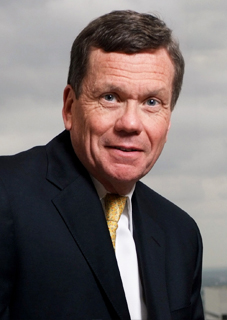
(March 11) – No one ever accused Michael D. Wortley of being a publicity hound. He’s not a regular commentator on television nor does he hold a lot of press conferences to discuss his clients’ business. He doesn’t promote himself on any of the Best Lawyers or Super Lawyers listings.

But seasoned general counsel and veteran business leaders agree that Wortley is one of the best corporate lawyers to ever practice law in North Texas.

During the past four decades, Wortley advised corporate leaders in more than 120 major mergers, acquisitions, joint ventures and initial public offerings – transactions that had a combined value of more than $250 billion.

“Being a lawyer meant advising and helping clients,” he said. “I enjoyed helping build businesses, improve communities, create jobs.”

Wortley represented Goldman Sachs in the initial public offering of Dell Inc. and then he advised Dell in its purchase of Perot Systems. He led the Thompson family in taking the publicly-traded Southland Corp. and 7-Eleven private. He represented real estate and investment firm Trammel Crow in its sale to CBRE.

“The deals that were the most intense, the most complicated and sophisticated, were the ones I enjoyed the most,” Wortley said. “A lot of people think the size of a deal is what is important, but large deals are often easier and simpler.

“Smaller, private transactions can be more complex and challenging, especially if its founder is still involved,” he said.

Clients say Wortley is the epitome of a lawyer acting as a counselor. Businesses large and small turned to him to be their primary outside counsel. To them, he was the essence of stability and confidence.

“Mike has been a rock in the world of corporate law,” said Mark Berg, executive vice president and former chief legal officer at Pioneer Natural Resources. “For business executives and general counsel, he’s always there, always unflappable, a constant.”

Wortley crafted billion-dollar deals for companies involved in many different business sectors. He’s done mega-transactions for deals involving radio stations, the makers of dress pants and semi-conductors, commercial real estate developers, upstream oil companies, midstream gas operations, food processing and private equity firms.

During his 38 years as a lawyer, Wortley helped private companies go public and mid-sized businesses merge to become big. He advised large corporations as they acquired competitors and counseled private equity firms buying public companies to take them private. He represented mega-conglomerates divesting assets in order to be strategically more focused.

“Simply put, Mike Wortley is a legend,” said Rick Lacher, managing partner at the investment bank Houlihan Lokey in Dallas.

Wortley received his bachelor’s degree in political science from Southern Methodist University and his master’s degree in regional planning from the University of North Carolina in 1973.

After a couple years in public development, Wortley went back to school. In 1978, he graduated from the SMU Dedman School of Law.

The Dallas law firm Johnson & Gibbs – later known as Johnson & Swanson – hired Wortley in its corporate law section, where he focused on securities law, mergers, acquisitions and capital markets.

“When I started practicing law in 1978, almost all sophisticated M&A in Texas was handled by New York corporate lawyers,” he said. “The Texas legal market has greatly matured. Lawyers in Texas are every bit as experienced and sophisticated as M&A lawyers elsewhere.”

In 1991, the partnership elected Wortley its chairman and renamed the firm Johnson & Wortley. He remained the firm’s leader until it closed shop in 1995, when he and several of his colleagues joined Vinson & Elkins.

V&E eventually appointed Wortley to its executive committee, chair of its corporate securities section and its chief operating officer.

“I have been honored to have leadership roles at two great law firms,” he said. “I’ve worked with some amazing lawyers.”

Wortley represented two major businesses – Tom Hicks’ HM Capital and Pioneer Natural Resources – for more than two decades. For each, he led several nine-, 10- and 11-digit deals.

One of Wortley’s first big clients ended up being a client for nearly his entire legal career. He represented Parker & Parsley Petroleum in a series of deals, including its acquisition of Canadian-based Chauvco Resources and its hostile takeover of Bridge Oil, which was an Australian energy company.

In 1997, Wortley advised Parker & Parsley Petroleum in its merger with MESA Inc. The newly created oil and gas company was named Pioneer Natural Resources.

Pioneer made Wortley its lead outside counsel and added him to its corporate board of directors. He represented the Irving-based company in a series of shareholder proposals and shareholder activists seeking board seats.

“For Pioneer, Mike is a great fit for our culture,” Berg said. “Mike always thought about Pioneer’s interests first. He doesn’t mind rolling up his sleeves and digging into the details.

”Mike also has the great ability to transition to the big picture, identifying what is important and making sure the issues get the appropriate attention,” he said.

Wortley did even more transactions for Hicks Muse. He was the Dallas private equity firm’s lead legal adviser in its acquisition of meat company Swift Foods, international oil and gas firm Triton International, consumer food maker International Foods and the formation of midstream company Regency Energy Partners.

“Clients stuck with Mike forever, which is the ultimate testimony for a lawyer,” said Jeff Chapman, who worked with Wortley for 30 years and is now a partner at Gibson, Dunn & Crutcher in Dallas.

Robert Kimball, a corporate partner at V&E, who worked with Wortley for 28 years, said his mentor developed strong personal relationships with his clients and always put the client first.

“Mike had a deeper and broader and clearer knowledge of the law than any other lawyer,” Kimball said. “He made sure he knew every detail in a document, even better than the lawyers who drafted the documents.”

Young lawyers who worked for Wortley said he would sit down with them during a deal and go over dozens and dozens of questions he had written down on a legal paid.

“He has those damn checklists that drove us crazy,” Chapman said. “He taught us to dot every ‘i’ and cross every ‘t.’

“Pioneer had the largest prospectus ever – about 2,600 pages – and I guarantee you that Mike knew every word,” he said.

Wortley has certainly seen many changes during his years practicing corporate law. None of those changes had as much of an impact as technology.

“We used to travel to sit in front of the other parties to share a document, or send documents by Federal Express,” he said. “Today, document sharing and getting a response is instantaneous. We have billion-dollar deal closings now in which you don’t even see each other.”

Wortley said the rise of alternative fee arrangements also has changed the practice of law.

“Clients are much more interested in negotiating over fees and are looking more closely at their bills and are inclined to push back,” he said.

“The practice of law is not just about being technicians,” Wortley said. “Today, it is about showing clients that you are adding value.”

Wortley no longer represents multiple businesses. Last year, he officially retired from Vinson & Elkins and became the new chief legal officer at Dallas-based Reata Pharmaceuticals, a biopharmaceutical company that focuses on translating innovative science into breakthrough medicines for intractable diseases.

“I would be bored if I didn’t have something to do,” Wortley said.[/fusion_text][/fusion_builder_column][/fusion_builder_row][/fusion_builder_container]

Richard Mithoff: Million-dollar Verdicts that Save Lives

[fusion_builder_container hundred_percent=”yes” overflow=”visible”][fusion_builder_row][fusion_builder_column type=”1_4″ last=”no” spacing=”yes” center_content=”no” hide_on_mobile=”no” background_color=”” background_image=”” background_repeat=”no-repeat” background_position=”left top” hover_type=”none” link=”” border_position=”all” border_size=”0px” border_color=”” border_style=”” padding=”” margin_top=”” margin_bottom=”” animation_type=”” animation_direction=”” animation_speed=”0.1″ animation_offset=”” class=”” id=””][fusion_imageframe lightbox=”no” lightbox_image=”” style_type=”none” hover_type=”none” bordercolor=”” bordersize=”0px” borderradius=”0″ stylecolor=”” align=”none” link=”” linktarget=”_self” animation_type=”0″ animation_direction=”down” animation_speed=”0.1″ animation_offset=”” hide_on_mobile=”no” class=”” id=””] [/fusion_imageframe][/fusion_builder_column][fusion_builder_column type=”3_4″ last=”yes” spacing=”yes” center_content=”no” hide_on_mobile=”no” background_color=”” background_image=”” background_repeat=”no-repeat” background_position=”left top” hover_type=”none” link=”” border_position=”all” border_size=”0px” border_color=”” border_style=”” padding=”” margin_top=”” margin_bottom=”” animation_type=”” animation_direction=”” animation_speed=”0.1″ animation_offset=”” class=”” id=””][fusion_text]By Mark Curriden
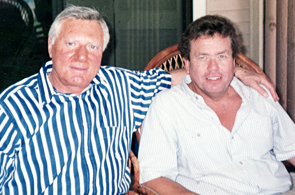
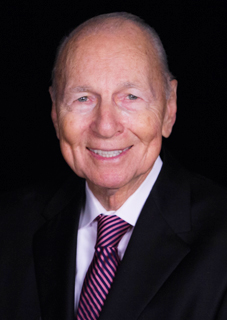
(March 11) – Legendary Houston trial lawyer Joe Jamail walked into the office of his young associate, Richard Mithoff, in 1977 to hand off a case.

“He gave me the case file on Friday. I interviewed the client on Saturday. We went to trial on Monday,” Mithoff says.

The client was Norma Corley, a 35-year-old woman from Cleveland, Texas, who suffered severe medical problems as the result of silicone gel breast implants she received as part of reconstructive surgery following breast cancer. Corley claimed the implants leaked.

The lawsuit accused the maker of the silicone implant, Dow Corning, with manufacturing a knowingly defective product and causing his client’s illnesses. Several other similar cases had gone to trial, but juries had ruled in favor of the defendant every time.

“Dow offered me $5,000 to settle,” Mithoff says. “Dow’s lawyers told me they had never lost a case and that I would never beat them.

“There were no pre-trial depositions. Case files were paper thin,” he says. “All testimony was live.”

After several days of trial, the Houston jury found in favor of Corley and awarded $170,000. It was the first verdict favoring a plaintiff in a silicone breast implant case in the U.S.

rmithoff1“Joe was very good about throwing us into the deep end of the pool to force us to either swim or sink,” Mithoff says. “He also taught me that great trial lawyers lose cases. You need to hate losing, but you cannot be afraid of losing.”
Mithoff handled all aspects of the appeal, including writing each brief on his personal typewriter and making the winning argument at the Texas Supreme Court, which upheld the jury’s verdict.

“Richard is a man you can trust and you know it the minute you meet him,” says famed Houston criminal defense lawyer Richard “Racehorse” Haynes. “Juries and judges respect Richard because he’s honest and he’s a damn good lawyer.”

Even opposing counsel and the judges who hear his cases say that the 70-year-old lawyer is a fearless advocate with extraordinary courtroom talents.

“He wins the old fashioned way – by out-thinking, outworking and outperforming his opposition,” former Texas Supreme Court Chief Justice Tom Phillips said when awarding Mithoff the Texas Law Review’s 2015 Leon Green Award. “Juries and judges soon come to see that his passion for his client’s cause comes from conviction, not performance. He will not promise what he cannot deliver and you can take his word to the bank.”

A 1971 graduate of the University of Texas School of Law, Mithoff has won scores of million-dollar verdicts and settlements for his clients in various personal injury, products liability, commercial and contract disputes.

Mithoff has represented poor and middle-class folks who have been victimized by unscrupulous business owners, financial investors and medical professionals. He represented families of elderly people killed in 2005 on a bus fleeing Hurricane Rita and the families of men killed that same year at the BP Texas City explosion – securing multimillion-dollar judgments for victims in both tragedies.

But he’s also represented J.P Morgan Chase, singer Willie Nelson, the Democratic Party of Texas and ConocoPhillips.

“Now, there’s pressure to win every case – even the longest of long shot cases,” he says.

Mithoff decided to become a lawyer in high school in El Paso when he read To Kill a Mockingbird. After college and law school at UT, he clerked for U.S. District Judge William Wayne Justice after law school.

From the start, Mithoff wanted to work with great lawyers to see in person how they practiced law and tried cases. He originally worked with legendary Texas lawyer Warren Burnett and then joined Jamail, the Texas lawyer who needs no introduction.

“I knew right away that Richard was going to be a great lawyer,” Jamail said in an interview about two months before he died in 2015. “He’s much more of a gentleman than I am, but he’s every bit as good in the courtroom.”

Mithoff says he remembers the first case he took to trial, which was an automobile collision case.

“I was convinced that I had a huge case,” he says. “The defense lawyer, who had lots of experience, offered me $1,500 to settle before trial. We tried the case for three days and the jury came back with a verdict of… $1,500. I became much better at evaluating the value of cases as I became more experienced.”

Mithoff tried to get into court as often as he could. He started taking medical malpractice cases in small towns across Texas against local doctors.

“I would get the jury list a day or two before trial and then take a local county attorney out for dinner and drinks to have them tell me about the jurors,” he says.

In 1983, the parents of Andrea Ferris hired Mithoff to sue the Pasadena Hayshore Hospital after the couple’s child suffered irreparable brain damage as the result of medical malpractice during the birthing process. Little Andrea would never be able to walk or talk or even feed herself as the result of the injuries caused by the hospital’s medical staff.

Rather than face trial, the hospital and its insurance carriers agreed to settle the lawsuit before trial. The Ferris family was awarded $115 million. Mithoff was awarded $1.9 million in legal fees. It was the largest medical malpractice judgment at that point in U.S. history.

The case, which was featured on ABC News’ Nightline program, also led the Texas legislature to change the law regarding hospitals reporting misconduct or malpractice of its physicians.

In 1997, Mithoff represented the family of a Lubbock woman who died during child delivery when the anesthesiologist administering the epidural pierced a large vein that sent the power drugs directly to her heart.

During the case, Mithoff discovered the anesthesiologist had a history of drug problems. The hospital settled for $9.5 million and agreed to reform its internal screening procedures.

In fact, while Mithoff made tens-of-millions of dollars suing doctors and hospitals for medical malpractice, he has been a major contributor to certain medical causes.

In response to a large but undisclosed donation from the Mithoffs, the Harris County Hospital District named its world-class trauma center in 2007 at the Ben Taub Hospital as the “Ginni and Richard Mithoff Trauma Center.”

In 1998, Mithoff represented Harris County and other Texas counties intervening in the historic global tobacco industry settlement in which the cigarette makers agreed to pay the state of Texas $15.3 billion over 20 years to resolve a federal RICO case that was about to start trial.

Hired by the counties, Mithoff intervened in settlement negotiations and convinced the tobacco companies to add an extra $2.3 billion for the 254 counties in the state. As part of the deal, Mithoff also agreed to donate half of the $20 million in lawyer fees he was awarded to the Harris Co. Hospital District to create a children’s health fund.

At age 70, Mithoff shows no signs of slowing down, as the big cases keep pouring in and he keeps scoring big-dollar successes.

“I plan to keep practicing as long as it continues to be fun and as along as I can help people,” he says. “And I can tell you this, I love it just as much today as that first case back in 1971 for $1,500.”[/fusion_text][/fusion_builder_column][/fusion_builder_row][/fusion_builder_container]

Forrest Smith: A Lawyer and GC with a Heart for Community Service

[fusion_builder_container hundred_percent=”yes” overflow=”visible”][fusion_builder_row][fusion_builder_column type=”1_4″ last=”no” spacing=”yes” center_content=”no” hide_on_mobile=”no” background_color=”” background_image=”” background_repeat=”no-repeat” background_position=”left top” hover_type=”none” link=”” border_position=”all” border_size=”0px” border_color=”” border_style=”” padding=”” margin_top=”” margin_bottom=”” animation_type=”” animation_direction=”” animation_speed=”0.1″ animation_offset=”” class=”” id=””][fusion_imageframe lightbox=”no” lightbox_image=”” style_type=”none” hover_type=”none” bordercolor=”” bordersize=”0px” borderradius=”0″ stylecolor=”” align=”none” link=”” linktarget=”_self” animation_type=”0″ animation_direction=”down” animation_speed=”0.1″ animation_offset=”” hide_on_mobile=”no” class=”” id=””] [/fusion_imageframe][/fusion_builder_column][fusion_builder_column type=”3_4″ last=”yes” spacing=”yes” center_content=”no” hide_on_mobile=”no” background_color=”” background_image=”” background_repeat=”no-repeat” background_position=”left top” hover_type=”none” link=”” border_position=”all” border_size=”0px” border_color=”” border_style=”” padding=”” margin_top=”” margin_bottom=”” animation_type=”” animation_direction=”” animation_speed=”0.1″ animation_offset=”” class=”” id=””][fusion_text]By Mark Curriden
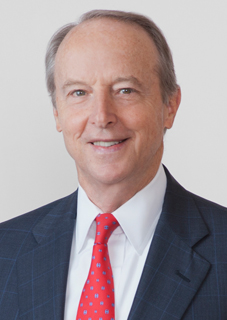
(Feb. 23) – Forrest Smith had been a lawyer in the tax department of Magnolia Petroleum (now known as Mobil Oil) for only six months when the company’s assistant general counsel, Roy Ledbetter, approached him about handling a personal case for his family.

The client was an important employee of the Dallas Symphony Orchestra. More importantly, the client was Ledbetter’s daughter’s husband, who had been sued after he rear-ended another car.

“The assistant GC said it was time to get my feet wet in court,” Smith says. “I felt there was a lot of pressure to win.”

Smith argued that the “sudden emergency” doctrine applied because the plaintiff had stopped suddenly without warning and thus contributed to the accident.

“We were thrilled beyond measure when the jury ruled in our favor, especially because this was my trial,” he says. “My happiness didn’t last.”

The lawyer for the plaintiff, David Kidder of Thompson & Knight, filed a motion for a new trial claiming the evidence did not support the verdict. The trial judge agreed.

“Need I say the jury ruled against us this time?” Smith says. “My trial future became quite cloudy.”

Since graduating from the Southern Methodist University School of Law in 1963, Smith has been on a mission to use the law to improve North Texas. In fact, no lawyer has been more community focused.

Smith has chaired the Dallas Economic Development Board, the Parkland Hospital Board, the Texas Youth Commission, the Dallas Better Business Bureau and the Greater Dallas Chamber of Commerce. He helped create the General Counsel Forum and the Committee for a Qualified Judiciary. He’s even served as Honorary Counsel General of Thailand.

Smith has mediated more than 500 disputes. Ninety-eight percent resulted with settlements. He even took a major tax case to the Supreme Court of the United States.

“I learned that lawyers were extremely influential citizens and the practice of law could be used to improve our communities,” says Smith, who is now senior counsel at Friedman & Feiger.

Smith spent the first 35 years of his legal career in-house at Mobil. He handled a lot of employment law matters, including litigating about 50 arbitrations in Texas, Alaska and Wyoming.

“I particularly enjoyed my monthly visits to Mobil’s Beaumont refinery, which is where my father had worked for 40 years and where I had summer jobs,” Smith says. “My representation of the Mobil facility in Beaumont gave me the opportunity to try my first – and last – Admiralty case.”

In 1975, Mobil executives transferred Smith to its tax department in Dallas. He regularly supervised 50 property, sales and income tax cases, including the hiring of local counsel in each of those matters.

“My 35 years with Mobil was very influential in shaping my life – both as an attorney and civic leader,” he says. “Early in my career with Mobil, I had a great interest in public affairs.  I made over a 100 speeches to Rotary clubs and other civic organizations demonstrating all of the great things that come from petroleum. This was when oil was $5.00 per barrel.”

Mobil encouraged Smith to “participate in political and civic affairs,” and he did.

“In the late 1970s, it became clear that judges were no longer being elected just on their record,” he says. “I created the Committee for a Qualified Judiciary (CQJ) to help educate the public on which candidates are qualified, irrespective of political party.

“I firmly believe the current system of electing judges does not serve the community,” he says. “The CQJ is still active, but only legislation will change the system.”

While community service was a significant part of his job, Mobil still depended on him to help with all major tax disputes, including one that took Smith to the U.S. Supreme Court as second chair in 1983. The case was Container Corp. v. Franchise Tax Bd.

“During the mid-1970s, the biggest issue facing international corporations was whether states had the ability to tax income of U.S. corporations when the income was earned totally outside of the U.S.,” he says.

“We argued that such tax violated the U.S. Constitution and the 5th amendment,” he says. “The states argued that so long as the tax was measured by the amount of activity generated by the corporation in the state, the tax was permissible.”

In a five-to-three decision, the justices ruled that the corporation had enough activity in the State of California to permit the tax levy.

When Smith retired from Mobil, he joined the Dallas law office of Arter & Hadden and continued his focus on tax law. In the early 1990s, the Dallas County Appraisal District tried to reduce the number of taxpayers claiming that their land was used for agriculture purposes, which entitled them to a lower rate of tax.

“My client owned several thousands of acres in Las Colinas under the agriculture exemption and it would have cost millions of dollars if he lost the agriculture exemption,” he says. “We had a five-day jury trial and were very pleased that the jury supported our theory. The client was also happy.”

During the next two decades, Smith practice at Bell Nunnally and Ryan Law LLP, where he provided state and local tax litigation representation to corporate clients and presided over alternative dispute resolutions in complex legal controversies. But he truly focused on his community service projects, including:

  • Helped create the first Minority Counsel program to promote minority attorneys within the corporate community;
  • Helped create the Russell Perry Award to honor leaders promoting the free enterprise system and raised more than $5 million dollars last year for Dallas Baptist University scholarships;
  • Led in the creation of the Dallas Life Ledgen’s of Service Award, which raises funds to assist the homeless in Dallas; and
  • In 2012, the General Counsel Forum created the Forrest Smith Scholarship Award, which provides funds for low-income students at the SMU Dedman School of Law.

In 1997, Smith came up with the idea of creating a non-profit organization for corporate in-house lawyers to share best practices. The result was the creation of what was initially called the Dallas-Fort Worth General Counsel Management Practices Forum.

“Riding the wave of Forrest’s boundless energy, enthusiasm and contacts, the organization swelled into today’s The General Counsel Forum—a state-wide community of more than 700 general counsel and senior managing counsel representing more than 450 companies and organizations,” says Classic Industries General Counsel John Clement. “Forrest is a friend and mentor whose place among the Lions of the Bar is well deserved.”

While the Dallas community has benefited greatly from Smith’s leadership skills, he has received a few bonuses, too. For example, as head of the Chamber, he invited all of the ambassadors from around the world to come to Dallas for a weekend. During one of the visits, Smith became friends with the Ambassador from Greece.

“He told me that Thailand was looking for a representative from Texas and he would like to nominate me,” he says. “I knew little about Thailand, but I was honored to be nominated. About a year later, I was notified that the King had appointed me as his representative and I was now the Honorary Counsel General of Thailand.

“Now, 20 years later, I continue to represent Thailand working with U.S. citizens wanting to travel there and companies who want to do business there,” Smith says. “Some of the 6,000 Thai citizens in DFW are my close friends.”[/fusion_text][/fusion_builder_column][/fusion_builder_row][/fusion_builder_container]

David Beck: ‘Can’t Believe They Pay Me to Do This’

[fusion_builder_container hundred_percent=”yes” overflow=”visible”][fusion_builder_row][fusion_builder_column type=”1_4″ last=”no” spacing=”yes” center_content=”no” hide_on_mobile=”no” background_color=”” background_image=”” background_repeat=”no-repeat” background_position=”left top” hover_type=”none” link=”” border_position=”all” border_size=”0px” border_color=”” border_style=”” padding=”” margin_top=”” margin_bottom=”” animation_type=”” animation_direction=”” animation_speed=”0.1″ animation_offset=”” class=”” id=””][fusion_imageframe lightbox=”no” lightbox_image=”” style_type=”none” hover_type=”none” bordercolor=”” bordersize=”0px” borderradius=”0″ stylecolor=”” align=”none” link=”” linktarget=”_self” animation_type=”0″ animation_direction=”down” animation_speed=”0.1″ animation_offset=”” hide_on_mobile=”no” class=”” id=””] [/fusion_imageframe][/fusion_builder_column][fusion_builder_column type=”3_4″ last=”yes” spacing=”yes” center_content=”no” hide_on_mobile=”no” background_color=”” background_image=”” background_repeat=”no-repeat” background_position=”left top” hover_type=”none” link=”” border_position=”all” border_size=”0px” border_color=”” border_style=”” padding=”” margin_top=”” margin_bottom=”” animation_type=”” animation_direction=”” animation_speed=”0.1″ animation_offset=”” class=”” id=””][fusion_text]By Mark Curriden
HOUSTON (Feb. 22) – David Beck – only months removed from law school – stood before a Harris County District Court jury. The year was 1965 and he represented an older couple who drove their car the wrong way on a newly built freeway. They collided head-on with another vehicle, causing serious injuries to the driver.

It was Beck’s first trial.

“I argued that it was a dark night and there were no lights and that these people acted reasonably and the accident was unavoidable,” he said. “I was absolutely petrified. I didn’t want the partner to go with me in case I embarrassed myself.”

Beck did just fine. The three-day trial ended with the jury ruling that his clients were not negligent.

“It was a small case, but I knew right then that I wanted to try cases for a living,” he said.

Five decades later, Beck is one of the go-to trial lawyers in the U.S. He’s represented some of the biggest corporations and most prominent individuals – Exxon Mobil, Clear Channel Communications, Enterprise Products, the Bass brothers, for example – in cases in which tens or even hundreds of millions of dollars were at stake.

Corporate general counsel have a short list of lawyers to call when they face bet-the-company litigation. In Texas, the list always includes Beck.

dbeckLB2

Born in Pittsburgh in 1940, Beck is the oldest of five children. His family moved to Port Arthur when he was 14. His father worked at a refinery and a janitor. His mom was a homemaker.

For college, Beck stayed home, worked as a janitor and studied history and government at Lamar University in Beaumont. In 1962, he headed off to law school at the University of Texas.

“I arrived at UT with a suitcase and a dream,” he said. “Dean Page Keaton told us on the first day of law school that you can spend your whole life as an honest and good lawyer but you can lose that reputation in five minutes.”

Upon graduating from UT in 1965, Beck joined Fulbright & Jaworski’s litigation section.

Five years after the trial involving the elderly couple, Beck was back in Harris County District Court. Seated at the opposing counsel’s table was another young lawyer showing a lot of promise: John O’Quinn.

O’Quinn represented two Houston police officers who were driving in their patrol car with their lights and siren blasting when another vehicle crashed into them at a cross streets. Both officers claimed injuries.

“O’Quinn tried to get the jury excited or prejudiced by telling them that my client jumped out of his car and started screaming obscenities,” Beck said. “What O’Quinn didn’t know is that my client was in a German concentration camp. My client told the jury about the experience and he showed the jury the numbers that the Nazi’s tattooed on his wrist.

“The jury sat in absolute silence,” he said.

Beck offered $1,250 to settle. O’Quinn demanded $3,250. The jury basically split the demands and awarded $2,000.

“I was crushed by the verdict,” Beck said. “I truly thought I would win. I remember walking into the office of the chair of the litigation section of Fulbright and told him that if I couldn’t win that case that I needed to quit the practice of law.”

Beck stayed at Fulbright for another 23 years and eventually became the head of its energy and environmental section.

In January 1992, Beck decided to strike out on his own and formed his own boutique with Joe Redden and Ron Secrest. Together, they built a litigation powerhouse of 42 lawyers.

“I enjoy what I do so much that I still can’t believe they pay me,” Beck said. “I try to stake out the moral high ground. Jurors want to do what’s right.”

In the two-dozen years since starting Beck Redden, the firm’s senior partner has taken more than a hundred cases to trial.

One of Beck’s biggest courtroom victories occurred in 2010 when he represented Memorial Hermann Hospital in a lawsuit brought by a group of Houston physicians who owned a failed hospital. The lawsuit accused Memorial Hermann of using illegal anti-competitive tactics and tortious interference that led to their hospital‘s failure.

The plaintiffs sought hundreds-of-millions of dollars in damages and several million dollars more in lawyer fees.

“We showed that these doctors made a special secret side deal in which they got a rebate or kickback from the insurance company, but never told the patients about it,” Beck said. “I asked the doctors on the witness stand why they didn’t inform their patients, and each one provided a different answer. The jury clearly didn’t think they were telling the truth.”

The Houston jury heard nine weeks of testimony but deliberated less than three hours before it returned with a verdict completely vindicating Beck’s client.

Two years later, Beck was back in trial representing Exxon Mobil. One of the corporation’s executives sued, claiming the Irving-based oil and gas company’s compensation plan was illegal because it restricted or even eliminated stock options if the executive left to work for a competitor.

The executive sought $5 million in damages. Exxon Mobil also realized that a loss in this single case would call into question the oil giant’s worldwide executive compensation program.

Once again, Beck convinced the jury to rule in his client’s favor. The Texas Supreme Court upheld the decision and the ruling set a precedent.

Beck’s list of successes is several pages long. He represented a small oil and gas exploration company in a trade secrets case in which $140 million in damages were at stake. He represented the University of Texas in a legal battle against Ryan O’Neal over the ownership of Andy Warhol’s portrait of Farrah Fawcett, which was valued as much as $12 million.

The case eventually settled, but Beck said lawyers need to show they are willing to go to trial, even in questionable cases.

“Lawyers who don’t lose cases at trial are not trying that many cases,” Beck said. “In hindsight, I wish I had known that the law practice would eventually gravitate toward becoming a ‘business’ as opposed to remaining a true profession. I don’t know that I would have done anything differently, but it would certainly have been a factor in deciding my career path.”

Beck said his only other possible professions would have been teaching or becoming a Catholic missionary priest.

In a recent interview with Young Lawyers Magazine, Beck said there are two lawyers he admires most.

“The first is John Adams, who in 1770 defended British soldiers after the Boston Massacre when anti-British feelings were at their peak,” he said. “Nevertheless, he defended them because he believed in the right to effective counsel for the accused.”

The second hero was a former law partner at Fulbright: Leon Jaworski.

“As the Watergate prosecutor, he clashed with then-President Richard Nixon over the tapes of conversations recorded by the President,” he said. “After Jaworski successfully argued before the U.S. Supreme Court that Nixon was required to turn over the tapes, on August 9, 1974, President Nixon resigned. Jaworski established the principle that not even a President is above the law.

“Leon Jaworski stressed the duty that we lawyers have to serve the profession and make it better,” Beck said. “I have tried to live by that admonition.”[/fusion_text][/fusion_builder_column][/fusion_builder_row][/fusion_builder_container]

H. Ron White: Breaking Barriers and Setting Standards – Updated

[fusion_builder_container hundred_percent=”yes” overflow=”visible”][fusion_builder_row][fusion_builder_column type=”1_4″ last=”no” spacing=”yes” center_content=”no” hide_on_mobile=”no” background_color=”” background_image=”” background_repeat=”no-repeat” background_position=”left top” hover_type=”none” link=”” border_position=”all” border_size=”0px” border_color=”” border_style=”” padding=”” margin_top=”” margin_bottom=”” animation_type=”” animation_direction=”” animation_speed=”0.1″ animation_offset=”” class=”” id=””][fusion_imageframe lightbox=”no” lightbox_image=”” style_type=”none” hover_type=”none” bordercolor=”” bordersize=”0px” borderradius=”0″ stylecolor=”” align=”none” link=”” linktarget=”_self” animation_type=”0″ animation_direction=”down” animation_speed=”0.1″ animation_offset=”” hide_on_mobile=”no” class=”” id=””] [/fusion_imageframe][/fusion_builder_column][fusion_builder_column type=”3_4″ last=”yes” spacing=”yes” center_content=”no” hide_on_mobile=”no” background_color=”” background_image=”” background_repeat=”no-repeat” background_position=”left top” hover_type=”none” link=”” border_position=”all” border_size=”0px” border_color=”” border_style=”” padding=”” margin_top=”” margin_bottom=”” animation_type=”” animation_direction=”” animation_speed=”0.1″ animation_offset=”” class=”” id=””][fusion_text]By Mark Curriden

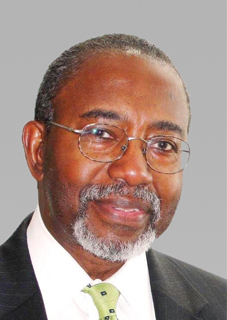
(Feb. 28) – Ron White has scored huge courtroom victories and represented some of the nation’s largest corporate clients. He’s mentored some of the most successful lawyers in Dallas, including several judges.

White successfully built his law firm from scratch. He’s served in some of the most prestigious positions for business and community organizations in North Texas. Like the other Lions of the Texas Bar, he has been honored with just about every award state and local bar associations hand out.

But White is unlike the other 49 Lions. None of them have experienced anything close to White’s life and career. He is the only who is African-American.

“I got used to being the only one a long time ago,” White says. “Today, I am one of this group of 50, which is a huge honor because these are the best of the best lawyers. But 45 years ago, I was also the only one… I mean, the only one black business lawyer in all of Dallas.

“Back then, at bar association meetings, I really stood out,” he says.

The impact that White has had on the DFW legal community has been immeasurable.

“Ron is a true trailblazer,” says former American Airlines General Counsel Gary Kennedy. “It doesn’t hurt that he’s an excellent lawyer and an extraordinarily nice guy.”

White’s place in Dallas legal history is secured. He was the first African-American male to serve as a state District Court judge in Dallas. He was a co-founder of the General Counsel Forum, a long-serving board member of the Urban League and a member of the executive board of Southern Methodist University Dedman School of Law.

Ron White was born on Feb. 10, 1941 in Richmond, Va.

“Opportunities were few, but education was the road-map to success,” White says.

White went to Hampton University, where he graduated in 1962 with a degree in biology. That year, he joined the Army, where he served as a captain in Germany and Vietnam. In 1967, he was appointed to the General’s Staff as the Regional Petroleum Logistical Supply Officer in Quinn Yan Vietnam in 1967.

In 1969, he began his legal studies at Howard University Law School. He clerked for the general counsel of the Federal Power Commission, now known as FERC.

Atlantic Richfield Co., an oil refinery and extraction company now owned by Tesoro, recruited White when he graduated from law school in 1971 to be an in-house lawyer handling environmental- and employment-related matters. A condition of the employment was a move to Dallas.

“Dallas was such a small town back then,” he says. “No African-Americans worked at any of the corporate law firms. Racial attitudes were not ideal, but they were changing.”

White handled land issues, drafted opinions on various regulatory matters and supervised outside counsel.

“There was actually some concern that I would not be admitted to the Dallas Bar because there were only two black lawyers who were members at the time,” he says. “There was not a lot of interaction with white lawyers who worked for ARCO. I would say it was less than a warm welcome.”

According to state bar records, there were 17 lawyers of color practicing in Dallas in 1972. Nearly all of them were criminal defense lawyers.

“Most African-American lawyers operated at small practices or shared office space,” White said at a CLE program at SMU Dedman School of Law in 2016.

White left ARCO in 1977 to start a downtown law firm capable of competing against the biggest business law firms in Dallas. He said he took cases he did not plan to take because he needed to “pay bills and put food on the table.”

“I remember the day we went from manual typewriters to an IBM electric type writer,” he says. “Then I got a fax machine and we were kicking out documents. We were paddling fast, trying to build a law firm that we knew the city and the business community needed.”

In 1983, Texas Gov. Mark White appointed White to be Dallas’s first black male state District Court judge, where he served for two years.

White campaigned to be elected for the district court for a full term in 1985, but he lost by 3,000 votes.

“It hurt a lot because it was such a close margin,” he says. “But it was an amazing experience.

Rejoining the private sector, White decided he wanted to build a new law firm, but he also recognized he needed help.

White developed a unique marketing and business development partnership with the global law firm Jones Day that allowed lawyers with White’s law firm, which is now called White & Wiggins, to move into the Trammel Crow Tower offices of the mega-firm.

“Jones Day had a floor they were not using,” he says. “They provided us with business opportunities we could not otherwise have had and we provided them opportunities that they otherwise could not have had.

“We wanted to be able to practice our craft at a level that only a large business law firm would provide,” he says.

In the past two decades, White & Wiggins has successfully represented the DFW International Airport Board, Ford Motor Company and American Airlines.

White was lead counsel for the DFW Airport in an environmental qui tam lawsuit that alleged that fuels and residue from the airport had made its way into nearby streams and creeks. The plaintiffs sought $300 million in actual damages, which could be trebled under the U.S. False Claims Act.

White successfully turned the multi-week trial into a battle of experts, which favored his defense. The courtroom victory showcased the legal skills of White and his team.

White was co-counsel with Locke Lord to shepherd a $700 million bond issuance that funded the construction of a sewage system and a separate $300 million bond issuance that helped build the American Airlines Center in downtown Dallas.

As successful as White’s representation of clients has been, it pales in comparison to his record of mentoring great lawyers and leaders, including Dallas Court of Appeals Chief Judge Carolyn Wright and state District judges Brenda Green and Tonya Parker.

“He was more than just a boss,” says Potter House General Counsel and Chief Operating Officer Darwin Bruce. “Ron is a leader who is passionate about his career. As a young lawyer, he cares about you as an individual and your success.”

Bruce and others say that White had a dream and many lawyers benefited from it.

“African-American lawyers and Hispanic lawyers are just as capable of doing highly sophisticated legal work as others,” White says. “Our goal has been to get business lawyers to recognize our abilities.

“Lawyers determine the rules in life. For that reason, it is important that African-Americans be at the table,” he says.[/fusion_text][/fusion_builder_column][/fusion_builder_row][/fusion_builder_container]

Judge Royal Furgeson: A Truly Great American – Updated

[fusion_builder_container hundred_percent=”yes” overflow=”visible”][fusion_builder_row][fusion_builder_column type=”1_4″ last=”no” spacing=”yes” center_content=”no” hide_on_mobile=”no” background_color=”” background_image=”” background_repeat=”no-repeat” background_position=”left top” hover_type=”none” link=”” border_position=”all” border_size=”0px” border_color=”” border_style=”” padding=”” margin_top=”” margin_bottom=”” animation_type=”” animation_direction=”” animation_speed=”0.1″ animation_offset=”” class=”” id=””][fusion_imageframe lightbox=”no” lightbox_image=”” style_type=”none” hover_type=”none” bordercolor=”” bordersize=”0px” borderradius=”0″ stylecolor=”” align=”none” link=”” linktarget=”_self” animation_type=”0″ animation_direction=”down” animation_speed=”0.1″ animation_offset=”” hide_on_mobile=”no” class=”” id=””] [/fusion_imageframe][/fusion_builder_column][fusion_builder_column type=”3_4″ last=”yes” spacing=”yes” center_content=”no” hide_on_mobile=”no” background_color=”” background_image=”” background_repeat=”no-repeat” background_position=”left top” hover_type=”none” link=”” border_position=”all” border_size=”0px” border_color=”” border_style=”” padding=”” margin_top=”” margin_bottom=”” animation_type=”” animation_direction=”” animation_speed=”0.1″ animation_offset=”” class=”” id=””][fusion_text]By Mark Curriden
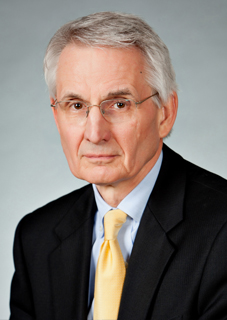
(Feb. 13) – During his four and a half decades as a lawyer, Royal Furgeson has had some great jobs. He spent a quarter a century as a trial attorney and two decades as a federal district court judge. Now, he is dean of the University of North Texas College of Law.

Furgeson is also the unofficial lead cheerleader for the legal profession.

“I’m as excited about the law today as I was 45 years ago,” he says.

Furgeson is a fierce supporter of the American jury system. He publicly praises prosecutors who work tirelessly to uncover political corruption and corporate fraud. He salutes public defenders and criminal defense lawyers for defending those who are the scourge of society.

He promotes corporate lawyers who sacrifice their time and resources to support pro bono services. And he heaps accolades on judges and educators who step away from highly compensated jobs to do their duty for God and country.

For decades, he’s been telling others and now it is time for the legal profession to return the favor.

“Royal is a truly great American,” says Paula Hinton, a partner at Winston & Strawn in Houston and a leader in the Litigation Section of the State Bar of Texas. “Royal is more than a lawyer or judge, he’s a leader of the legal profession.

The oldest of four children, Furgeson grew up in Lubbock. His father, a child of the depression, was the only one of 11 siblings to graduate from college and was elected District Clerk of Lubbock County for 20 years.

Furgeson’s mother did not work outside the home, except for the four years his father was in the Army during World War II, when she took over her husband’s job as District Clerk.

As a boy, Furgeson saw lawyers and judges on a regular basis.

“Lawyers and judges were in and out of our home as I grew up and I really liked being around them,” he says. “I thought that they were interesting and fun. Because my father so admired lawyers, I decided to go to law school.”

jrfurgeson1Furgeson went to college at Texas Tech because of his father’s fondness for the school. Tech did not have a law school at the time, so he went to the University of Texas School of Law.
“State-supported education was incredibly affordable during those years (1960-67),” he says. “I graduated with seven years of higher education in Texas without any debt.”

Furgeson’s father moved from the District Clerk’s Office to the County Auditor’s office and retired in that position after another 20 years.

After graduating in 1967 from UT School of Law, Furgeson served in the U.S. Army for nearly three years, including one year in Vietnam, where he rose to the rank of captain.

“Being in Vietnam was really intense,” he says. “My best friend didn’t come back.”

After one year as an assistant county attorney in Lubbock, Furgeson clerked for U.S. District Judge Halbert Woodward of the Northern District of Texas.

“As a judicial clerk, I watched 30 jury trials and I knew right away that is what I wanted to do,” he says.

In 1970, he joined the El Paso law firm Kemp Smith.

Furgeson’s first jury trial came in early 1971 when he was appointed to represent Fredric Brown, who was charged with robbery. The trial lasted two-and-a-half days.

“My client had a rap sheet that was two arms long,” he says. “The district attorney said I made a real horse race out of the trial, which was a great compliment.”

Furgeson says the jury “did the right thing” by finding Brown guilty and sentencing him to a lengthy prison sentence.

“I loved being in court,” he says. “Because I wanted to get into court as much as possible, I asked my firm if I could handle all criminal appointments coming to lawyers in the firm. They agreed and I ended up handling several hundred appointments over the next several years.

“The overall experience was a reality check for me, because I saw how often the criminal justice system falls disproportionately hard on the poor and disadvantaged,” he says. “That is another reason that I got heavily involved in activities like the United Way, because I understood there was such need for services in El Paso’s poorer communities.”

Furgeson’s first big case came in 1975 when he represented Arlington-based American Excelsior Co., a subsidiary of Texstar, in a lengthy and highly complex antitrust lawsuit brought by International Air Industries and Vebco, a New Mexico-based distributor of heating and air conditioning equipment, including cooler pads.

Vebco sued in El Paso seeking several hundred thousand dollars.

Furgeson handled most of the direct and cross-examination of witnesses during the trial, which ended with a verdict in his client’s favor.

The plaintiffs appealed to the U.S. Court of Appeals for the Fifth Circuit. Furgeson handled the briefing for the three-judge panel, which upheld the lower court’s decision.

Throughout the 1980s and early 1990s, the courtroom victories for Furgeson kept rolling in. He won an $800,000 jury verdict in a breach of contract case and obtained a huge defense win for the FDIC against a bank that had been involved in “some stupid decision-making,” including investing in a fraudulent scheme.

“Truthfully, we were prepared for a big loss, but the jury returned with a defense verdict after five hours of deliberations,” he says. “It taught me that juries can turn on a dime.”

In 1994, President Bill Clinton appointed Furgeson to fill a newly created federal judgeship in the U.S. District Court in the Western Division of Texas.

Furgeson handled hundreds of criminal and civil cases during his two decades on the federal bench, but the case that stands out most is Ernest Ray Willis v. Texas Department of Criminal Justice.

Willis was charged by Pecos County officials in 1987 with setting fire to a house in Iraan, Texas that killed Elizabeth Belue and Gail Allison, who died of smoke inhalation. During the trial, Willis testified that he was sleeping on the couch in the living room when he was awaken by the smell of smoke.

Prosecutors claimed that Willis poured a liquid accelerant on the floor of the house and set it on fire.

The jury found Willis guilty of murder and sentenced him to death. The Texas Court of Criminal Appeals upheld the verdict and the Supreme Court of the United States denied certiorari.

The case finally made it to Judge Furgeson when Willis’ lawyers filed a federal habeas petition.

“I worked on the case for three years,” he says. “I sweated bullets on this one. It was pretty clear to me that justice was not done.”

In a 100-page opinion issued on Aug. 9, 2004, Judge Furgeson found that Texas officials had administered antipsychotic drugs to Willis during the trial without informing the defense counsel or the jury.

During closing arguments and the sentencing phase of the trial, “the prosecution seized upon Willis’s demeanor… asking the jury to draw inferences of guilt and future dangerousness from Willis’s lack of apparent feeling or emotion.”

“Defense counsel never learned that the State was administering high doses of antipsychotic medication to Willis during his incarceration in the Pecos County jail both before and during the trial,” Judge Furgeson wrote.

Judge Furgeson also found that the state’s theory was flawed regarding how the fire started and Willis’s conduct the night of the fire. He also found that prosecutors withheld key evidence from defense lawyers and that Willis received ineffective assistance of counsel.

“I wrote the decision as carefully as anything I have ever done,” he says. “I was worried that the state would try to find some flaw in appealing the opinion to the Fifth Circuit.”

Judge Furgeson’s worries were unfounded. His decision was so solid that prosecutors didn’t even appeal.

In 2013, the judge moved into phase three of his career when he announced his retirement from the federal bench and agreed to be the first dean of the newly created University of North Texas School of Law, which is intended to be a low cost alternative to the traditional legal education.

“This is a whole new challenge, but we can do really great work here and have a major impact on the practice of law and our communities in North Texas,” he says.

Dean Furgeson built UNT Law School from scratch. He hired deans for academics, admissions and students, faculty for the classrooms, librarians and support staff. He promotes the law school, raises funds and recruits students and faculty.

“This law school has the opportunity to do so much good,” he says. “It is a lot of work, but I am loving every minute of it.”

Judge Furgeson says the legal profession has changed significantly during his years as a lawyer.

“We don’t try lawsuits anymore. That is one of the giant changes. We are lesser for it because of it,” he says. “I have great respect for juries and I think it is the best way to resolve disputes. With juries, you get verdicts, appeals and development of the law. The jury is the democracy of our whole judicial system and it starts the development.”

Lawyers have taken good care of the law, but young attorneys face many great challenges, he says. One of them is diversity.

“We are the whitest profession in America,” Judge Furgeson says. “Last census [shows that] 90 percent of lawyers are white – 81 perfect in Texas are white. Forty-four of our population is white. It goes against the American dream. We have a great challenge. We have to figure that out.”

[/fusion_text][/fusion_builder_column][/fusion_builder_row][/fusion_builder_container]

Bill Dawson: ‘Trials are a lot like life itself’ – Updated

[fusion_builder_container hundred_percent=”yes” overflow=”visible”][fusion_builder_row][fusion_builder_column type=”1_4″ last=”no” spacing=”yes” center_content=”no” hide_on_mobile=”no” background_color=”” background_image=”” background_repeat=”no-repeat” background_position=”left top” hover_type=”none” link=”” border_position=”all” border_size=”0px” border_color=”” border_style=”” padding=”” margin_top=”” margin_bottom=”” animation_type=”” animation_direction=”” animation_speed=”0.1″ animation_offset=”” class=”” id=””][fusion_imageframe lightbox=”no” lightbox_image=”” style_type=”none” hover_type=”none” bordercolor=”” bordersize=”0px” borderradius=”0″ stylecolor=”” align=”none” link=”” linktarget=”_self” animation_type=”0″ animation_direction=”down” animation_speed=”0.1″ animation_offset=”” hide_on_mobile=”no” class=”” id=””] [/fusion_imageframe][/fusion_builder_column][fusion_builder_column type=”3_4″ last=”yes” spacing=”yes” center_content=”no” hide_on_mobile=”no” background_color=”” background_image=”” background_repeat=”no-repeat” background_position=”left top” hover_type=”none” link=”” border_position=”all” border_size=”0px” border_color=”” border_style=”” padding=”” margin_top=”” margin_bottom=”” animation_type=”” animation_direction=”” animation_speed=”0.1″ animation_offset=”” class=”” id=””][fusion_text]By Mark Curriden

When the City of Dallas and Southwest Airlines went to federal court in 2016 to banish Delta Airlines from operating five flights a day at Love Field, the Atlanta-based carrier hired Bill Dawson to do battle in hostile territory against the two hometown favorites.

Southwest claimed Delta had the ability to operate as many flights as it wants at Dallas-Fort Worth International Airport while Southwest was limited to the 20 gates at Love Field. Southwest also argued that Delta was technically trespassing.

Dawson, during a heated multiday hearing in federal court in Dallas, argued that Southwest had underutilized the gates at Love Field for several years, which he said violated a key provision in its deal with the City of Dallas.

“It was use it or lose it,” Dawson told U.S. District Judge Ed Kinkeade. “Use it or share it. These gates are not owned by the airlines. They’re owned by Dallas and its citizens.”

Judge Kinkeade followed Dawson’s argument and ruled that removing Delta from Love Field would be an unfair disruption for the public.

“Trials are a lot like life itself,” Dawson says. “There are key moments in each. How we handle those key moments is crucial in the outcome – be it a trial or our careers.”

Dawson, a partner at Gibson, Dunn & Crutcher in Dallas, is celebrating four decades as a trial lawyer. He’s been involved in some of the biggest environmental lawsuits, patent infringement cases, oil and gas disputes, defamation allegations and securities and fraud cases.

He’s represented Energy Future Holdings, Monitronics International, Google and Dr. Phil McGraw. He successfully sued big accounting firms, which were so impressed with his skills that they later hired him to represent them in subsequent trials.

“Of all the great trial lawyers I’ve encountered, Bill is just special,” says Rob Walters, a partner with Dawson at Gibson, Dunn & Crutcher in Dallas. “He themes cases like no one else can. He finds the pony every time.”

Even with all the highly complex and large-dollar cases and trials, Dawson says he cannot forget the first trial he witnessed as a summer associate at Fulbright & Jaworski in Houston in 1974 – a full year before he became a licensed lawyer.

“It was a one-day, $20,000 auto insurance trial,” Dawson says. “Basically, I carried David Beck’s briefcase. We started the trial in the morning, and it was over by late afternoon.”

The plaintiff was a wheelchair-bound woman who suffered a spine injury that made her a paraplegic. She was extremely sympathetic as the victim of an apparent hit-and-run crash.

The issue at trial was whether there was actual contact with the car that ran the plaintiff off the road and down a ravine where she suffered her injuries. No contact, no insurance coverage.

“David called to the witness stand the police officer who investigated the accident and he testified that the plaintiff’s car was destroyed such that there was no way to tell by looking at the wreckage if the hit-and-run driver had actually struck the plaintiff’s car with his car,” Dawson says. “The policeman explained how he concluded no contact.”

The jury found there was no contact and thus ruled in favor of the insurance company, “even though all the sympathy in the world was with the plaintiff,” he says.

“I still can see her sitting in the courtroom that day in her wheelchair,” Dawson says. “When the verdict was announced David looked down and then looked at me with a really sad look on his face and said, ‘let’s get out of here.’ The jury did the right thing, but it was a [depressing] victory for David.”

Dawson says the case left its mark on him two ways. First, he was able to see the great David Beck in action. Beck zeroed in on the key facts in the case and didn’t let the emotions around it divert him from his job.

“But I also witnessed the impact that a case can have on people and lawyers – the human side of it,” he says.

A 1975 graduate of Texas Tech School of Law, Dawson started his legal career as an associate at Carrington Coleman in Dallas working for Jim Coleman.

“Jim was the ultimate mentor because he wasn’t afraid to give us young lawyers a case and tell us to go handle it,” Dawson says. “A lot of the success in my career has been pure luck. I was lucky that a college professor at Texas Tech encouraged me to go to law school. And I was very lucky to get to work for Jim Coleman. Those are two huge career-defining moments for me.”

At a CLE program hosted by the SMU Dedman School of Law in 2016 featuring several of the Lions of the Texas Bar, Dawson said he remembered Coleman calling him into his office only a few months after he had started work at the firm.

“A client was on the phone complaining about the bill,” he says. “I was brand new. Jim put it on the speakerphone for me to hear. It made me very nervous because I did most of the work of which he was complaining about. So, I thought this could be my last day working there.

“At the end of the call, Jim said, ‘Sam, why don’t you just write a check for whatever it is you think it is worth and I will accept it for the work.’ And I thought, this is my last day.’”

Then the client said he wanted to discuss another case.

“Jim said, ‘No sir, there is no other case. If you don’t pay, we don’t work.’ The client agreed to pay the full amount. I thought, I’m still employed.”

Dawson’s first trial as a licensed lawyer came 10 months after he started practicing law. He represented a homebuilder who accused two neighborhood children – ages 11 and 13 – of being part of a group of kids that vandalized his property in The Colony. Dawson sued the parents as well, just for good measure.

The jury trial took place in Denton and lasted a week.

“I remember the 11-year-old, sweet-looking girl wearing a white dress looking like an angel floated into the courtroom,” he says. “I had previously asked the jurors during voir dire if any of them would have a problem awarding damages against two children. The jurors’ hands shot up. It was like they were doing the wave.”

Like the trial he had witnessed two years earlier, Dawson relied heavily on the testimony of a police officer in the case.

The jury returned a verdict for the plaintiff and ordered the children to pay actual and punitive damages. The jury, however, found for the parents.

In 1994, Carrolton, Texas-based FoxMeyer Drug Stores hired Dawson to represent the company in a $500 million financial fraud litigation in state and federal courts consolidated in Pittsburgh that involved a failed drug store chain in the Midwest.

Dawson, using Dr. Phil McGraw as his jury consultant, successfully negotiated a settlement agreement before jury selection was finished. He then joined the trial team for another plaintiff in the same case. The jury found actual fraud.

The most personally difficult case he’s ever handled, according to Dawson, was a $50 million stock option backdating lawsuit in which he represented a close friend, who was the CEO of a company who was under attack by his own business and shareholders.

“The case was very complex, as there were cases filed in state and federal courts in Texas and Delaware,” Dawson says. “I was truly worried and this case took a lot out of me because it involved a friend. Throughout it all, my friend was as cool as a cucumber.”

Dawson’s client was fully vindicated in the civil litigation and the U.S. Securities & Exchange Commission dropped its investigation without bringing charges.

In 2014, Energy Future Holdings General Counsel Stacey Doré turned to Dawson to defend the energy company in a lawsuit brought by the Sierra Club, which alleged that coal-fired plants owned and operated by EFH were in violation of the Clean Air Act.

After an intense bench trial in federal court in Waco, EFH walked away with a take-nothing judgment and the trial team was awarded legal fees.[/fusion_text][/fusion_builder_column][/fusion_builder_row][/fusion_builder_container]

Rod Phelan: A Lawyer for Lawyers

[fusion_builder_container hundred_percent=”yes” overflow=”visible”][fusion_builder_row][fusion_builder_column type=”1_4″ last=”no” spacing=”yes” center_content=”no” hide_on_mobile=”no” background_color=”” background_image=”” background_repeat=”no-repeat” background_position=”left top” hover_type=”none” link=”” border_position=”all” border_size=”0px” border_color=”” border_style=”” padding=”” margin_top=”” margin_bottom=”” animation_type=”” animation_direction=”” animation_speed=”0.1″ animation_offset=”” class=”” id=””][fusion_imageframe lightbox=”no” lightbox_image=”” style_type=”none” hover_type=”none” bordercolor=”” bordersize=”0px” borderradius=”0″ stylecolor=”” align=”none” link=”” linktarget=”_self” animation_type=”0″ animation_direction=”down” animation_speed=”0.1″ animation_offset=”” hide_on_mobile=”no” class=”” id=””] [/fusion_imageframe][/fusion_builder_column][fusion_builder_column type=”3_4″ last=”yes” spacing=”yes” center_content=”no” hide_on_mobile=”no” background_color=”” background_image=”” background_repeat=”no-repeat” background_position=”left top” hover_type=”none” link=”” border_position=”all” border_size=”0px” border_color=”” border_style=”” padding=”” margin_top=”” margin_bottom=”” animation_type=”” animation_direction=”” animation_speed=”0.1″ animation_offset=”” class=”” id=””][fusion_text]By Mark Curriden

(Jan. 25) – Rod Phelan remembers his early days practicing law.

“My billable rate was $35 an hour and I made $1,200 a month,” he says. “I brought my lunch to work just about everyday to save money.”

Carrington Coleman hired Phelan when he graduated from Duke Law School in 1973. He worked with some of Dallas’ best trial lawyers: Jim Coleman, Fletcher Yarborough, Bill Dawson, Dick Sayles, Barbara Lynn, Mark Werbner and George Kryder.

“Jim Coleman put together an amazing group of talented lawyers,” Phelan says. “And Jim encouraged us to be in the courtroom and to try cases and to trust juries.”

More than four decades later, Phelan – now a senior litigation partner in the Dallas office of Baker Botts – has not lost his passion for trials.

“I would rather watch a closing argument than a Cowboys game or Duke basketball,” Phelan said last year when the Dallas Bar Association named him its 2015 Trial Lawyer of the Year.

Born and raised in a small town in southwestern Oklahoma, Phelan grew up driving tractors, fixing fences and herding cattle on his father’s farm.

“Rod has an ability to see things as they are and not be fooled by flamboyance and hype,” John Phelan told the Dallas Bar Association during a ceremony celebrating his older brother’s award in 2015.

John Phelan said Rod’s “willingness to take on responsibility” and his “energy and self-disciplined to see things through and to leave no stone unturned” made him a good person and undoubtedly a great lawyer.

“His absolute honesty in all ways and all things has been his anchor,” he said.

rphelan2Phelan remembers one of his first jury trials, when he represented First National Bank of Bowie, Texas, which was suing an insurance company over a $10,000 dispute.

Midway through the trial, the judge called the lawyers into chambers.

“Mr. Phelan,” the judge started, “you are a bright, young attorney with lots of potential, but if you don’t get control of your faces and if you don’t stop shaking your head in disagreement and stop rolling your eyes, you may never win another case.”

Phelan listened, took notes and became better.

“I’ve learned a lot by losing – more by losing than winning,” Phelan told the Dallas Bar last year. “As Yogi Berra said, ‘You can observe a lot by watching.’”

An early lesson in Phelan’s career came when he had been out of law school for a little more than a year. U.S. District Judge Bob Hill appointed him to represent a Dallas jail inmate in a civil rights lawsuit against the City of Dallas and a handful of city workers.

Phelan’s client robbed a Kroger store, took a hostage and was shot twice in the process. The inmate claimed that after his arrest, Dallas jailers violated his Eighth Amendment right to be free from cruel and unusual punishment.

“They didn’t even give him an aspirin as he lay there, writhing in pain,” Phelan argued.

The good news was that Phelan’s client had collaborating witnesses to his claims. The bad news is that the witnesses were a felony drunken driver, a rapist and the inmate’s “big-haired, very large, stretch-pants-wearing wife.”

“My client was a bad guy, scary – scarred, rough, mean,” Phelan says. “But by the end of the trial, I was drinking the Kool-Aid. I believed.”

Phelan told the jury that his client “grew up on the wrong side of the tracks and did not have the privileges some of us enjoy.

“But he is a human being, and an American, protected by the Constitution we all respect,” he argued.

The jury deliberated for about three hours the first day and went home without delivering a verdict, which Phelan thought was encouraging. Things went south fast the next morning when the jury, after deliberating for an additional five minutes, returned with a verdict against the jail inmate.

“I learned two things,” Phelan says. “First, jurors got another day off and another $20 by delaying their verdict overnight.  Second, don’t drink the Kool-Aid. That second lesson didn’t stick. I still think I’m right just about every time, still expect to win every case. I can’t explain it or help it.”

During the past 42 years, Phelan has been involved in some fascinating cases. He’s represented some of the biggest names in the Dallas legal community against claims of malpractice: Haynes and Boone, Russell Budd and Bickel & Brewer.

Boulle Diamonds hired Phelan in a trademark infringement case. Temple-Inland chose him to represent the company in a securities lawsuit. He defended banking billionaire Andy Beal in the nasty divorce proceedings involving Beal’s wife, Simona. And he successfully represented software maker Lotus Corp. in a $40 million breach of contract trial.

In the twilight of his career, Phelan says the practice of law has changed dramatically in recent years.

“Fees, profits and income are up. Trials are down. Competition for business is up,” he says. “Electronic data is a burden in multiple ways; it may be the single biggest reason trials are down. ‘Work hard and do good work’ is no longer enough. ‘Good work comes to good lawyers’ is no longer the mantra.

“Our profession is now a business,” he says. “We are managed, tracked and measured. That has a lot of effects, some (like profitability) are welcome; others (like internal competition) are not.”

Phelan says he recently saw 91-year-old Kleber Miller, a senior partner in the Fort Worth office of Shannon Gracey, give a closing argument in a mock trial CLE.

“He was magnificent,” Phelan says. “I asked him what he ate and he said, ‘It’s what I drink: single-malt scotch.’ There aren’t going to be more Kleber Millers. Maybe there has always been only one, but as a young lawyer, I watched greatness all the time, such as Jim Coleman, Jack Hauer and Lou Bickel.

“Those guys and others like them tried hundreds of cases,” he says. “Now a big-firm commercial trial lawyer is lucky to have tried 10. The stakes are high, the cost is higher, clients are scared to roll the dice, and more and more cases settle.”

Phelan accepted the DBA’s Trial Lawyer of the Year honor by making a simple statement to the profession he loves.

“When winning and doing right collide, winning has to lose,” he said.[/fusion_text][/fusion_builder_column][/fusion_builder_row][/fusion_builder_container]